



Do retaining walls add value to your home
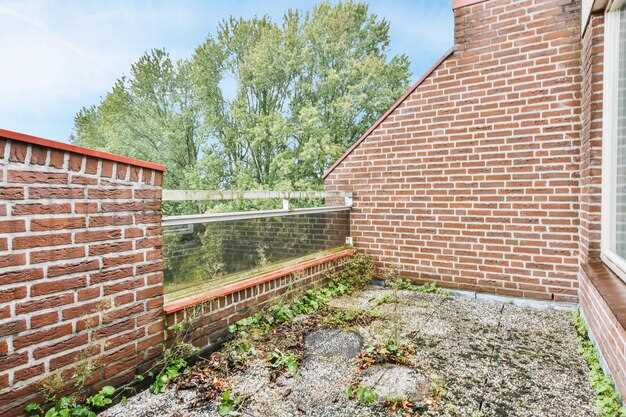
I get asked this a lot in Calgary, usually after someone has lived with a sloped yard for a few winters and they are tired of watching the soil creep, the grass thin out, and the steps feel like they never quite sit right. A grade control structure can make the outside feel finished, and buyers notice that kind of order. They might not say it out loud, but they see a yard that looks usable instead of “we’ll deal with it later.”
From what I’ve seen on job sites since 1990 with Sungreen Landscaping Inc, the real payoff is often practical before it’s financial. If the yard stops washing out, if the patio area stays level, if the water is pushed away from the foundation properly, people relax a bit. Then the outdoor space starts getting used, which is the whole point. We do free consultations and 2D design samples, and half the time the first conversation is just figuring out where the water goes after a big rain or a fast spring melt.
The tricky part is that not every build is equal. You can stack stone and call it a day, sure, but if the base, drainage rock, filter fabric, and tie-back details are wrong, it can lean and crack and suddenly you’re explaining to a potential buyer why the yard has a bulge in it. If you want a quick look at the basics of stone construction, this guide is decent: how to build a rock retaining wall.
Also, there’s a point where “small garden fix” turns into real structure. If it’s over 4 feet, we pull the City of Calgary permit and work with an engineer, because that’s where loads and safety stop being guesswork. We build the whole outdoor package too, patios and walkways, paving stones, decks, pergolas, fences, lighting, irrigation, seasonal maintenance, the lot, and every project comes with a signed warranty and a warranty rep. If you’re trying to figure out what makes sense for your place, call (403) 256-7500 and we’ll talk it through. Well, usually anyway.
Do Retaining Walls Add Value to Your Home
I get asked this a lot in Calgary, especially on sloped lots where the backyard feels like it is trying to slide away every spring. A well-built grade-support structure can make a space usable, keep soil where it belongs, and stop that soggy strip along the patio edge that never dries out. Does that show up as a higher sale price? Sometimes. More often, it shows up as fewer buyer objections, cleaner drainage, and a yard that feels finished instead of “we will deal with it later.”
Where people miss the mark is treating it like a decorative border. If the base prep is weak, or there is no clear path for water to escape, you get the lean and the cracks. Then the “upgrade” starts looking like a future repair bill. Even the little details matter, like how you cap and terminate the end so it does not unravel over time. If you are curious about that finishing piece, this guide explains how to end a block retaining wall without leaving a sketchy open edge that catches frost and movement.
Condition matters more than materials
I have seen old timber systems that are still straight because they were drained properly, and I have seen brand-new segmental block that failed early because someone skipped filter cloth and clear crush. Buyers notice the bad ones right away. They might not know what geogrid is, but they can spot a bowing face and a muddy runout at the bottom. If you already have a wood setup and it is starting to sag or rot at the base, deal with it before it turns into a bigger mess. Here is a straightforward rundown on how to fix a wood retaining wall, and yes, sometimes the honest answer is “patch it for now,” other times it is “stop throwing good money after bad.”
At Sungreen Landscaping Inc (we have been building outdoor spaces since 1990), we usually tie these grade changes into the rest of the yard so it all works together: patio, steps, pavers, drainage, lighting, the whole thing. For anything over 4 feet, we pull the City of Calgary permit and bring in an engineer, because guessing is expensive. You also get a signed warranty and a warranty rep, which sounds boring until you actually need it. If you want us to look at the slope and give a clear plan, we do free consultations and 2D design samples. Call (403) 256-7500 and we can talk through what will make the property easier to live with and easier to sell, most of the time at least.
Property issues a grade support structure can fix to boost buyer appeal
Buyers notice messy grades fast. If the yard is washing out, sliding, or leaving bare patches after every rain, it reads like “future work” and people mentally discount the place. A well-built grade support structure holds soil where it belongs, keeps beds from creeping onto the walk, and stops that slow downhill drift I see a lot on older lots in Calgary. If you are at the “who do I even call” stage, this link comes up often: who builds retaining walls near me in calgary.
Drainage is the other big one, and it is usually tied to pressure behind the structure, not the blocks themselves. I have been on plenty of repair calls where someone stacked product and skipped the gravel, filter fabric, and drain pipe, then wondered why things started leaning after a wet spring. Done right, you get a clean way for water to move through and out, which helps keep patios, steps, and low corners from turning into soggy problem areas. If you want a quick overview of what reputable crews handle on these builds, take a look at retaining wall contractors.
Access on a slope is a quieter win, but buyers feel it the first time they walk the yard. Terraced levels make room for a small sitting area, a safer path, or a spot for a shed that is not half-tilted. We have been building outdoor spaces since 1990, and I can tell you this part is underrated: a slope that is easy to use just shows better during a viewing. You are not asking someone to imagine it, they can stand there and get it.
One more thing, and I see it around foundations a lot: poor grading that pushes runoff toward the house. Sometimes the fix is a regrade, sometimes you need a grade support structure to create a stable edge so the soil does not slump back down after you shape it. If you want to talk through what is going on at your place, we do free consultations and 2D design samples at Sungreen, and you can reach us at (403) 256-7500.
How retaining wall material and design choices influence perceived quality and appraised value
Buyers and appraisers notice the hardscape details, even if they do not have the words for it. A clean, straight run of block or stone, tight joints, consistent colour, and a cap that sits flat reads as “this place has been cared for.” A wavy face, mismatched pieces, stains, or a top course that is starting to rock reads the opposite, and it colours how the whole yard is judged.
Material choice sets the tone right away. Poured concrete can look sharp, but if you see honeycombing, crooked form lines, or patchy sealing, it feels like a shortcut. Segmental concrete block is popular around Calgary because it handles freeze-thaw well, and you can get a really tidy finish, but cheap block with shiny pigment and thin caps can look like a builder-grade compromise. Natural stone can look high-end, no question, yet if the stone is random thickness with sloppy mortar and no proper coping, it starts to look like a weekend project. People think they are shopping for a “look,” but they end up reacting to consistency and craftsmanship. If you are pricing things out, this page helps with a basic baseline: how much are retaining wall blocks.
Design choices matter just as much as the product. A stepped layout that follows grade usually looks intentional, and it avoids that awkward tall face that makes everyone worry about stability. Gentle curves are nice, but only if the radius is smooth and the cuts are clean, otherwise the line gets choppy and your eye goes right to it. I have also seen people squeeze in narrow planters behind the structure that cannot drain properly, then you get staining on the face and frost movement, and suddenly the “pretty” detail becomes the thing that makes it look tired.
The parts you do not see still show up later, which is why appraisers sometimes flag these structures when there are signs of movement. If the base prep is weak, or there is no proper gravel and weeping tile behind it, you get bulging, gaps, and that slight forward lean that never gets better on its own. We have been building outdoor spaces since 1990, and most repair calls we get are not about the finish, they are about water and compaction. Fixing it after the fact is messy and expensive, and the visual clues are hard to hide.
If you want something that reads as “built right,” keep the lines simple, choose a material that fits the house, and do not cheap out on caps, corners, and drainage. At Sungreen we handle the full package from 2D design samples to construction, and for taller structures over 4 feet we pull City of Calgary permits and bring in an engineer, because that is where mistakes get serious. Every completed project comes with a signed warranty and a dedicated warranty rep, and if you want to talk through options on a real site, call (403) 256-7500 and we will set up a free consult. Well, usually anyway.
Questions and answers:
Will a retaining wall actually increase my home’s resale price, or is it just a “nice-to-have”?
A retaining wall can raise resale price when it fixes a real property issue buyers notice right away: a steep yard that’s hard to use, soil sliding toward the house, poor drainage, or unsafe drops near patios and walkways. In those cases, the wall can turn wasted slope into usable space (a level lawn, parking pad, patio area, garden beds) and reduce visible risk, which often supports stronger offers and fewer buyer objections. If the wall is purely decorative and the yard was already functional, the price bump is usually smaller; you may still benefit through better curb appeal and faster sale time, but the financial return depends on neighborhood expectations and the quality of construction. The strongest value impact tends to come from walls that solve drainage/erosion problems and look clean, straight, and well-finished.
I’m worried buyers will see a retaining wall as a future repair. What makes a wall a red flag during a sale?
Buyers get nervous when a wall looks like it’s failing or was built without care. Common warning signs are bulging sections, leaning, cracks that keep widening, blocks separating, missing capstones, rust stains from exposed metal, or water pushing through (wet spots, mineral deposits, muddy runoff). Poor drainage is a big one: if there are no visible weep holes (where appropriate) or no clear path for water to escape, buyers may assume higher risk of movement. Another red flag is height and placement that seem “too big for DIY,” especially close to the house or near a driveway. If you want the wall to support value, keep records (permits if required, contractor invoice, materials used), show that drainage was addressed, and fix small issues before listing—repointing, resetting loose units, cleaning stains, and improving runoff control can change the first impression a lot.
Does the material matter for value—timber vs. concrete block vs. natural stone?
Yes, because buyers read material as a clue about lifespan and maintenance. Timber walls can cost less upfront, but buyers may expect earlier replacement due to rot, warping, or insect damage, especially in wet climates; that can limit how much value they assign. Segmental concrete block walls are common and usually viewed as durable if they’re straight and properly drained; they often strike a good balance between cost and buyer confidence. Natural stone tends to be perceived as premium and can help curb appeal, but only if the workmanship is tidy and stable; a messy stone wall can look like a constant repair project. If resale is a priority, choose a material that matches nearby homes and looks consistent with the rest of the exterior, then prioritize clean lines, proper drainage, and safe edges—buyers respond to what looks solid and low-maintenance.
How can I estimate whether I’ll get my money back on a retaining wall before I build it?
Think in terms of what problem the wall removes and what usable space it creates. First, list what the wall changes: does it stop erosion, prevent water from pooling near the foundation, remove a steep drop that limits the yard, or make room for a patio or play area? Those “before vs. after” differences are what buyers pay for. Next, check your local market: if most comparable homes have flat, usable yards and yours doesn’t, the wall may help you catch up. If retaining walls are rare in your area, you might not see much extra money, but you could still avoid price reductions caused by visible slope or drainage issues. A practical step is to ask a local agent to compare recent sales with similar lots (steep vs. graded) and note days on market. Also price the project realistically: include drainage, engineering/permits if needed, and finishing (caps, steps, railings). A wall that looks incomplete or causes runoff problems can work against you, while a well-finished, stable wall that makes the yard easier to use can support a stronger listing position.


