
How long do retaining walls last
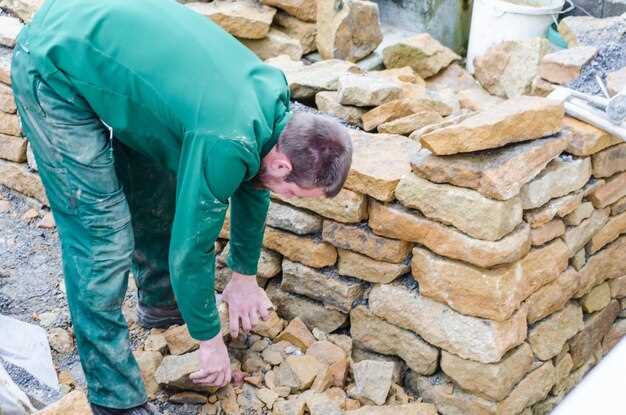
People often ask how sturdy ground-holding features behave over time, and I catch myself thinking about projects I have seen around Calgary. Some of them stay in place for decades, others start to shift much sooner. The difference usually comes from small choices during planning, and you can feel that right away when you walk near one of these structures and notice tiny movements or gaps.
You might have your own questions if you have a slope on your property. I think many homeowners hope their barrier setup will serve them for many years, but they are not always sure what affects that timeline. Weather, soil type, and the way the base was prepared all play a part. I have watched a few installations age under heavy freeze and thaw cycles, and each one reacts a bit differently.
It helps to look at the material you have, how it was placed, and what kind of pressure it handles through the year. Some features settle without trouble, others need small fixes every season. You can usually sense early hints of strain if you walk around the structure and pay attention to uneven surfaces or moisture patterns. These early checks give you a clearer picture of what to expect over time.
Service Span of Ground Support Structures
You may wonder how your barrier system will perform as years pass. I think about this often when I see a project near a steep yard, especially one built as a retaining wall in Calgary. Some structures stay firm for a very long time, and others start to shift earlier than you expect. The reason usually shows up in the first few seasons, and you can sense it if you look at surface changes or small gaps.
A support setup made from concrete blocks can hold its shape for several decades. Timber versions tend to serve a shorter period, sometimes only fifteen to twenty years, depending on moisture and soil pressure. Stone builds often stay steady the longest, although I have seen a few lose footing where drainage was poor. Each material behaves in its own way, and you might notice small clues before anything serious happens.
Your structure will handle stress better if the base is compacted properly and drainage is clear. I have watched a few systems strain under freeze and thaw cycles, and each one responded differently. If you check your structure each spring and fall, you can spot early movement or uneven areas. These checks help you act before any large shift begins.
If you are planning a new build, or thinking of upgrading what you have, it might help to review options through local services such as landscaping and retaining walls. Any choice will last longer with steady care, even small steps like clearing snow away from the base or directing water runoff a few metres farther from the structure. Small habits often make a noticeable difference over time.
Factors That Shape the Service Span of Different Barrier Materials
Your support structure will hold up differently depending on what it is made from. I have seen concrete builds stay steady for many years, while timber versions change sooner, usually because moisture works its way in. Stone setups can stay firm for a very long period, although they still react to soil pressure and poor drainage. Each option behaves in its own way, and you can often sense changes early if you look for small shifts or surface gaps.
If you are planning a project or upgrading an older setup, you can review options through landscaping retaining walls. Material choice matters, but so does the base, the drainage, and the slope you are trying to manage. A clear view of these points helps you predict how your structure might age over time.
| Material Type | Typical Service Span | Main Influences |
|---|---|---|
| Concrete blocks | Several decades | Drainage quality, soil pressure, freeze and thaw cycles |
| Timber builds | About 15 to 20 years | Moisture levels, ground contact, protective treatment |
| Stone assemblies | Often the longest period | Foundation strength, water flow, soil movement |
Your structure will stay steady for a longer period if it has a compacted base and clear paths for water. I think small checks each season help too. You might notice uneven surfaces or slight leaning that suggest added pressure from soil or moisture. These signs show up earlier than many people expect, and paying attention to them can help you act before a shift becomes larger.
Typical Durability Ranges for Timber, Concrete, and Stone Structures
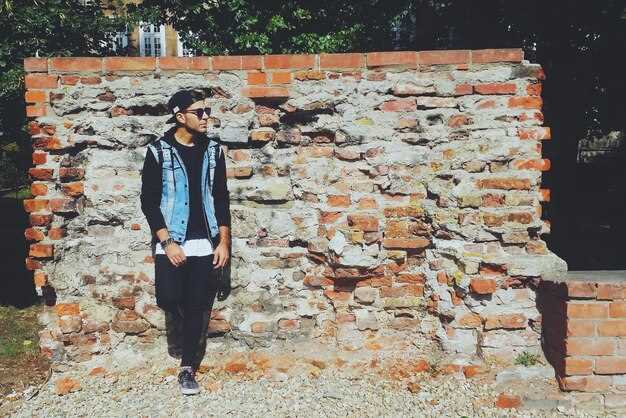
Your structure’s service span depends mainly on the material you choose. I have seen many builds across Calgary, each aging in its own way. Some hold firm for decades, others start to shift earlier, usually from moisture or soil pressure. A quick look at the surface or small gaps often gives you the first hints.
Timber Structures
Wood setups usually serve the shortest period. Many stay solid for about fifteen to twenty years, although heavy moisture can shorten that. I think this happens more often where soil stays wet through spring. If you see early signs of decay, such as dark spots or soft corners, those signals usually grow fast.
Concrete and Stone Structures
Concrete blocks often stay steady for several decades. Their service span depends on drainage and freeze cycles. Stone assemblies can hold even longer, sometimes far beyond what you expect, although they still react to shifting ground. If the base was not compacted enough, you might notice leaning sooner.
If you plan a new build, or want an opinion on your current setup, a retaining wall contractor can help you review what fits your yard and the pressure coming from the slope. A clear plan at the start usually gives your structure the best chance to stay steady for many years.
Warning Signs That a Soil Support Structure Is Near the End of Its Service Span
It can be tricky to tell when a barrier system is starting to fail, but there are a few clear indicators. I have walked past several builds and noticed subtle hints long before major problems appeared. Slight leaning, uneven sections, or gaps between units often show that pressure from the slope or soil is building up.
Moisture is another signal to watch. Dark stains, soft spots, or pooling water at the base can accelerate deterioration. Timber features are especially vulnerable, while concrete and stone can show cracks or small shifts where drainage is blocked.
Other signs include bulging or bowing in areas that previously appeared straight. I have seen these changes develop over a few seasons, sometimes after a harsh winter. Minor movement today can lead to bigger issues later, so noticing early is key.
Regular inspection helps a lot. You can:
- Check for uneven surfaces and leaning sections every spring and fall
- Look for cracks in concrete blocks or stone assemblies
- Inspect timber for soft areas or rot at ground contact
- Ensure water is draining away and not pooling near the base
Addressing these problems early can prevent a sudden collapse and extend the structure’s functional period. Even small maintenance steps often make a noticeable difference over the years.
Maintenance Practices That Support the Durability of Soil Barriers
Keeping your structure stable over time requires some attention. I have walked around several properties in Calgary and noticed that small actions can make a noticeable difference. Even a solid setup can show wear if water pools near the base or debris builds up along the edges.
Routine Checks
- Inspect for leaning or uneven sections every spring and fall
- Look for cracks or small gaps between blocks
- Examine timber elements for soft spots or early rot
- Verify that water is draining away and not collecting near the foundation
Preventive Care
- Remove leaves, dirt, and plants that trap moisture against the structure
- Repair minor cracks or shifts quickly before they grow
- Add gravel or pipes in spots where water tends to gather
- Replace damaged blocks early to avoid stressing surrounding units
Material choice also plays a role. Using quality components and proper installation can reduce future problems. If you are considering new construction or updates, a retaining wall blocks in Calgary expert can help you choose the right materials and outline practical care routines. Regular upkeep keeps your structure solid and reduces the chance of costly repairs later.
Q&A:
What factors determine the service span of a soil support structure?
The durability depends on several elements, including the material used, quality of installation, soil type, and drainage. Concrete and stone setups generally hold for several decades, while timber tends to deteriorate faster under moisture and pressure. Proper base preparation and clear water channels significantly improve stability. Regular inspections also help identify early signs of stress before major repairs are needed.
How can I tell if my barrier is starting to fail?
There are visual clues you can look for. Leaning sections, bulging, gaps between units, or cracks are common warning signs. Timber can show soft spots or rot at ground contact, and even concrete or stone may shift if drainage is blocked. Noticing minor movement early allows you to take corrective measures before the issue worsens.
Does material choice really affect the expected service span?
Yes, the type of material plays a major role. Timber generally serves around 15 to 20 years under normal conditions, while concrete can hold for 30 to 50 years depending on installation and exposure. Stone structures often remain stable the longest, though poor drainage or unstable soil can reduce their performance. Selecting materials suitable for your soil and climate is key.
What maintenance steps can extend the life of a barrier system?
Simple actions can make a big difference. Inspect the structure regularly for uneven areas, cracks, or bulging. Remove debris and vegetation that trap moisture, repair small gaps promptly, and ensure water drains away from the base. Adding gravel or drainage pipes in trouble spots helps prevent water buildup. Consulting a specialist for installation tips and materials, such as retaining wall blocks in Calgary, can also improve longevity.