
How to build a retaining wall
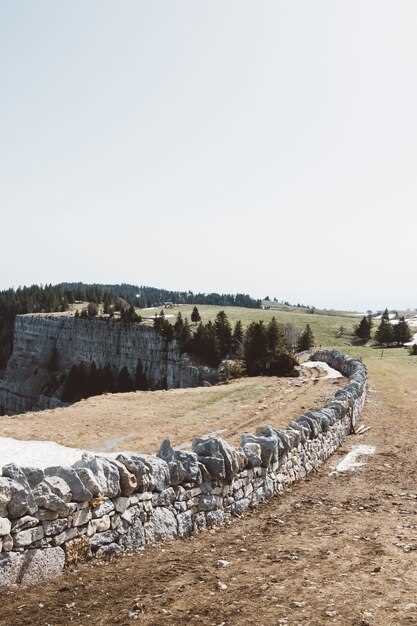
I have seen yards in Calgary shift after long rain, and I think many homeowners feel unsure about dealing with soil that keeps moving. A solid barrier can make the space feel steadier, though the first step often feels unclear.
Shaping a durable soil support structure
You might stand in front of a sloped yard and feel unsure about creating a firm barrier that keeps the ground steady. I have had that same hesitation more than once. The first step often feels like the hardest, though it becomes simpler once you see each task broken into small, clear actions.
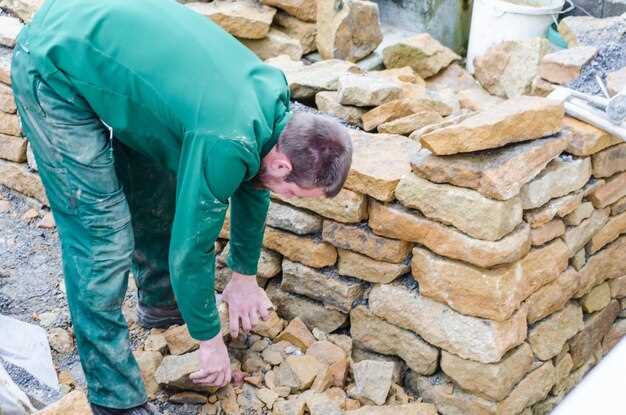
Your work begins with a level trench, steady gravel, and blocks that fit with no gaps. I think many people rush this part and end up adjusting later, so it helps to move slowly at first. Check the grade, check moisture in the soil, and check how the blocks sit against each other. These small checks reduce pressure points and make the whole structure feel stronger.
If you want local guidance or examples of similar projects, you can look at retaining walls near me. Some homeowners like seeing real projects before starting their own, and I understand that. Once the base holds firm, you place each row with care, add gravel behind it, and keep the alignment straight. The structure grows one layer at a time, and the ground starts to feel more controlled.
Selecting Materials and Planning Structure Dimensions
Choosing the right blocks and deciding the size of your soil support structure can feel tricky. I have seen homeowners hesitate over this step, especially when they are unsure which materials will hold up against Calgary’s wet springs. A careful selection now saves adjustments later.
Some points to consider:
- Type of blocks: concrete, natural stone, or timber. Each has weight, durability, and cost differences.
- Height and thickness: higher structures need thicker bases and sometimes stepped layers.
- Drainage: spaces behind the barrier filled with gravel or sand reduce pressure from water.
- Length: longer runs may require small joints or reinforcement for stability.
If you prefer seeing real projects, check retaining walls in Calgary. Some homeowners find it helpful to compare styles, spacing, and sizes. I often suggest taking photos or notes, it helps later when placing each layer. A thoughtful plan now makes the construction process smoother and the structure more reliable.
Preparing the Base and Ensuring Proper Drainage Behind the Barrier
Setting a solid foundation is the step that often determines how long your soil support structure will hold. I usually take my time here, even when it feels tedious. A few inches of compacted gravel, a level trench, and the first row of blocks aligned carefully can make a noticeable difference. Small missteps now tend to become larger problems later.
Leveling and Base Preparation
Check the ground carefully. Remove loose soil, roots, or debris. Compact the trench so the bottom layer sits firmly. You might add a sand layer over gravel to help minor adjustments. I find this small step often prevents uneven settling. It feels slow, but it pays off. If you want extra guidance, a retaining wall contractor can advise on depth and materials.
Creating Drainage Behind the Structure
Water pressure is a frequent issue that undermines stability. Adding drainage prevents trapped moisture from pushing the blocks forward. Use coarse gravel or perforated pipes behind the structure. Even a small gap for water to escape reduces pressure significantly. Some homeowners hire experts for landscaping retaining walls or landscaping and retaining walls to ensure proper flow. I think seeing real examples helps, because each slope behaves slightly differently.
Stacking Blocks, Securing Layers, and Finishing the Surface
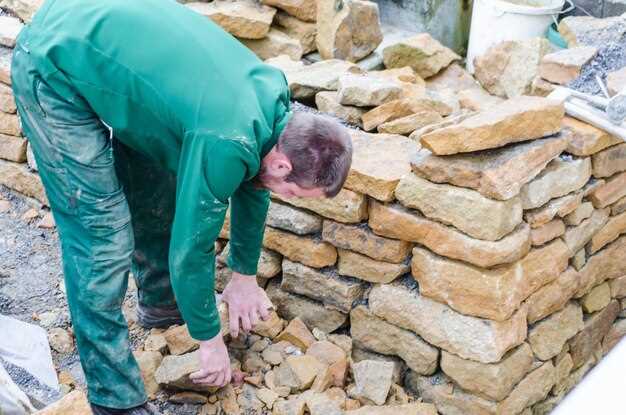
Once the base is set, you can start placing blocks one row at a time. I usually check each block for level and alignment. Sometimes a small adjustment early saves a lot of correction later. You may notice some blocks fit tightly while others need minor shifts; that’s normal and part of the process.
Layer Stability and Joint Alignment
Offset joints slightly to avoid straight seams; it strengthens the structure. Add gravel or compacted sand behind each row for extra support. Check the vertical alignment often, and tap blocks lightly into place when needed. It takes patience, but consistent checks prevent gaps and leaning.
Finishing the Top and Surface Details
The top layer can be capped with flat stones or specialized blocks for a cleaner look. I sometimes leave a small gap at the back for water to escape. Finishing touches include brushing away loose sand, adjusting minor shifts, and ensuring the surface is smooth. These steps may feel minor, but they affect the overall durability and appearance.
Q&A:
What type of materials should I use for a garden barrier?
You can choose from concrete blocks, natural stone, or treated timber. Concrete is durable and holds up well against soil pressure, while natural stone provides a more natural look but may require careful stacking. Timber is easier to work with but can deteriorate faster, especially in wet conditions. The choice depends on your budget, the height of the structure, and the look you want for your outdoor space.
How deep should the first layer of blocks go into the ground?
The bottom layer usually needs to be partially buried to prevent shifting. A common guideline is to sink about one-third of the block height into a compacted gravel base. This depth adds stability, especially for structures taller than two feet. Make sure the trench is level and compacted, otherwise the structure may lean over time.
Do I need to add drainage behind the barrier?
Yes, proper drainage is very important. Water trapped behind the structure increases pressure and can push blocks forward. Use coarse gravel or a perforated pipe to channel water away. Even a small gap for water to escape reduces pressure and extends the life of the structure. Checking the slope and water flow in your yard can guide where the drainage should go.
Can I install a long soil support structure on my own?
For shorter stretches, DIY installation is possible, but longer runs often benefit from professional help. Maintaining consistent alignment, leveling each block, and adding drainage can be tricky over long distances. A retaining wall contractor can ensure the structure is stable and meets local codes.
What are common mistakes that reduce the lifespan of these structures?
Common issues include an uneven base, poor drainage, straight vertical joints, and skipping compaction between layers. Water pressure behind the structure is a frequent problem. Adding gravel behind each row and offsetting the joints can prevent movement. Taking your time with each layer and checking alignment regularly prevents small issues from becoming major problems.
What are the key steps to ensure a stable structure when stacking blocks for a soil support barrier?
First, you need a solid, level base. Excavate a trench and fill it with compacted gravel, then check the alignment carefully. Place the first row of blocks with attention to spacing and level, as mistakes here affect the entire structure. For each additional layer, offset the joints slightly and add gravel or sand behind the blocks to support the pressure from soil. Regularly check vertical alignment and tap blocks into place to prevent leaning. Finally, cap the top layer with flat stones or finishing blocks and leave small gaps for drainage. These steps reduce shifting and make the structure last longer.