
How to build a retaining wall on a slope
Some yards look fine until gravity gets involved. A raised section holds for a while, then soil starts creeping after heavy rain or spring melt. You might notice gaps near garden beds, or paving stones shifting just enough to feel wrong underfoot. It happens slowly, then all at once.
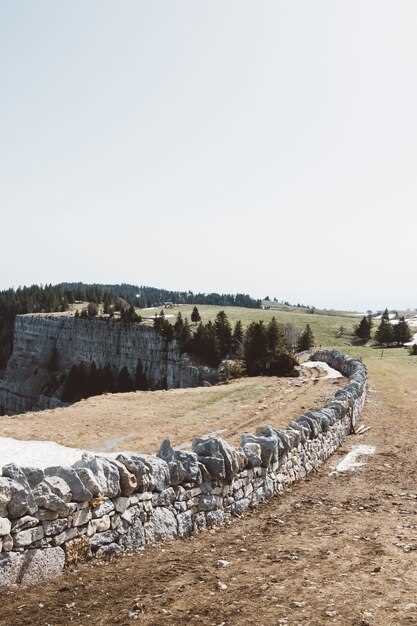
Calgary conditions add pressure. Freeze and thaw cycles repeat for months, sometimes daily. Water has nowhere to go and pushes outward. A short support structure can face several thousand kilograms of force depending on height and soil makeup. I think many people underestimate that load until they see leaning blocks or cracked joints.
You should pause before planning anything permanent. Ground type, grade angle, and runoff patterns shape every choice. Concrete units behave one way. Natural stone behaves another. Timber often seems fine early on, then softens faster than expected. Your site decides more than preference does.
Sungreen Landscaping Inc works on these projects across Calgary, often after a first attempt has failed. Repairs usually cost more than careful preparation at the beginning. If you plan to handle this yourself, measure often and plan drainage early. If you hire help, ask why each step matters. Clear answers tend to lead to stable results.
Assessing grade, soil type, and load capacity before installation
Before placing any structural support on an incline, you need to check the angle carefully. A steep section requires more stabilization than a gentle rise. Grab a level or even a smartphone app to measure the grade. It may seem minor, but a few degrees difference changes material needs and base depth.
Soil matters just as much. Clay, sand, or mixed earth respond differently under pressure. Clay holds water and swells, sand drains fast but shifts under weight, and mixed soil can be unpredictable. I have seen homeowners misjudge this, then face shifting blocks within a year.
Load capacity is another key point. Every cubic metre of saturated soil can weigh around 1,600 kilograms. That adds up fast if the section is long. Consider the total weight of soil, water, and any structures above. Small miscalculations here lead to bigger issues later.
Tip: Check local rules or consult professionals if you are unsure. If you want experienced help, searching for retaining walls near me can connect you with crews familiar with Calgary conditions.
Selecting materials and calculating footing depth for angled terrain
Choosing the right materials matters more than many realize. Concrete blocks, natural stone, and timber all perform differently under pressure. Timber might seem easier to work with, but it softens and rots faster in Calgary’s climate. Concrete units handle water better, but you need to align each course precisely. Stone offers visual appeal, yet irregular shapes require more effort to stabilize.
Footing depth is tied directly to the material and the grade. Uneven ground demands deeper bases on higher sections, sometimes 600 to 900 millimetres below the surface, depending on soil type. You want a solid start; otherwise the structure may lean or settle unevenly.
- Measure the grade accurately with a level or transit tool
- Check soil type to adjust base depth
- Allow extra depth for frost penetration in Calgary
- Match material weight and size to expected load
- Plan drainage behind the structure to reduce pressure
Tip: If you are unsure about selection or footing, consulting experts helps. Searching for retaining walls in Calgary can connect you with crews who know local soil and weather conditions. Their guidance often prevents costly mistakes.
Excavation sequence, base leveling, and drainage placement on angled terrain
Excavating for a support structure on an incline requires a clear sequence. Start from the top, remove soil carefully, and keep measurements consistent. Uneven digging leads to uneven courses, which causes leaning later. Take time with this step, it pays off.
Leveling the base is critical. Use a long level or string lines to ensure each section sits flat. Even minor deviations can affect stability, especially when using retaining wall blocks in Calgary. Compaction of the base material matters too; loose soil will allow settling.
Drainage placement
Water behind the structure adds pressure fast. Installing perforated pipes along the base helps redirect water away. Cover pipes with gravel and connect outlets to safe drainage points. In Calgary, snowmelt can overwhelm poorly planned systems quickly. Check local runoff patterns and adjust placement as needed.
- Excavate top to bottom in measured steps
- Level each course using string lines or laser level
- Compact base soil or gravel thoroughly
- Install perforated drainage pipe along the base
- Cover pipes with coarse gravel to prevent clogging
Tip: If unsure, consulting a retaining wall contractor ensures proper sequence and placement. Professional guidance often prevents uneven settling and water damage. For broader projects, combining with landscaping and retaining walls services can streamline planning and execution.
Backfilling methods, compaction order, and erosion control on angled ground
Once the structural units are set, backfilling needs careful attention. You should place soil or gravel in layers, roughly 150 to 200 millimetres at a time. Compact each layer before adding the next. Loose backfill causes settling and uneven pressure against the structure. I have seen small projects fail when homeowners skipped this step.
Compaction order matters. Start from the base and move upward consistently. Vibrating plate compactors work well on granular soil, while clay may require hand tamping in tight spots. Watch for air pockets; trapped voids can lead to bulges later. If you hesitate on thorough compaction, problems appear quickly during heavy rain.
Surface erosion control helps protect both soil and structure. Gravel layers or geotextile fabric at the top prevent washout. Planting grass or ground cover can also slow water movement, but it must be paired with proper drainage. Without attention here, you end up redoing sections sooner than expected.
- Layer backfill in 150–200 mm increments
- Compact each layer before adding more
- Check for air pockets along the base and corners
- Apply gravel or geotextile fabric to exposed surfaces
- Consider planting vegetation to reduce runoff speed
Patience during this stage pays off. Proper layering and compaction reduce maintenance later and keep your structure stable. If you feel uncertain, consulting Sungreen Landscaping Inc can provide guidance and practical solutions for Calgary conditions.
Q&A:
What type of soil should I check before placing a support structure on a grade?
Soil type affects stability more than many homeowners realize. Clay-heavy soil holds water and swells, which can push against the base, while sandy soil drains quickly but can shift under weight. Mixed soils can be unpredictable. It helps to dig a small test section to see how the soil compacts and to adjust base depth accordingly.
How deep should the footing be for a concrete block installation on uneven terrain?
Footing depth depends on both soil type and the incline angle. In Calgary, a common guideline is between 600 and 900 millimetres below grade for moderate soil. Deeper footing is necessary for clay-heavy areas or higher sections. You want a firm base that prevents settling, so measuring and leveling carefully at each step is important.
What are the best methods for compacting backfill to prevent shifting?
Backfill should be added in layers of 150 to 200 millimetres, with each layer compacted before adding more. Granular soil responds well to a plate compactor, while clay might require hand tamping in tighter spots. Watch for air pockets along the base and corners. Improper compaction often leads to uneven settling or bulging over time.
Is drainage really necessary behind a support structure on a grade?
Yes. Water trapped behind the structure increases lateral pressure and can destabilize the installation. Installing perforated pipes at the base, covered with gravel, helps water exit safely. Observing how runoff behaves on your property and adjusting pipe placement prevents pooling and reduces future maintenance. Even small grades can benefit from proper drainage planning.
Can I use timber for a small retaining installation, or should I stick with concrete?
Timber can work for short sections or low-height installations, but it degrades faster in Calgary’s conditions. Moisture, freeze-thaw cycles, and soil contact can soften the wood within a few years. Concrete blocks are heavier but more durable and provide consistent alignment. Stone is another option, but irregular shapes require more effort to secure and level properly.
What is the proper sequence for placing soil and gravel behind a support structure on a grade?
The key is layering. Add backfill in 150–200 millimetre increments and compact each layer before adding more. Start at the base and work upward. This prevents settling and uneven pressure. For granular soil, a plate compactor works well, while clay may need hand tamping in tight areas. Avoid leaving air pockets, especially near corners or edges, because trapped voids can create bulges later. Taking time with this step usually saves a lot of maintenance later.
How can I control water pressure and surface erosion behind a tiered support installation?
Water management is critical. Install perforated pipes along the base, then cover them with gravel to allow proper drainage. Check where runoff naturally collects and make adjustments to pipe placement. Adding gravel or geotextile fabric at exposed surfaces reduces washout. You can also plant grass or ground cover, but only after confirming that drainage is working correctly. Without these measures, heavy rain or snowmelt can push soil forward, causing uneven settling or damage to the structure.