
How to clean retaining wall blocks
You walk past the stacked stone holding back soil along your yard and something catches your eye. Colour looks uneven. Dark lines show near the base. This happens a lot in Calgary. Snowmelt runs down the face. Dust sticks during dry weeks. After a while, the surface just looks tired.
These stone supports are built for strength. Concrete units and masonry pieces handle pressure well, but their outer faces still react to water and dirt. I think many homeowners assume this kind of buildup signals age or wear. Sometimes it does. Often it is just residue sitting where moisture lingers.
At Sungreen Landscaping Inc, we see this across the city. New installs. Older yards. The same spots show change first. Lower courses. Shaded sections. Areas near downspouts. People often try quick fixes with tools meant for patios or driveways. That choice can leave marks that never fade.
This article speaks directly to you and your property. It focuses on practical surface care for these load bearing stone features. You will learn why marks appear, which methods suit different materials, and what actions cause damage. The aim is simple. Help you keep these structures looking solid without guesswork.
Maintaining Masonry Soil Supports
You look at the stacked concrete units holding back soil and notice surface marks. They can appear after heavy rains or during dry spells when dust settles. In Calgary, exposure to freeze-thaw cycles makes these effects more visible. Small dark streaks or mineral stains often catch your eye first.
Start with gentle rinsing using plain water. A stiff nylon brush removes loose grit without disturbing joints. Work from the top down, a few courses at a time. That way, water runoff does not leave streaks behind. For persistent deposits, a mild soap solution can help, but test one area before doing the entire section.
Check corners, joints, and edges. Debris often collects there and holds moisture longer. A narrow brush or even a gloved hand helps clear these tight spots. Rinse after each pass. Leftover residue can dry quickly and leave marks you do not want.
If the surface shows deeper discoloration or signs of wear, it may be worth professional guidance. Materials differ, and not every method suits every type. You can view examples of retaining wall blocks in Calgary to see what works best in local conditions. At Sungreen Landscaping Inc, we often suggest small steps over heavy pressure. That approach protects the material while restoring its look.
Spotting Stains on Masonry Soil Supports
When you inspect the stacked units holding back soil, the first step is noticing the marks on the surface. Some appear as fine, dusty layers that wipe away easily. Others are darker streaks caused by rain or melting snow. You may also see green or black patches where moisture lingers, hinting at moss or algae growth.
Different materials show stains differently. Concrete often develops white or grey streaks from mineral deposits. Natural stone can absorb moisture, creating uneven colour patches. I think many homeowners misread these signals and try one method for all marks, which rarely works.
Organic Stains
Moss, algae, and lichen usually appear in shaded areas where water collects. These spots feel slightly soft or slippery. Removing accumulated debris from joints and corners slows their growth. In Calgary, damp conditions make these areas prone to recurring issues.
Mineral and Dirt Deposits
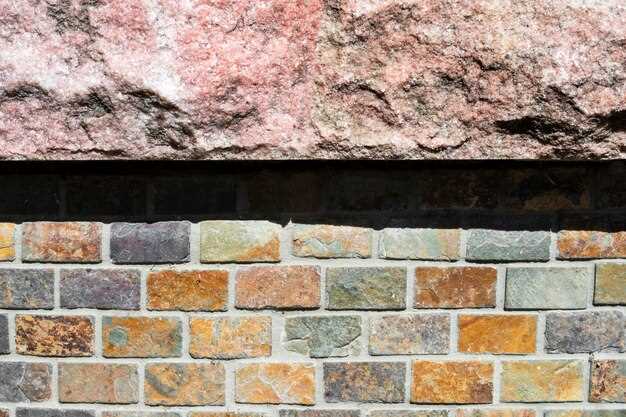
Runoff from soil or hard water can leave brown or white streaks. They often concentrate near the base or joints. Light brushing helps determine whether the residue is loose or embedded. Identifying this early guides your approach and avoids methods that could damage the surface.
Choosing Solutions for Surface Maintenance Based on Material
When you look at stacked concrete or stone used to hold soil, the type of surface affects what you can apply. Some surfaces are smooth and dense, while others are porous and absorb liquids more readily. Picking the right solution matters. You do not want to cause discoloration or damage while addressing marks. For local examples, check retaining wall in Calgary installations to see materials in use.
Observe the finish before applying any product. Concrete often tolerates mild detergents or soap and water. Natural stone might need a neutral pH solution. Testing a small section first avoids surprises. I usually suggest waiting a few minutes to see if the surface reacts.
Adjusting for Porous Surfaces
Porous stone absorbs liquids quickly. A spray bottle or damp cloth is safer than soaking. Light application reduces the risk of staining while still loosening dirt or mineral deposits. You may need repeated passes rather than a single strong attempt.
Non-Porous Material Approaches
Smoother concrete or manufactured stone handles gentle scrubbing better. Nylon brushes or low-pressure water can remove deposits without altering texture. For persistent marks, mild solutions applied gradually usually work best. Observing and adjusting along the way prevents over-treatment and keeps the material looking consistent.
Manual and Low-Pressure Methods for Surface Dirt Removal
Removing debris and dirt from stacked stone or concrete surfaces can be done gently without high-pressure equipment. Using soft brushes, sponges, or even a simple cloth often works for light deposits. This approach prevents surface damage while still addressing visible grime. For wood surfaces, see how to fix a wood retaining wall for related tips on maintenance.
Some practical steps include:
- Rinsing surfaces with a garden hose before scrubbing.
- Applying mild soap or pH-neutral solutions with a sponge.
- Working in small sections to monitor effects and avoid streaks.
- Using nylon brushes for textured surfaces, avoiding wire brushes that could scratch.
- Repeating the process if dirt persists, instead of increasing pressure.
Advantages of Gentle Approaches
Manual and low-pressure methods allow for controlled treatment. You can focus on stubborn marks without risking cracks or erosion on older installations. Observation is key; sometimes, dirt loosens after a few minutes of gentle brushing. Patience often gives better results than rushing with strong sprays.
Timing and Routine
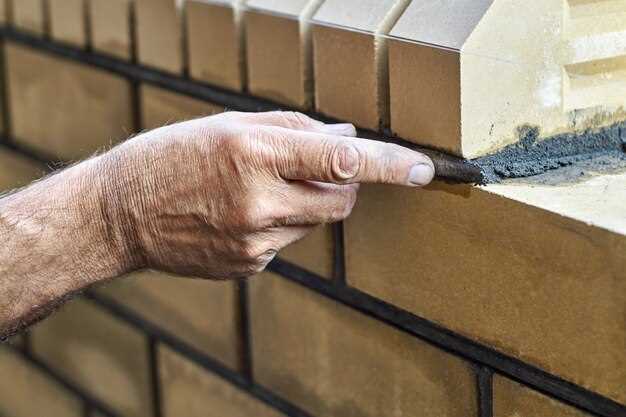
Frequent light maintenance keeps surfaces looking consistent and reduces the need for stronger interventions. Weekly or bi-weekly checks are often enough for residential settings. Small attention over time prevents the accumulation of hard-to-remove deposits.
Preventing Mold and Algae Regrowth After Surface Treatment
Once you have removed dirt and organic growth from stone or concrete structures, the next step is maintaining a clean surface. Regular inspections help you spot early signs of mold or algae. Moisture often collects in shaded areas, so keeping surfaces dry can slow regrowth. You can also adjust drainage nearby to reduce standing water.
Simple preventative measures include:
- Rinsing surfaces occasionally to remove loose debris.
- Applying diluted vinegar or baking soda solutions to areas prone to algae.
- Trimming vegetation that shades surfaces to allow sunlight and airflow.
- Using soft brushes periodically to prevent buildup in joints and seams.
For more comprehensive projects involving both landscaping and retaining walls, consider coordinating maintenance with general yard care. Combining tasks saves time and keeps materials in better condition over the long term. I have found that spacing checks every few weeks works better than a single heavy effort, even though it feels like more work at first. Sometimes, a bit of attention now prevents a bigger headache later.
Q&A:
What is the safest way to remove dirt and moss from stone retaining structures?
For gentle cleaning, start with a soft-bristled brush and water. Avoid harsh chemicals or high-pressure sprays, especially on older stones, as they can erode the surface. Mild detergent solutions can help loosen grime. Work in small sections, rinsing frequently to avoid leaving residue behind. Patience is key; aggressive scrubbing may damage the joints or the surface texture.
Can pressure washing be used on concrete retaining units without causing damage?
Yes, but use low-pressure settings and keep the nozzle at least 12 to 18 inches from the surface. High-pressure jets can chip concrete or remove the protective sealant. It’s helpful to test a small hidden area first. For stubborn stains, applying a safe cleaning solution before pressure washing can reduce the need for strong force.
How do I prevent algae or mold from returning after cleaning my stone retaining structures?
After washing, ensure the surface dries thoroughly. Moisture encourages algae growth. Regularly rinse or lightly brush shaded or damp areas. Trimming nearby plants can improve sunlight and airflow. Occasionally applying a mild vinegar or baking soda solution can help discourage new growth without harming the stone.
Are there specific cleaning products that work best on different types of retaining stones?
Yes, material matters. Concrete units tolerate mild detergents or diluted bleach solutions, while natural stone may need pH-neutral cleaners to avoid discoloration. Avoid acidic products on limestone or sandstone as they can etch the surface. Testing a small section first helps determine whether a product is safe for your specific structure.
Is it necessary to seal retaining masonry after cleaning?
Applying a breathable sealant can help prevent staining and reduce water absorption, but it’s not always required. Some stones perform better unsealed to allow moisture to escape. If you choose to seal, follow manufacturer guidelines and consider the climate. In Calgary, for instance, freeze-thaw cycles can affect sealed surfaces differently than in milder areas.
What is the best way to remove moss and algae from stone retaining structures without causing damage?
For moss and algae, start with a stiff brush and warm water. Avoid using strong chemical cleaners, especially on older units, because they can erode surfaces. You can mix a small amount of mild dish soap in water for better results. Work slowly, section by section, rinsing frequently. For areas that are shaded or damp, repeat the process every few months to keep growth under control. Some homeowners find a vinegar solution works, but test a small patch first to avoid discoloration.
Can I use a pressure washer safely on concrete or brick retaining features?
Yes, but only with low pressure and keeping the nozzle a safe distance from the surface, about 12 to 18 inches. High-pressure streams can chip concrete or strip protective coatings. If you have stubborn dirt or stains, applying a mild cleaning solution before pressure washing can reduce the need for force. Always check the surface after a small test area to make sure it isn’t damaged. For more guidance on maintaining these structures, see retaining wall blocks in Calgary.