



What is the cheapest retaining wall to build?

Property owners around Calgary often ask how to keep soil in place without draining budget. I hear this question a lot at Sungreen Landscaping Inc. Price matters, especially when grade change threatens patios or fences. You want something stable, simple, and fair on cost. I think most people start with numbers, then realize ground conditions steer many choices.
Several materials come up during early chats. Timber boards, concrete blocks, poured mixes, even stone from local yards. Each option carries tradeoffs. Some look rough but save cash. Others feel solid yet raise labour hours. Around Calgary freeze and thaw cycles add another layer. That reality shifts pricing more than many expect.
You might plan a weekend project, then pause. DIY can cut spending, but mistakes cost later. I have seen small failures turn into full tear outs. Height plays a role too. Anything over one metre triggers extra steps, permits sometimes, more material always. Costs climb fast after that point.
This guide talks through budget friendly earth support choices with local context. Sungreen Landscaping Inc works across Calgary yards every season, so advice comes from hands on jobs. Use this info to frame questions, compare quotes, and spot red flags. Your yard deserves support that lasts, without surprise bills.
Lowest cost way to support soil on a slope
Homeowners usually look for a simple approach that keeps soil steady without pushing costs too far. From jobs around Calgary, timber planks often surface as an entry level option. Pressure treated lumber stays common because supply stays steady and labour stays short. For short grade changes, under one metre, this route keeps material bills low.
Concrete block systems come next. Unit price runs higher than wood, yet install time stays reasonable. Blocks stack fast. No mortar on many designs. You pay more upfront, though repairs show up less often. I have seen wood fail after eight or ten winters, while block setups last longer with less upkeep.
Here are price ranges clients usually hear during early talks:
- Treated lumber, roughly $25 to $40 per square foot installed
- Segmented concrete blocks, about $35 to $55 per square foot installed
- Poured concrete, often over $60 per square foot installed
Soil type shifts these numbers. Clay raises labour. Sandy ground moves less. Drainage adds cost too. Skipping drainage saves money at first, then causes problems. If an old structure already leans or cracks, replacement may cost less long term. This guide on how to replace a retaining wall explains when repair stops making sense.
At Sungreen Landscaping Inc, advice stays practical. If budget leads, timber works for small heights. If durability matters more, block systems balance price and lifespan. Your yard sets limits. Your budget sets others. Picking early avoids regret later.
Materials with lowest upfront cost for soil support
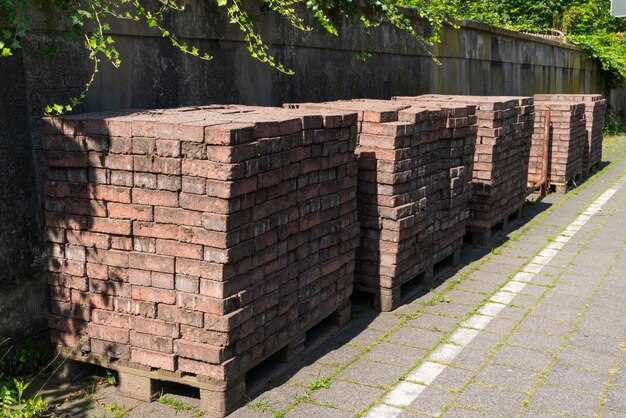
Price often drives early choices for slope support around Calgary yards. Some options stay simple and keep spending down. Others look solid yet raise labour hours fast. From site visits at Sungreen Landscaping Inc, a few materials show up again and again during budget talks.
Treated lumber usually lands at entry level pricing. Boards arrive ready for use. Cutting stays quick. Hardware costs stay low. For short height changes, many owners accept shorter lifespan in exchange for lower cash outlay. I think lumber suits areas with light load and good drainage.
Segmented concrete blocks cost more per unit, yet save time during install. Blocks stack without mortar. Alignment stays forgiving. Labour bills remain predictable. Upfront numbers rise compared to wood, though still sit below poured mixes. Many clients see this as middle ground.
Reused concrete pieces sometimes enter conversation. Broken slabs or curb sections reduce material spend, sometimes near zero. Labour climbs instead. Fit varies. Appearance stays rough. Some yards suit this style, others do not.
Typical starting price ranges seen across Calgary:
Treated lumber: about $25 to $40 per square foot installed.
Segmented blocks: about $35 to $55 per square foot installed.
Poured concrete: often $60 plus per square foot installed.
Your soil type, access, and height limits shape final cost. Saving early helps, though long term upkeep still matters. Picking material with eyes open avoids regret later.
How height and length change total construction price

Size drives cost more than most material choices. I see this often around Calgary yards. A short soil barrier along a garden edge stays manageable. Add height or stretch it across a long slope and numbers climb fast. Labour rises first. Materials follow.
Height adds structure and labour
Anything under one metre usually stays simple. Crews dig shallow. Drainage stays basic. Once height passes that mark, steps multiply. Extra base depth. More backfill. Stronger support behind soil. Permits may enter picture. I think many owners feel surprised here, though rules stay clear.
Rough pricing shifts with height:
Under 1 metre: base cost range.
1 to 1.2 metres: add 20 to 30 percent.
Above 1.2 metres: custom design often required.
Length spreads labour across site
Length works quietly. Ten extra feet adds excavation time, base prep, drainage pipe, and backfill. Multiply that by thirty feet and crew hours stack up. Access matters too. Tight yards slow progress. Open runs move faster.
From work at Sungreen Landscaping Inc, I often suggest breaking long runs into stepped sections. Shorter segments reduce pressure and save on materials. Your yard decides what fits. Your budget reacts to every extra foot.
When DIY soil barriers cost less than hiring crews
Taking on your own project can reduce expenses, but it depends on size, height, and complexity. Small slopes under one metre often suit weekend projects. You control pace, materials, and labour. Contractors bring experience, but hourly rates add up quickly.
Factors that make self-installation cheaper
- Short length or low height, usually under one metre
- Easy access for tools and materials
- Simple materials like treated timber or interlocking blocks
- Limited need for heavy machinery or excavation
Even with DIY, planning matters. Check local regulations before starting. You might need permits for higher or longer structures. This guide on do i need a permit for a retaining wall explains requirements for Calgary yards. Missing a permit can turn a budget project into an expensive correction later.
Costs to expect
Material costs remain similar whether you hire out or do it yourself. Savings come from avoiding labour charges. For timber, you might spend $25 to $40 per square foot installed. DIY could drop that closer to $15 to $25 per square foot, depending on tools and your pace. For block systems, expect slightly higher numbers, but careful stacking keeps you under contractor quotes.
Overall, DIY works best for smaller, manageable slopes. If height exceeds one metre, soil pressure increases, and mistakes get expensive. Plan carefully, follow local rules, and know when to call in professional help for safety and long term stability.
How site conditions affect overall soil support costs
Costs shift depending on your yard’s slope, soil type, and access. Rocky ground slows excavation and raises labour. Clay soil holds water and adds drainage work. Sandy soil moves easily but may need extra base layers. These factors change material needs and crew time. Even small changes in grade can push numbers up or down noticeably.
Access and space considerations
Tight areas increase labour. Long or narrow yards slow machinery and make manual work unavoidable. Open space allows faster placement of materials and easier delivery. You might think delivery fees are minor, but with heavy blocks or timber, they add up. Planning access reduces surprises.
Material handling and maintenance
Some blocks need careful stacking, while timber is more forgiving. Higher end blocks cost more upfront; lower cost pieces may need more cleaning over time. You can check how much are retaining wall blocks to compare options. Proper care extends lifespan. Learning how to clean retaining wall blocks keeps them in good shape without extra expense. Small steps here reduce long term repair costs.
Every site is unique. Slopes, soil, and access interact with your material choice. Planning carefully before installation avoids hidden fees and keeps your budget on track.
Question and answer:
Which materials cost the least for a small slope barrier?
For low-height installations, treated timber often comes at the lowest price. It’s widely available, easy to cut, and quick to install. Segmented concrete blocks cost a bit more but still remain reasonable for short runs. Poured concrete usually has the highest upfront cost and is better suited for taller or longer projects.
How much does height affect total expense?
Height plays a big role in cost. Structures under one metre usually stay affordable and simple to install. Once you exceed that, extra base preparation, drainage, and sometimes permits are required, which can increase costs by 20 to 30 percent or more. It’s easy to underestimate how much taller designs push material and labour needs.
Can DIY installation save a lot of money?
Yes, for smaller and simple slopes, doing it yourself can cut labour costs significantly. Timber or small block systems can be installed over a weekend with basic tools. You still need to follow local rules, though, and sometimes permits apply. For more complex projects or higher structures, hiring professionals is often safer and avoids mistakes that could get expensive.
How do soil conditions affect the overall price?
Clay soils or areas with poor drainage usually raise costs because extra excavation, base material, and drainage systems are required. Rocky ground slows progress and may need specialized tools. Sandy soil is easier to work with but can require more reinforcement to prevent shifting. Even small differences in site conditions can have noticeable effects on total expense.
Are there ways to reduce long-term maintenance costs?
Choosing materials wisely helps. While timber may be cheap upfront, it can rot or fail after several years, leading to replacement costs. Concrete blocks cost more initially but need less maintenance. Learning proper care, like how to clean retaining wall blocks, can extend life. Proper drainage and installation techniques also limit future repairs and keep total costs lower over time.
Can using timber instead of concrete really save a lot of money for a small slope?
Yes, timber often costs less upfront and installs faster for short or low-height slopes. Pressure-treated lumber is easy to cut and assemble with basic tools, which keeps labour minimal if you do it yourself. Concrete blocks or poured concrete tend to have higher material and delivery costs, and installation usually requires more time or equipment. That said, timber may need replacement sooner, so while initial spending is lower, consider long-term upkeep. For small projects, many Calgary homeowners find timber gives a good balance between cost and simplicity.


