
Do concrete bag retaining walls last
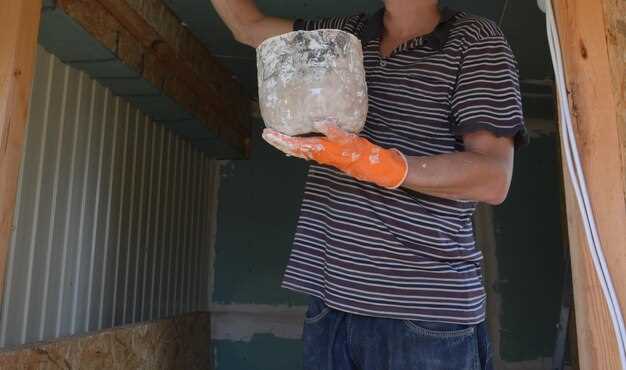
You might have seen soil held back by stacked cement mixes wrapped in paper sacks. They show up around sloped yards, alley edges, and older Calgary homes. At first glance, they seem solid enough. Then winter hits. Freeze and thaw cycles add stress, water builds up, and you start to wonder how well this type of grade support really stands up.
If you are thinking about using this approach on your property, you probably care less about how it looks on day one and more about how it behaves after five or ten years. That is usually the question we hear at Sungreen Landscaping Inc. Will it stay straight. Will it shift. Will repairs show up sooner than expected. I think those concerns make sense, especially with our climate.
We have worked on sites where these stacked systems stayed in place for a long time, fifteen years or more. We have also rebuilt sections that began to lean after two winters. The difference often comes down to base depth, drainage behind the structure, and how much soil pressure sits above it. A slope holding back 600 millimetres of soil behaves very differently from one holding back 1.5 metres.
This article is written for you if you want clear answers before committing time and money. We will walk through how these cement-filled sack builds age in Calgary conditions, what causes early movement, and when another option may serve your yard better. Some details may sound cautious. That is intentional. Yard support systems are not something you want to redo.
Do Concrete Bag Retaining Walls Last Over Time
People often ask how these stacked, cement-filled sack systems hold up after years of use. The short answer is that time treats them differently depending on how they were built and where they sit. In Calgary, freeze and thaw cycles do most of the damage. Water gets in, expands, then pulls material apart slowly. You may not notice anything for a while. Then a small lean shows up.
From what we see at Sungreen Landscaping Inc, many of these soil-holding structures perform reasonably well for light-duty use. A short run holding back 400 to 600 millimetres of earth can stay stable for a decade or more. Taller builds face more pressure. Add poor drainage and the timeline shortens. I have seen movement start within three winters on poorly prepared sites.
What usually affects long term performance
- Depth and compaction of the base layer under the first course
- Presence of gravel and drain tile behind the structure
- Height of soil being supported, especially above one metre
- Exposure to runoff from downspouts or sloped yards
You should also think about maintenance. These builds are often treated as set-and-forget. That assumption causes problems. Small cracks, minor settlement, or blocked drainage can turn into visible failure if ignored. Checking alignment once a year helps. Clearing soil buildup behind the structure helps too.
Typical service ranges we see in Calgary
- Low garden edges under 500 millimetres. Often 10 to 15 years.
- Mid height yard support around 1 metre. Often 5 to 10 years.
- Taller builds over 1.2 metres. Sometimes under 5 years.
If you are deciding whether this approach fits your yard, think about how long you want it to stay put. If the answer is several decades, you may want to look at other construction methods. If the goal is short to mid term stability on a budget, this option can make sense, as long as it is built with care.
Expected Service Life of Cement Filled Sack Structures in Residential Use
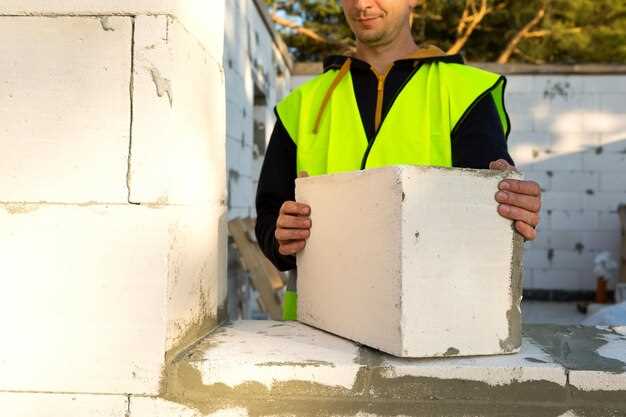
Homeowners often want a straight answer about how long these tiered soil support systems stay reliable. The truth is a bit uneven. In residential yards around Calgary, service life depends on height, drainage, and how the base was prepared. I think many people expect a fixed number. That rarely matches what happens on site.
For smaller builds, the kind used to manage garden edges or short grade changes, performance can stay acceptable for many years. Once height increases, pressure adds up fast. Moisture plays a big role too. Water trapped behind the structure speeds up cracking and movement. That shows up earlier than most people expect.
When clients ask us at Sungreen Landscaping Inc whether this approach fits their plans, we often compare it to other options. Segmental systems, for example, follow different construction rules. If you want a reference point, this guide on how to build a block retaining wall explains how longer term yard support is usually handled.
| Residential Use Case | Typical Height | Observed Service Range |
|---|---|---|
| Garden edging or planter support | 300 to 500 mm | 10 to 15 years |
| Backyard grade control | 600 to 900 mm | 5 to 10 years |
| Slope control near driveways | 1 to 1.2 m | 3 to 7 years |
You should treat these numbers as rough ranges. Some builds exceed them. Others fall short. Poor drainage can cut service time in half. Proper gravel backfill can stretch it out. If your plan involves holding back a lot of soil near a structure or fence, you may want to pause and reassess before choosing this method.
Think about how long you plan to stay in the home and how much movement you are willing to tolerate. For short term yard shaping, this solution can make sense. For long term stability, other construction methods usually age more predictably.
How Drainage and Soil Conditions Influence Wall Longevity
One of the main reasons these stacked cement-filled structures shift over time is water. Moisture trapped behind the soil-holding system adds pressure slowly. In Calgary, snowmelt and heavy spring rains often saturate the backfill. You might not see anything at first, but small movements start within a few seasons if drainage is poor.
Soil type matters a lot too. Clay-heavy ground holds water and expands. Sandy soil drains faster but can erode if it is not supported. A structure built on clay may crack or lean sooner, while one on sand may settle unevenly. I have noticed this on several jobs where the base was not properly prepared. Even small differences change how long the system stays upright.
Proper water management extends stability. Gravel backfill, perforated pipe at the base, and a slight slope away from the structure help. Clearing debris from surface runoff also makes a difference. These small steps often prevent repairs down the line. For more permanent solutions, a retaining wall in Calgary built with controlled drainage usually outperforms stacked sack builds.
Some practical tips include:
- Keep at least 300 millimetres of gravel behind the first row.
- Install a drain pipe that runs to a low point or storm system.
- Ensure surface water from roofs or driveways does not flow into the backfill.
- Check soil moisture periodically and adjust drainage if needed.
Height adds stress too. Short structures may tolerate minor mistakes. Taller systems amplify pressure behind the structure and accelerate movement. You might think stacking higher saves space, but it can reduce service time. Knowing your soil and planning drainage carefully makes a real difference.
Common Failure Points in Stacked Cement Sack Structures
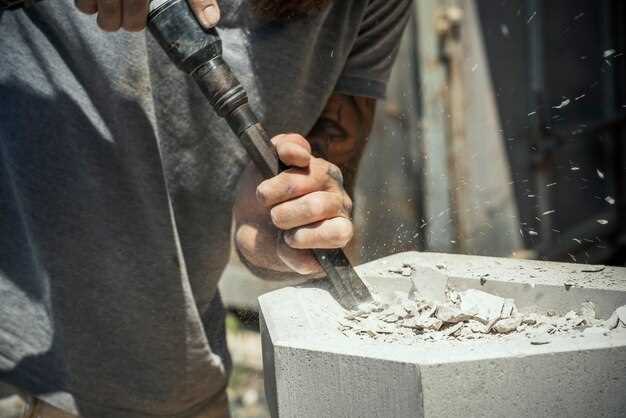
Many issues we see with these soil-holding systems trace back to a few predictable mistakes. Some appear immediately. Others take a few seasons. Understanding these points helps you avoid costly repairs or early replacement. At Sungreen Landscaping Inc, we often advise clients to check for these before starting a project.
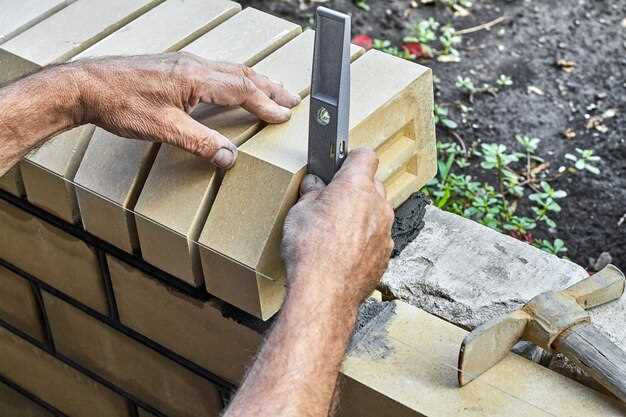
Base preparation is one of the most frequent problems. If the foundation layer is too shallow or not compacted well, the first rows shift. That movement then travels upward. Small shifts at the bottom can lead to leaning or bulging higher up.
Drainage is another key factor. Water trapped behind the structure creates pressure that pushes material forward. Even a short stretch of trapped moisture can cause cracks or gaps. Gravel backfill and properly sloped drain pipes make a difference. Without them, repairs become inevitable. For longer-term projects, a landscaping and retaining walls built with controlled drainage is usually more stable.
Other common failure points include:
- Uneven stacking or misaligned layers
- Excessive height without reinforcement
- Soil pressure from added features like patios or planters
- Root intrusion or nearby tree growth pushing against the structure
Even minor neglect during installation can shorten service time. Checking each row for level and making sure the backfill is consistent pays off. You might think a small gap is harmless. Often it is the first sign that adjustments are needed. Addressing these early keeps the structure holding soil safely for years.
Maintenance Practices That Extend the Lifespan of Stacked Cement Sack Structures
Even well-built soil-holding systems require attention if you want them to remain stable. Ignoring small problems often leads to bigger issues over time. At Sungreen Landscaping Inc, we see that routine checks and simple maintenance can make a noticeable difference in how long these builds stay upright.
Drainage should be your first concern. Clear debris from gravel backfill and make sure any pipes at the base are running freely. Surface water from roofs or driveways should not flow toward the structure. Even small blockages can increase pressure behind the build, causing minor shifts that grow over time.
Inspection is another simple practice. Walk along your system at least once a season. Look for gaps, small tilts, or bulges. Catching movement early lets you adjust or add support before it becomes a serious repair. If you notice larger issues, contacting retaining wall contractors can save both time and money. They can reinforce sections or advise on drainage fixes.
Other practical steps include:
- Check the level of each row and realign any that have shifted slightly
- Keep plants with large root systems away from the rear of the structure
- Add or replace gravel behind the system if you see erosion or settlement
- Monitor moisture levels in the soil during wet seasons
Even small maintenance tasks, done consistently, help your structure handle weight and water pressure longer. Skipping these steps can reduce stability quickly, but paying attention to them keeps your yard safer and minimizes costly repairs.
Q&A:
How long can a stacked cement sack structure remain stable in a backyard?
Its stability depends on several factors including height, soil type, and water management. For smaller structures under 500 millimetres, they may hold soil for 10 to 15 years if built on well-drained ground. Taller installations face more pressure from moisture and soil weight, which can reduce their safe use to 3 to 7 years without proper drainage. Regular inspection and minor adjustments can extend stability.
What role does drainage play in the lifespan of these soil-holding systems?
Drainage is a major factor in preventing movement or cracking. Trapped water behind the structure increases lateral pressure, which pushes the stacked units outward. Installing gravel backfill, perforated pipes at the base, and ensuring surface water flows away from the system helps manage pressure. Even small blockages or poor slope can significantly shorten the effective period these structures remain upright.
Can heavy clay soil affect the performance of a stacked cement sack build?
Yes. Clay soil holds moisture, which expands and puts extra pressure on the structure. This can lead to leaning or minor cracks over a few seasons. Sandy soil, while draining faster, can erode if not contained, causing uneven settling. It is important to check soil composition and adjust backfill or reinforcement accordingly before building.
Are there common mistakes during installation that reduce longevity?
Certain errors often appear in failed systems. A shallow or poorly compacted base allows early shifting. Uneven stacking or misaligned rows increases pressure on weak points. Missing or blocked drainage lets water accumulate, accelerating movement. Paying attention to alignment, base depth, and moisture management from the start helps prevent these issues and maintains stability longer.
What maintenance steps can help extend the service period of these yard structures?
Routine inspection and minor adjustments go a long way. Check for gaps, bulges, or tilting at least once a season. Clear debris from gravel backfill and ensure pipes are free-flowing. Keep roots from large plants away from the rear face. Adding or refreshing gravel, monitoring soil moisture, and correcting small tilts can prevent bigger repairs. Consulting retaining wall contractors may be wise for larger or taller builds.