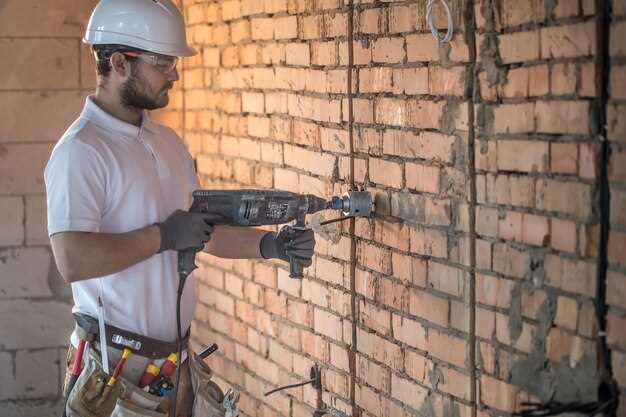

Do homeowners insurance cover retaining wall

If you own a yard with a raised section of soil, you have probably wondered what happens if that structure fails. It is not always obvious where responsibility starts or ends. I have heard neighbours argue about it after a heavy spring thaw. Someone swears their policy helped, someone else says it did not. The truth sits somewhere in between, and it depends on details that many people never read until something cracks or shifts.
In Calgary, freeze and thaw cycles do real damage. Soil moves. Water builds pressure. A masonry support feature can lean or split without much warning. You might look at it one morning and think, that was not there last fall. At that point, you start asking practical questions. You want to know what your property policy actually pays for, and what it quietly excludes.
I work with clients at Sungreen Landscaping Inc, and these questions come up often, usually before or after a rebuild. People ask if poor drainage matters, or if age plays a role. They ask whether damage from nearby trees counts. Sometimes the answers surprise them. Sometimes they do not like them. That is normal. These policies are written in careful language, and small words change the outcome.
This article walks through the real situations people face. Not theory. Not fine print for its own sake. Just the scenarios you are likely to deal with if a soil holding structure on your property starts to fail, and you need to decide what to fix yourself and what might be paid for.
Do Property Policies Pay for Soil Support Structures
People often assume that a policy tied to a house will step in when a ground support structure fails. I think that assumption comes from how these features look permanent. Stone, concrete, block. They feel like part of the house. On paper, they are usually treated differently.
Most property policies separate the building itself from outdoor structures. A soil holding feature often falls into a grey zone. Sometimes it sits close to the house. Sometimes it holds up a driveway or patio. Those details matter more than you might expect. You need to read how your policy defines exterior structures, and what events qualify for payment.
From what I see around Calgary, payment is more likely when damage comes from a sudden event. A vehicle strike is a common example. Severe weather can qualify too, but only in narrow cases. Slow movement of soil usually does not help your claim. Age rarely helps either.
- Damage caused by a car, fallen tree, or vandalism is sometimes accepted
- Failure linked to ground pressure or poor drainage is often declined
- Older masonry or timber structures raise more questions from adjusters
- Proximity to the house can affect how the structure is classified
Clients at Sungreen Landscaping Inc often ask if poor construction from years ago changes the outcome. Usually, yes. Policies expect outdoor support features to be built and maintained properly. If footings are shallow or drainage was skipped, payment becomes unlikely. It feels unfair, but that is how these documents read.
What You Can Check Before a Problem Starts
You do not need to wait for cracks to appear. A few checks now can save stress later. Look at your policy wording. Take photos of the structure. Note its distance from the house. If you are planning a rebuild, keep records. Receipts and drawings help more than people think.
- Review how exterior structures are defined in your policy
- Confirm what types of damage are excluded
- Document upgrades or repairs with photos and invoices
- Ask how drainage issues are treated before construction
If you are unsure, talk to someone who builds these structures for a living. We see what fails and why. That insight does not change policy language, but it helps you make better decisions for your yard and your budget.
Types of Damage That May Be Paid for Under a Property Policy
People usually want a clear list. What kind of damage gets paid for, and what does not. I wish it were simple. From what I have seen, payment is tied to cause, not appearance. A cracked soil support structure can look dramatic, but looks do not matter much on a claim.
Sudden events tend to get more attention. If a car slides on ice and hits the structure, that damage often qualifies. A large tree falling during a storm can also trigger payment. These are events that happen fast and leave obvious marks. Adjusters like clear timelines.
Slow problems are different. Ground pressure, poor drainage, or long term movement usually lead to a refusal. I think this frustrates people the most. They see failure as failure. The policy sees maintenance and soil behaviour. In Calgary, freeze and thaw cycles make this harder to accept.
- Vehicle impact damage is often approved
- Fallen trees during severe weather may qualify
- Vandalism is sometimes accepted with evidence
- Gradual shifting of soil is commonly excluded
- Damage linked to water buildup behind the structure is rarely paid
Construction history also matters. If the structure was built without permits, questions come up fast. I often point people to do i need a permit for a retaining wall because paperwork can affect how damage is reviewed. It does not guarantee payment, but missing approvals can hurt a claim.
Location plays a role too. A structure supporting a driveway near the house may be treated differently than one at the back of the yard. That is where local experience helps. Teams working on retaining walls in Calgary see these distinctions often. The same structure, built a few metres closer or farther, can land in another category.
If you are planning repairs or a rebuild, it helps to look at real examples of a retaining wall in Calgary that meets local standards. Good drainage, proper footings, and clear records do not promise payment later, but they remove common reasons for refusal. That alone can save a lot of back and forth.
When Claims Get Rejected After a Soil Support Structure Fails
A denial usually comes down to cause. That sounds vague, but it is not. If the damage built up over time, the answer is often no. Cracks that slowly widen, blocks that lean year after year, or sections that sink little by little fall into that category. These are seen as maintenance issues, not sudden loss.
I have seen this frustrate people. You notice the damage only when it becomes obvious. The policy looks further back. Adjusters ask how long the problem existed. Photos from past listings or old satellite images sometimes appear. That can feel invasive, but it happens.
Water is another common reason for refusal. Poor drainage behind a soil holding structure creates pressure. Pressure causes movement. Movement leads to failure. From the policy point of view, water management sits with the property owner. In Calgary, snow melt makes this harder to accept. Still, slow saturation rarely qualifies.
- Long term soil movement usually leads to rejection
- Cracking tied to age or wear is often excluded
- Drainage problems are treated as upkeep issues
- Design flaws from the original build raise red flags
- Unapproved construction can stop a claim early
Collapse sounds dramatic, but it does not guarantee payment. If a section gives way after years of leaning, it is still viewed as gradual failure. I think that surprises many people. They expect collapse to mean accident. The paperwork does not always agree.
If you face a denial, ask for the written reason. Read it slowly. Look for words tied to time, maintenance, or ground movement. That language explains the decision. It also helps you plan next steps, whether that means rebuilding properly or adjusting expectations for future issues.
How Location and Build Choices Change Claim Outcomes
Where a soil holding structure sits on your property matters more than most people expect. If it supports the house itself, adjusters often treat it differently than a feature built farther out in the yard. A structure near the foundation can be tied to the main building. One near a fence or garden bed usually is not.
I think this catches people off guard. Two structures can look the same. Same blocks. Same height. The only difference is distance from the house. That distance changes how the loss is classified. It can also change how much paperwork follows.
Construction method also shapes the outcome. Timber, concrete block, and poured concrete each raise different questions. Wood tends to rot over time. That ageing process is well known. If a timber structure fails, the cause often points back to decay. That makes payment less likely. People often ask about repairs, and I point them to how to fix a wood retaining wall so they can see what maintenance looks like.
Block and concrete builds bring their own issues. Footing depth, drainage, and reinforcement are reviewed closely. If those parts were skipped or done poorly, the failure is usually blamed on construction. Policies do not like that. Guides such as how to build a retaining wall show why proper steps matter from the start.
- Structures closer to the house are reviewed differently
- Backyard builds are often treated as separate features
- Wood construction raises decay concerns
- Shallow footings trigger design questions
- Missing drainage leads to quick rejection
If you are planning a new build or replacement, think ahead. Document the process. Keep drawings and receipts. Take photos before soil goes back in place. You might never need them. If something fails years later, you will be glad they exist.
Q&A:
If a soil support structure collapses after a heavy storm, will my house policy help pay for repairs?
It depends on what caused the failure. If the damage came from a sudden event like a fallen tree or a vehicle impact during the storm, payment is sometimes possible. If the collapse traces back to long term ground pressure, poor drainage, or age, the request is usually declined. Adjusters focus on cause, not weather alone.
Does it matter how close the ground support structure is to my house?
Yes, distance matters. Structures built right beside the house are sometimes treated as part of the main building. Ones farther out in the yard are often classified as separate features. That classification affects how a claim is reviewed and how limits apply.
Will cracking caused by freeze and thaw cycles be paid for?
In most cases, no. Freeze and thaw damage is usually viewed as gradual movement of soil. Policies tend to exclude slow changes that happen over time, even if the cracking becomes obvious all at once. Calgary winters make this a common and frustrating situation.
If the structure was built years ago without permits, can that affect a claim?
It can. Lack of permits or missing inspections often raises concerns about how the structure was built. If design or construction issues contributed to the damage, payment becomes unlikely. Paperwork does not guarantee approval, but missing records can work against you.
Does the material used, like wood or concrete block, change how damage is treated?
Yes. Timber structures are often linked to rot and decay, which are commonly excluded. Concrete block or poured concrete builds are reviewed for footing depth and drainage. If those elements were done poorly, the damage is usually blamed on construction rather than an accident.