
Do i need a retaining wall

You stand in your yard after a heavy rain and notice soil sliding a bit. Not dramatic, just enough to catch your eye.
Does Your Property Require Soil Support Structures
Walking around your yard after a heavy rain, you notice soil creeping near your driveway. A few paving stones have shifted. Water collects where it didn’t before. These small changes can feel easy to ignore. I think many Calgary homeowners notice them slowly and hesitate to act.
When the slope rises or drops more than about 60 centimetres, soil pressure increases quickly. Clay soils here hold moisture, swell, and push against anything nearby. Freeze and thaw cycles make it worse. You might see small cracks along a patio edge or uneven settlement near steps. Doors might stick inside the house. These details often surprise people.
Signs that indicate extra ground support might be required
- Soil sliding or washing away after storms
- Concrete pads settling unevenly
- Water pooling close to the foundation
- Fence posts leaning within a few years
Even one of these signs can suggest a problem. Some yards remain stable for years, then shift after one wet season. Others move gradually from the start. Slope angle, fill depth, and drainage paths all influence stability. There is no single formula.
How a built support system can protect your property
A properly installed structure can hold soil in place and guide water away from buildings and walkways. This reduces movement and minimizes long-term repair costs. At Sungreen Landscaping Inc, we see clients who act after noticing minor changes. Others wait until damage appears. Both approaches are common. A site review usually clarifies what makes sense for your property and helps you plan the next steps.
How to Identify Soil Movement and Erosion Risks on a Sloped Yard
Noticing soil shifting in your yard can be subtle at first. After heavy rain or spring melt, you may see small patches of earth sliding or mulch being displaced. Even a few centimetres of movement can signal future problems. Observing these changes early can save you time and money on property repairs.
Clay-rich soils common in Calgary swell and shrink with moisture. Freeze and thaw cycles increase pressure against structures and hard surfaces. You might spot cracks along patios or sidewalks, leaning fence posts, or water pooling near foundations. These are early warning signs that some form of soil support may be appropriate. For guidance, explore landscaping and retaining walls options.
Key Indicators of Soil Instability
| Indicator | Why It Matters |
|---|---|
| Soil slumping or sliding | Shows ground is not holding its position, pressure can increase on structures |
| Cracks in concrete or patios | Uneven settling may cause long-term damage |
| Pooling water near foundations | Increased moisture accelerates soil movement |
| Leaning fence posts | Indicates soil is shifting beneath structures |
Practical Steps for Property Owners

Once you notice these signs, consider inspection and minor repairs early. Adjusting drainage or adding small soil supports can reduce movement. If a wooden support structure exists, learn more about how to fix a wood retaining wall before issues worsen. Regular monitoring of slopes helps you catch changes before they become costly.
When Changes in Ground Level Create Structural Pressure on Buildings or Fences
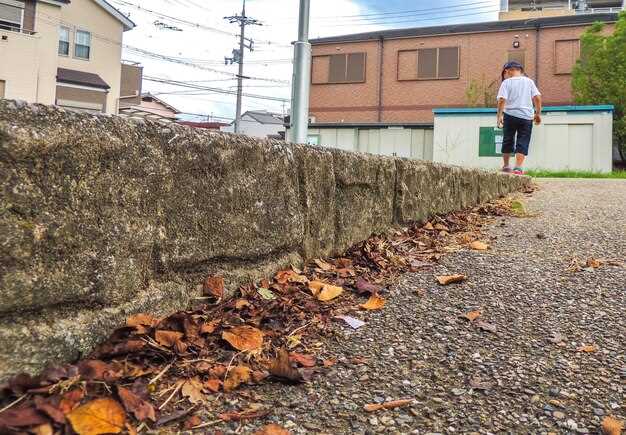
Shifts in soil elevation can put unexpected force on nearby structures. You may notice a fence leaning slightly or a patio slab that seems uneven. These shifts often happen gradually, and small signs can be easy to miss. Over time, the pressure can increase and cause cracks or tilting in walls, posts, or concrete.
Soil type and slope steepness play a major role. Clay-heavy soils in Calgary retain moisture and expand. Freeze and thaw cycles push repeatedly against foundations. Even minor shifts can create stress on fences and structures. Monitoring your yard is important. I think many homeowners underestimate how quickly pressure builds.
Key Indicators of Stress on Your Property
- Fence posts leaning or bending
- Concrete steps or patios cracking or settling unevenly
- Doors or windows sticking inside the house
- Soil or mulch sliding toward structures after heavy rain
Steps to Address Soil Pressure
Once you notice these signs, early intervention helps. Consider adding a soil support system to hold ground in place and redirect water flow. You can explore how to build a block retaining wall as a starting point. Regular inspections and minor adjustments often prevent more serious damage. Keeping an eye on slopes and small shifts can save both effort and costs over time.
Situations Where Drainage Problems Indicate the Need for Soil Support
Persistent water pooling or slow drainage near slopes can signal soil instability. You might notice soggy patches forming after rain, or water collecting near your foundation. These areas can create pressure that shifts soil over time, affecting fences, decks, or paths. Ignoring it often leads to bigger repair costs later.
Certain situations increase the risk. Steep grades or heavy clay soils retain moisture. Downspouts that empty directly onto slopes, or poorly graded driveways, make the soil more prone to movement. Small signs can be subtle, like minor depressions in the ground or slight leaning of posts. It is worth monitoring these areas closely.
Practical steps you can take include:
- Redirecting water flow with proper drainage channels
- Adding soil reinforcement or barriers along vulnerable slopes
- Regular inspection of structures for new cracks or tilting
- Consulting professionals for customized solutions
If soil support is needed, you can explore options with retaining wall contractors. Even minor adjustments can stabilize the area and prevent further pressure on your property.
Local Zoning Rules and Property Conditions That Require a Retaining Structure
Certain properties in Calgary face regulations that affect how you manage soil on slopes. Municipal zoning often dictates how high structures along embankments can be built and what materials are acceptable. Ignoring these rules can lead to fines or even mandatory removal. It is worth checking your local bylaws before any construction.
Property conditions also play a role. Steep inclines, loose soil, or areas prone to heavy runoff increase pressure on structures like fences and patios. You might notice small shifts in ground level or tilting posts, which are early signs that additional support is beneficial.
Practical steps to address these situations include:
- Consulting retaining walls in Calgary specialists to assess stability
- Installing layers of compacted soil or stone to manage pressure
- Redirecting water away from critical areas with channels or drains
- Regular monitoring of structures for movement or cracks
Even modest interventions can protect your property and keep you compliant with zoning requirements. A small investment in professional assessment often saves bigger repairs later.
Q&A:
How can I tell if my property would benefit from a soil support structure?
You can look for visible signs like soil slipping, uneven ground, or cracks in driveways and fences. Water pooling near slopes or heavy runoff after rain can also indicate that extra support could prevent damage. Observing changes over time helps you decide if action is necessary.
What types of materials work best for building a soil containment system?
Concrete blocks, timber, and natural stone are commonly used. Each material has its pros and cons—timber can be quicker to install but may require replacement sooner, while concrete or stone offers durability and stability. Matching the material to your property’s slope and moisture conditions is important for long-term performance.
Can I install a support structure myself or should I hire experts?
Small, low-height structures on gentle slopes might be manageable for someone with basic tools and experience. However, for higher slopes or areas with drainage issues, professional input is safer. Experts can assess soil conditions, recommend the right design, and make sure it meets local regulations. Mistakes can lead to costly repairs later.
Are there local rules that affect where and how I can build a soil containment system?
Yes, municipal zoning laws in Calgary can dictate maximum height, proximity to property lines, and material choices. Some areas may require a permit before any construction. Checking with your local authority before starting helps avoid fines or forced removal of the structure.
How does water drainage influence the stability of a slope?
Poor drainage can saturate soil, increase pressure, and cause erosion or shifting. Directing water away from critical areas with channels, gravel trenches, or drains reduces risk. Sometimes even a small change in runoff patterns can improve stability and reduce stress on fences, patios, or driveways.