



Do you have to glue retaining wall blocks
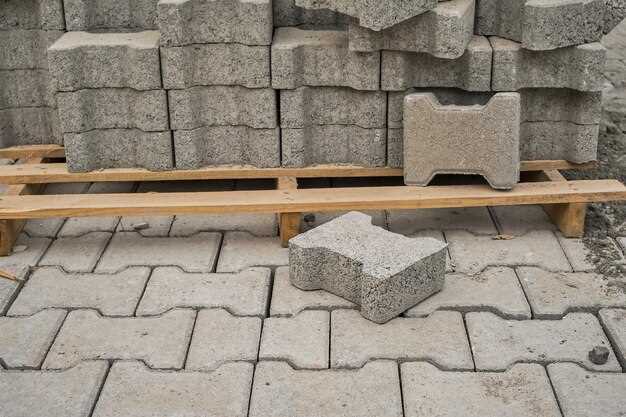
I get this question a lot in Calgary, usually right after someone has watched a weekend video and bought a pallet of segmental units. The short version is: sometimes an adhesive helps, sometimes it just hides a bigger issue. I’ve seen tidy-looking garden edges that stayed put for years with no bonding at all, and I’ve also seen bonded caps slide because the base was soft or the drainage was ignored. If the plan is still fuzzy, a quick chat with a retaining wall contractor can save a lot of rework.
Most failures I’ve been called to fix weren’t caused by skipping construction adhesive. They were caused by water and movement, frost heave, poor compaction, or a backfill that was basically just native clay shoved in and called “good enough.” The bonding question only makes sense after the base, drainage rock, and geogrid (if needed) are sorted out. If the project is a natural rock build instead of modular units, this guide on how to build a stone retaining wall covers the basics we follow on site, and honestly the prep work is where the job is won or lost.
Height and embedment change the whole conversation too. A small garden border can get away with different details than a taller grade-change structure that’s holding back a slope. I’ve watched homeowners set the first course almost on top of grass, then wonder why everything starts to creep forward after the first thaw. Depth matters, and this article on how deep should a retaining wall be lines up with what we’ve learned since 1990 doing full builds at Sungreen, from design through construction, permits and engineering when the structure is over 4 feet.
Then there’s the finishing detail that gets skipped all the time: the end conditions. A straight run can look fine until the last unit, and then it’s a messy cut, a wobbly return, or a cap that never quite sits right. Adhesive gets used like a band-aid there, but a clean termination is mostly planning and layout. If that’s the part causing stress, take a look at how to end a block retaining wall. And if the yard is doing something weird with drainage or grades, call (403) 256-7500. We do free consultations and we back our work with a signed warranty, which is comforting when the ground starts moving in February. Well, usually anyway.
Do You Have to Glue Retaining Wall Blocks?
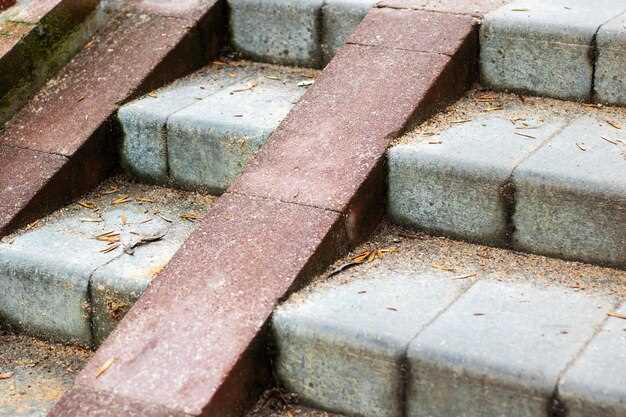
I get this question a lot on Calgary jobs: do the concrete units in a soil-holding tier need adhesive, or can they just stack and behave. Most segmental systems are designed to lock together by weight, setback, and a proper base, so adhesive is not the main thing keeping the face straight. What makes or breaks it is the prep, the drainage stone, and how well everything is compacted.
On shorter garden tiers, adhesive between courses can help stop little shifts, especially near caps where people like to sit, lean, or bump things with a mower. It also helps when cuts are involved around curves and corners, because those partial pieces never feel as solid as full units. If the build is planned right from the start, how to build a retaining wall covers the steps that matter a lot more than a bead of adhesive.
Where I see homeowners get burned is using adhesive as a substitute for base work. If the bottom course is sitting on soft soil, or the gravel pad is too thin, Calgary frost will move it around and the face will start to lean. Adhesive can hold two courses together, sure, but it cannot stop the whole structure from rotating when water and freeze-thaw start pushing.
Another place adhesive gets overused is on tall structures. For anything over four feet, we bring an engineer in and pull City permits, because that is about safety, not just looks. Those builds rely on geogrid tie-backs, drainage, and correct batter, and on those jobs adhesive is usually limited to the cap and a few detail spots. If a property needs something like that, our crew handles the full scope through our retaining walls in Calgary service, and every job leaves with a signed warranty and a warranty rep assigned.
Caps are the one area where I almost always use a concrete adhesive. Wind, vibration, kids climbing, snow shovels, all of it works on the top course. A cap that shifts half an inch turns into a tripping edge, and then it becomes a call-back that nobody wants.
Before buying materials, count properly. Too many projects stall because the numbers were guessed, then colour lots change, or the supplier is out of the matching cap. This guide helps: how to measure a retaining wall h ow many blocks do I need.
And sometimes the honest answer is that a tiered structure is not the best move at all. If drainage is tricky, access is tight, or the slope is mild enough, reshaping the grade with planting and steps can be cleaner and cheaper. There are solid options here: how to landscape a steep slope without retaining walls. If the site is confusing, call Sungreen at (403) 256-7500 and we will do a free consult with a 2D design sample, then figure out what actually fits the yard.
When bonding is required vs optional based on height, setback, and course type
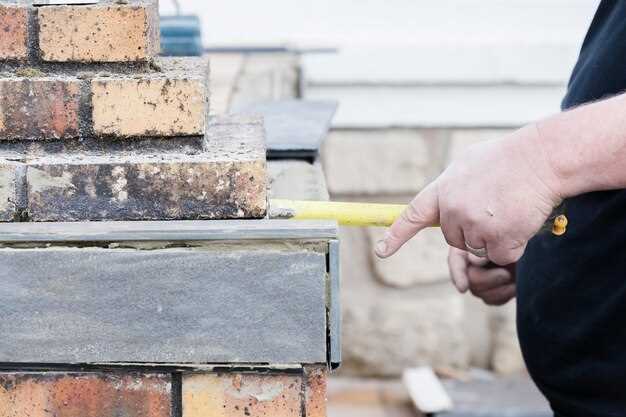
On site in Calgary, I see the same question come up on almost every garden grade change: do the units need an adhesive between courses, or will their own weight and the pin or lip system do the job. The answer is not one-size-fits-all. Height, batter (setback), and which row you’re working on all change the call.
Height is the big one. Low garden edging, say a couple of courses, usually sits fine with friction and a clean, level base, especially if the system is designed to lock together. Once the structure gets taller, the force pushing from the soil rises fast, and the risk isn’t just a little movement, it’s a face that starts to creep forward season by season. For anything pushing toward 4 feet and up, we treat it as engineered territory, we pull City of Calgary permits and bring in an engineer, because that part is not a guess. On those taller builds, bonding the cap row is standard, and sometimes more than just the cap, depending on the spec.
Setback changes how “needy” the face becomes. A good batter, each course stepping back the right amount, lets gravity work for you. If the face is near-vertical because the yard layout forces it, or someone wants a tight line along a driveway, then the connection between units matters more, and bonding becomes less of an “extra” and more of a safety belt, especially near corners and returns.
Here’s how I think about course type, because people mix this up. The base row wants grip from embedment and compaction, not adhesive. That bottom course should be partially buried, dead level, and sitting on proper compacted gravel. If that first row is floating on loose soil and someone tries to “stick” their way out of it, it may look okay for a month, then winter shows up and sorts it out.
Middle rows are mostly about the system’s mechanical lock, plus geogrid and drainage when height demands it. Adhesive in the middle can make sense for special cases, like cutting units to fit a radius where the factory interlock is compromised, or where a battered face transitions into a small seat ledge and the load path changes. Most of the time, at least with decent segmental units, the better fix is correct backfill and compaction behind each lift, not sticky stuff between every row.
Cap rows are where bonding is almost always the right move. Caps don’t always interlock the same way, and they get bumped, sat on, shoveled against, and sometimes plowed with a snowblower that gets a little too close. I’ve reset plenty of caps that were left dry, and nine times out of ten the base and face were fine, it was just the top pieces walking around over a couple freeze-thaw cycles.
- If the structure is short with a proper setback and an interlocking system, bonding is often optional except on the cap.
- If the face is near-vertical, corners are tight, or units are being cut, bonding moves up the priority list.
- If height pushes toward permit and engineering territory, follow the drawings, and expect bonding on the cap and sometimes on specific rows called out by the engineer.
If you’re unsure, that’s exactly the kind of thing we sort out during our free consults and 2D design samples at Sungreen. We’ve been building outdoor spaces since 1990, and I’d rather spend ten minutes on site talking through height, batter, and course layout than see a homeowner spend a weekend stacking units and then watching the face start to creep by next spring. Call (403) 256-7500 if you want us to take a look, and yes, every finished job comes with a signed warranty and a warranty rep assigned to it.
Q&A:
Do I have to glue retaining wall blocks, or can I dry-stack them?
Most segmental retaining wall blocks are made to be dry-stacked. Their weight, the way they interlock, and the setback (the slight backward step each course takes) are what keep the wall stable. Glue is usually optional for the main body of a short wall and is used mainly for the top cap stones. If you’re building a wall that holds back soil, the base prep, proper gravel backfill, and drainage matter far more than adhesive. Glue cannot compensate for a weak base or poor drainage.
Where exactly should adhesive be used—between every row, or only on the cap?
In most installs, adhesive is used only on the cap course. Apply it where the cap meets the top row of blocks, typically in two beads along the contact points, then set the cap and press it into place. You generally do not glue every course because the system is designed to lock in place mechanically, and glued joints can make future repairs harder. If you’re adding a seat wall or a freestanding section above the retaining wall, adhesive is often used between those units because they’re not held by soil pressure the same way.
What kind of glue should I use for retaining wall caps, and will it hold through freeze-thaw?
Use a construction adhesive rated for concrete, masonry, and outdoor exposure. Many people use polyurethane-based construction adhesive or a product sold specifically for retaining wall caps. Look for labeling that mentions exterior use and temperature resistance. For best bonding: brush off dust, keep the surfaces dry, and avoid setting caps when the blocks are wet or muddy. Freeze-thaw performance depends a lot on surface prep and drainage; standing water behind or under caps is what causes movement, not a missing bead of adhesive.
If my wall is about 2–3 feet tall, will gluing the blocks make it safer?
Not by much. A 2–3 ft wall usually relies on: (1) a well-compacted base of crushed stone, (2) the first course being level and partly buried, (3) clean gravel backfill, and (4) a drain path so water doesn’t build pressure. Adhesive between courses adds little structural value compared with those items. What it can help with is minor shifting of the top units or preventing caps from being knocked loose by people, pets, or yard equipment.
My retaining wall blocks are shifting and a few are separating. Can I “fix” it by gluing them now?
Adhesive is rarely a real fix for movement. If blocks are separating, the cause is usually base settlement, poor compaction, missing gravel backfill, or water pressure behind the wall. Gluing over that tends to fail because the wall keeps moving. A better approach is to remove the affected section, rebuild the base, re-level the courses, and correct drainage (gravel + drain outlet). After the wall is stable again, glue the cap stones so the top stays tight and neat.


