
How much does a retaining wall block weigh
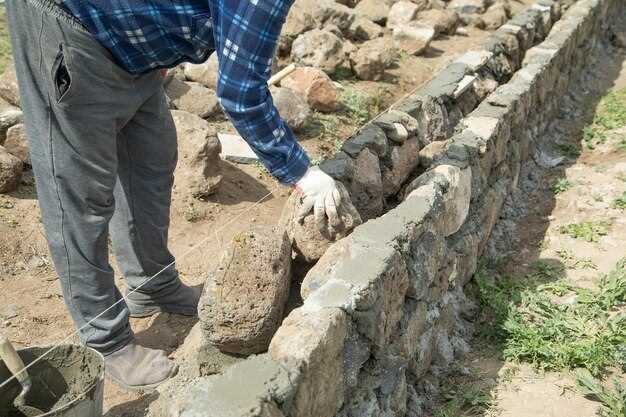
If you plan a yard project with stacked stone units, one question shows up early. You want to know the mass of each piece before anything moves. It sounds basic, yet it shapes nearly every step that follows. From delivery to placement, that number decides what tools you need and how many hands stay on site.
I have seen homeowners in Calgary guess this part and regret it. A pallet arrives, a single unit feels heavier than expected, and progress slows. At Sungreen Landscaping Inc, we run into this during site visits. Clients often ask if one person can handle a segment alone, or if equipment makes more sense. The answer depends on size, material, and layout, not just strength.
Concrete pieces usually sit in a certain range. Smaller units can fall near 25 to 35 kilograms. Larger ones climb past 45 kilograms. Natural stone can vary more than people expect. Two pieces with the same face size may feel very different once lifted. Density plays a role, and so does moisture after rain.
You should think about access as well. A narrow side yard changes the plan. Stairs add time. Cold weather stiffens hands. All of that matters once you start moving heavy units one by one. Getting clear numbers early keeps the project steady, and saves your back, tools, and schedule.
Typical Mass of Modular Units Used for Grade Support Systems
You usually want a clear number before materials arrive on site. The mass of each modular unit affects delivery timing, crew size, and tool choice. At Sungreen Landscaping Inc in Calgary, this question comes up during almost every estimate. People picture a neat stack, then try lifting one sample and pause. That reaction tells a lot.
Most concrete units used for grade support fall into a predictable range. Smaller formats often land between 25 and 35 kilograms each. Medium pieces sit closer to 40 kilograms. Larger formats can reach 45 to 55 kilograms. Once you go beyond that, machine placement becomes the safer option. Natural stone varies more. Two pieces with the same face size may differ by 10 kilograms or more.
Material density plays a role, but shape matters too. Units with lips or cores shift their centre of mass. That makes handling awkward, even if the number seems manageable on paper. This is one reason planning matters when working with landscaping retaining walls around homes with tight access.
You should also factor in site conditions. Wet concrete feels heavier. Cold days slow grip strength. Sloped yards change how you lift and set each piece. These details sound minor, yet they add up over a full build.
- 25 to 35 kilograms, small concrete units, one person lift with care
- 40 to 45 kilograms, mid size units, two people recommended
- 50 kilograms and up, large units, mechanical placement advised
If you plan a DIY build, reviewing guides like how to build a block retaining wall helps set realistic expectations. Clear numbers reduce guesswork, and your body will thank you after day one.
Typical Mass Ranges for Popular Segment Sizes and Profiles

Unit size and shape change handling more than most people expect. You look at two pieces side by side, they seem similar, then one feels awkward in your hands. That usually comes from depth, lips, or hollow cores. These details shift balance, and your arms notice right away.
Smaller concrete segments used for low garden edges often land between 25 and 35 kilograms each. Many people can lift one, though placement still takes care. Mid sized formats used for taller grade support often sit around 40 to 45 kilograms. At that point, two people make sense. Larger pieces, especially those with deeper profiles, can pass 50 kilograms. That is where equipment saves time and backs.
Shape matters as much as size. Straight faced units feel predictable. Tapered or curved pieces feel heavier than the number suggests. Corner units add another layer of complexity. They rarely share the same mass as standard pieces, even from the same product line.
Natural stone varies more than concrete. A similar footprint can hide a 10 kilogram difference. Moisture adds another variable, especially after rain or snowmelt. These swings explain why experienced retaining wall contractors plan lifting and staging before the first delivery shows up.
You should check product specs early. Match them against site access, crew size, and placement method. That small step avoids surprises once pallets sit on your driveway and work begins.
Material Choice and Its Impact on Unit Mass
Material choice shifts handling more than size alone. You may expect similar numbers across products, yet the difference shows up fast once lifting begins. At Sungreen Landscaping Inc, this is a common pause point during planning. Clients often change direction once they feel a sample in hand.
Poured concrete units sit on the heavier side. Density stays consistent, which helps with planning. A standard concrete piece often falls between 30 and 50 kilograms, depending on profile depth and internal voids. Hollow cores reduce mass slightly, though balance can feel awkward during placement.
Natural stone behaves less predictably. Limestone, granite, and sandstone all vary. A stone piece with the same face size as concrete can swing by 10 kilograms either way. Moisture makes a difference too. After rain, stone absorbs water and gains noticeable heft.
Segment systems made from lightweight composite materials appear easier at first. They lift faster and move quicker across a site. Still, lighter units may require extra reinforcement below grade. That tradeoff affects design, cost, and sometimes permitting. Before committing, it helps to review guidance like do i need a permit for a retaining wall, since material choice can influence approval rules.
You should think ahead about access, crew size, and placement method. Material sets the tone for the entire build, and small assumptions early can ripple through the schedule.
Why Unit Mass Shapes Delivery, Lifting, and Build Scheduling
The mass of each unit sets limits before work even starts. Trucks have payload caps. Driveways crack under excess load. In Calgary, tight access points show up often. You may have space on paper, then a truck arrives and reality steps in. This is where early planning saves time.
Handling on site raises another set of issues. Lighter pieces move faster, though they still demand care. Heavier ones slow the pace. Crews rotate tasks more often. I have seen projects pause for a day simply because the right lifting gear was not booked. That pause costs more than expected.
Transport and Site Access
Delivery planning starts with numbers. A pallet filled with heavy units limits route options and parking spots. Alley access narrows choices. Sloped driveways add risk. These details shape staging areas and unloading order, especially on residential lots tied to landscaping and retaining walls.
Installation Pace and Crew Safety
During placement, mass affects rhythm. Units over 45 kilograms often call for two people or machinery. Fatigue builds fast when this gets ignored. Short lifts repeated all day strain shoulders and backs. Smart planning spaces heavy placement across the schedule, not all at once.
You should match unit mass with access, crew size, and equipment from the start. That alignment keeps the build steady and avoids last minute changes that ripple through the job.
Questions and Answers:
What is the typical weight range for standard concrete segments used in garden retaining structures?
Most standard concrete segments for small to mid-height structures usually fall between 25 and 45 kilograms. Smaller pieces near the base are lighter, often around 25 to 30 kilograms, while mid-sized units for taller sections can reach 40 to 45 kilograms. Larger or deeper profiles may exceed 50 kilograms, making mechanical assistance or two-person lifts advisable.
Do natural stone units differ significantly in mass compared to concrete pieces?
Yes, natural stone varies more than manufactured concrete. A stone unit with the same face area as a concrete piece can differ by 10 kilograms or more. Factors like density, moisture absorption, and uneven shapes contribute to this difference. It’s a good idea to handle a sample before planning lifting methods.
How should I plan delivery if the segments are heavy?
Delivery depends on unit mass and pallet load. Trucks have maximum capacities, and narrow driveways or slopes can limit access. It’s wise to arrange staging areas close to the build site and confirm that lifting equipment or sufficient crew is available before the first pallet arrives.
Can one person safely lift mid-sized units, or is extra help needed?
Mid-sized concrete segments around 40 to 45 kilograms can sometimes be handled by a single strong adult, but placement will be slower and more tiring. Two-person lifts or simple mechanical aids reduce strain and speed up installation. Safety should be the priority over rushing to move pieces quickly.
Does the choice of material affect installation planning and permits?
Yes, heavier materials may require additional equipment, which can influence the installation schedule. Certain materials, like taller natural stone assemblies, could also trigger local permit requirements. Checking guidelines such as do i need a permit for a retaining wall before starting helps avoid delays and ensures compliance with local rules.