
How to landscape a steep slope without retaining walls
Some residential yards in Calgary feel hard to read at first glance. The ground drops fast, sometimes right after the back door. You might stand there and pause, unsure where to place plants or even where to walk. I have done that myself. It looks simple from the street, then the reality hits once you step into the yard.
Angled terrain brings real limits. Soil shifts during spring melt. Dry spells bake exposed areas by July. Snowmelt can carve lines through bare ground in a single season. If you rush decisions here, you usually pay for it later. I think many homeowners sense this and hesitate, which is fair.
You do have options that rely more on grading, plant selection, and water flow rather than heavy structures. These methods ask for patience. They also ask you to accept that change happens slowly. Over time, roots knit soil together. Surfaces soften. The area becomes easier to use and easier to maintain.
This article speaks directly to you as a homeowner dealing with a sharply angled yard. The focus stays practical. What holds soil in place. What survives Calgary winters. What reduces runoff after a hard rain. Some ideas may feel cautious. Others may feel familiar. That mix is normal. Yard planning often works that way.
Working With Angled Ground Using Natural Support Methods
Yards built on sharp grade changes behave differently than flat lots. Water moves faster. Soil shifts sooner. If you plant carelessly, roots wash out after the first hard rain. You see this often in Calgary neighbourhoods built along ridgelines. I have walked many of these sites and the pattern repeats. The ground tells you what it will tolerate.
The first step is shaping the surface so it slows water instead of guiding it downhill. Shallow steps cut into the earth can break long runs. These do not need stone barriers. Packed soil mixed with gravel often holds better than expected. I think people underestimate how much control simple grading gives them.
Plant Choices That Hold Ground in Place
Root structure matters more than appearance here. Choose plants that spread sideways and dig in. Creeping juniper, bearberry, and certain fescue grasses perform well in southern Alberta. Spacing matters. Too far apart and soil shows through. Too close and roots compete. A spacing of 30 to 45 centimetres usually works for ground cover.
Mulch helps during the first two seasons. Shredded bark stays put better than wood chips. Avoid smooth gravel on sharp angles. It travels fast and ends up at the bottom.
Knowing When Structure Makes Sense
Some sites still need built support. If the grade exceeds a 3 to 1 ratio, natural methods struggle. This is where clients often ask about options like retaining wall blocks in Calgary. Even if you plan to rely mostly on plants and soil shaping, it helps to know where that line sits.
At Sungreen Landscaping Inc, we see both sides. Sometimes light grading and planting solve the problem. Other times, a small built section prevents years of repair. Your yard decides. You just need to read it carefully.
Evaluating Grade Angle and Soil Stability Before Any Work
Before you touch the ground, you need to understand what you are standing on. An angled yard can look manageable from a distance and behave very differently under pressure. Rain, snowmelt, foot traffic. These forces expose weak spots fast. I think this step gets skipped too often, mostly because it feels slow.
Begin by measuring the rise over run. A simple tape measure and level will do. If the ground drops more than one metre over three metres of distance, soil movement becomes more likely. That ratio matters. It helps you decide what methods stay realistic and which ones will fail early.
Reading Soil Behaviour on Site
Dig a few small test holes, about 30 centimetres deep. Check texture by hand. Clay holds shape and drains poorly. Sandy soil drains fast and shifts easily. Loam sits between the two. In Calgary, many yards contain layered fill from construction. That mix can slide once water gets in.
Look for signs of past movement. Exposed roots. Cracks across the surface. Small ridges near the bottom edge. These clues tell you the ground already moves. If you ignore them, repairs follow. Usually sooner than expected.
Factoring Water Flow and Seasonal Change
Water direction shapes everything. Watch the yard during spring melt or after a heavy rain. Note where runoff speeds up and where it slows. Redirecting flow often matters more than adding plants. A shallow swale cut across the grade can reduce soil loss right away.
Freeze and thaw cycles also matter here. Calgary averages more than 100 freeze days per year. That movement loosens soil over time. If the ground feels firm in August, test again in April. Your plan should match the worst conditions, not the best.
Once you understand angle, soil type, and water behaviour, decisions become clearer. You stop guessing. You work with what the site allows. That mindset saves effort later. It usually saves money too.
Selecting Ground Covers and Plants That Hold Soil on Sharp Grades
Plant choice carries more weight on angled ground than on level yards. Roots act like stitching. If they spread wide and dig deep, soil stays where you place it. If they grow shallow or upright, runoff pulls earth away fast. You see the difference after one season. Sometimes sooner.
For Calgary conditions, ground covers usually outperform single shrubs. Creeping juniper, kinnikinnick, and cotoneaster spread laterally and tolerate cold snaps. Native grasses such as blue grama also help, though they take longer to fill in. You need patience here. I think many people underestimate that timeline.
Spacing matters more than plant size at install. Place smaller plants closer together so roots overlap within the first year. Gaps invite erosion. Mulch helps early on, but keep it thin. Heavy layers slide during spring melt. I have watched it happen more than once.
There are cases where planting alone does not solve the problem. If grade angle stays aggressive or soil stays loose, clients often start comparing options. Some read guides like how do you build a brick retaining wall or check pricing details such as how much are retaining wall blocks. That research helps clarify limits, even if the goal stays plant based.
The best results usually mix methods. Plants anchor the surface. Minor grading slows water. Sometimes a small structural section supports the rest. You do not need to force one answer across the entire yard. Let the ground decide. Your job is to listen and adjust.
Shaping Terraces and Contours Using Natural Grading Methods
When dealing with sharply angled yards, creating small terraces can slow water and stabilize soil. You do not need large stone constructions for every section. Subtle grading combined with strategic planting often works. I have noticed clients underestimating how much difference even shallow steps make.
Start by mapping existing grade changes. Use a simple level or a string line. Identify areas where water accelerates and where erosion begins. Even minor adjustments can redirect runoff and prevent soil movement. Sometimes just redistributing a few cubic metres of soil makes the site much easier to maintain.
Implementing Shallow Terraces
Shallow terraces serve two purposes. First, they reduce the force of water running downhill. Second, they give plants a more stable environment to root. Consider small retaining edges made of timber or compacted soil ridges. If your plan eventually includes landscaping retaining walls, you can integrate these natural terraces as guides.
Spacing matters. Too many short terraces can be difficult to maintain. Too few, and erosion continues. Aim for a gentle rhythm. Even one metre in height per tier often works for most yards.
Choosing Contour Shapes
Contours do not have to be uniform. Slightly curved lines slow water better than straight runs. Check flow paths during rainfall or snowmelt. Adjust ridges so water pools briefly before moving on. This keeps soil in place and nourishes plants. Remember, the goal is control, not perfection.
| Contour Type | Use Case | Notes |
|---|---|---|
| Gentle Arc | Long runs of yard | Slows water, easy to mow |
| Short Zigzag | Near entrances or patios | Breaks flow, reduces soil loss |
| Step-Like | Moderate grade areas | Supports plants, can guide future retaining installations |
Mixing terrace height, contour shape, and plant placement makes a noticeable difference. It may take observation over a few seasons. That learning period often prevents mistakes that cost time and money later.
Managing Water Runoff and Drainage to Prevent Soil Washout
Water control is one of the most important parts of working with sharply angled yards. Rain and melting snow can quickly move loose soil. Without attention, plants struggle and erosion worsens. You can take small steps that make a noticeable difference.
Observing Natural Flow Paths
Before making changes, walk your yard during or after a rainfall. Note where water gathers and where it accelerates. Pay attention to:
- Channels forming along bare soil
- Pooling near patios or walkways
- Areas where mulch or topsoil has shifted
Even minor adjustments can redirect water safely. Gentle swales or shallow ridges slow runoff and keep soil in place. Over time, these methods reduce maintenance needs and protect plants.
Implementing Drainage Strategies
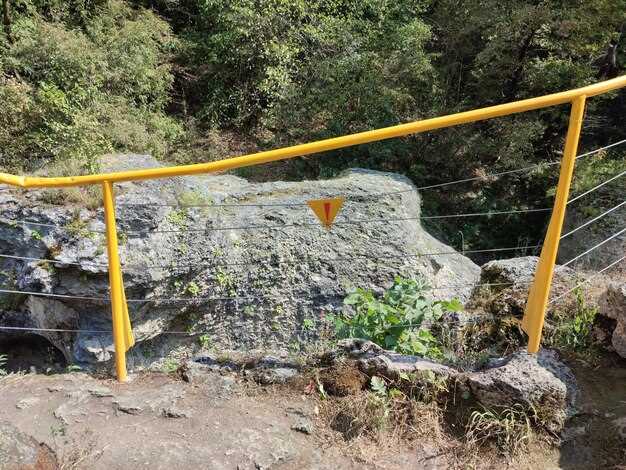
Consider practical steps like:
- Installing small, gravel-filled trenches to guide water away from vulnerable areas
- Adding mulch or organic matter to retain moisture and reduce soil movement
- Using dense ground covers to anchor soil and absorb rainfall
- Directing excess water to a safe drainage area, like a dry pond or garden bed
Some yards may still require partial built support for extreme water flow. Checking local regulations is wise. You can learn more at do i need a permit for a retaining wall. Even if you plan to avoid heavy construction, understanding the limits helps prevent costly mistakes later.
Combining observation, simple grading, and targeted planting often keeps soil secure. Watch your yard over different seasons. Adjust as needed. This approach usually lasts longer than aggressive shortcuts.
Questions and answers
What types of plants hold soil best on sharply angled yards?
For grounds with significant grade, ground covers with extensive root systems work best. Creeping juniper, kinnikinnick, cotoneaster, and certain native grasses like blue grama spread laterally and anchor soil. These plants reduce erosion, tolerate Calgary winters, and fill in quickly if spaced properly. Mulch can help at first, but avoid thick layers that wash away with runoff.
Can natural terraces replace built supports entirely?
It depends on the grade and soil type. Shallow terraces cut into the earth slow water and give plants a more stable environment. In moderate angles, this approach works well for controlling erosion. In more aggressive grades, natural terraces alone may not suffice. Some homeowners eventually add small structures or explore landscaping retaining walls to protect certain sections.
What steps prevent soil washout during heavy rainfall?
Observe water flow across your yard after a rain. Identify channels where soil moves quickly. Then, implement small swales, shallow ridges, or gravel-filled trenches to redirect runoff. Dense ground covers and thin mulch layers reduce movement. Directing water toward a safe drainage area, like a garden bed or dry pond, also helps. This combination stabilizes soil without major construction.
How can I tell if my yard needs extra structural support?
Check the rise over run. If the ground drops more than one metre for every three metres horizontally, erosion risk increases. Look for exposed roots, surface cracks, or soil that moves easily after rain. These signs indicate natural methods may struggle. In such cases, it is worth researching options like how much are retaining wall blocks to plan for future support while still using planting and grading strategies in less vulnerable areas.