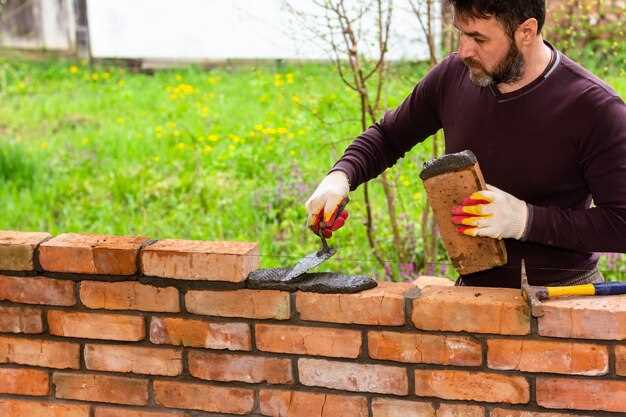

How to replace a retaining wall

If you live in Calgary, you have probably seen timber or block structures holding back soil that no longer look right. Leaning sections, cracked units, gaps where earth slips through. You might walk past it every day and think you can live with it a bit longer. Then spring melt hits, or heavy rain, and the problem feels closer. At Sungreen Landscaping Inc, this is usually the moment when someone calls and says they are not sure where to begin, but they know it cannot stay as it is.
This type of project is not about looks alone. A failed soil support system can push into walkways, strain fences, or send dirt toward the foundation. I think many homeowners underestimate how much pressure builds up underground. Water, frost, and grade all work together here. In Calgary, freeze and thaw cycles do most of the damage. We see it year after year.
You do not need to be an engineer, but you do need a plan. That means understanding why the structure failed in the first place. Poor drainage. Shallow footings. Old timber that reached the end of its service life. Sometimes all three. Ignoring the cause only leads to the same result again, maybe sooner than expected.
This guide walks you through the thinking behind a proper rebuild. Not theory. Real steps based on what works in Southern Alberta. We will talk about site checks, material choices, and construction details that actually hold up. If you are planning the work yourself, this helps you ask better questions. If you are hiring a crew, it helps you spot shortcuts. Either way, your yard ends up safer, cleaner, and easier to maintain.
Step by Step Process for Rebuilding a Soil Support Structure
You begin with a clear look at what is already there. Cracks, tilt, soil loss, water stains. Take photos. Measure height and length. In Calgary, frost damage often tells the real story. If the base shifted, everything above followed. You need to see that before any work happens.
- Mark the work zone and call for utility locates. This step feels boring, but skipping it creates serious risk.
- Remove the existing structure section by section. Hand tools work better near fences or patios. Heavy equipment saves time on open ground.
- Dig down to solid soil. Loose fill causes repeat failure. We usually see 6 to 12 inches of soft material that has to go.
Once the area is open, the base matters more than anything else. A compacted gravel pad spreads load and manages water. I think this is where many DIY builds go wrong. They rush it. In our climate, that shortcut shows within a few seasons.
- Lay non woven fabric to separate soil from gravel.
- Add crushed stone in layers, compacting each lift.
- Check level often. Small errors grow fast as height increases.
With the foundation ready, you can assemble the new support system. Segmental block and treated timber behave very differently. Block units lock together and handle pressure well. Wood costs less upfront but needs careful drainage. Choose based on height, soil type, and budget, not looks.
Drainage and Backfill
Water creates most failures we inspect. A simple drain pipe behind the structure relieves pressure. Wrap it in fabric. Slope it to daylight. Backfill with clear stone, not native clay. Clay holds water. Stone lets it move away.
- Install drain line at the base.
- Backfill with gravel in stages.
- Cap with soil only near the surface.
Finish by checking alignment and adding surface grading so water flows away. Walk the area. Look again after the first heavy rain. Minor adjustments now prevent major work later. This slow check at the end often makes the difference.
Reviewing Structural Failure and Ground Conditions Before Removal
Before any teardown work begins, you need to understand why the soil support system stopped doing its job. Leaning sections, bulging faces, and gaps near the base usually point to pressure buildup behind the structure. I think many homeowners notice the tilt first, but miss the wet soil or clogged drain that caused it.
Walk the full length and look closely. Push gently on loose areas. Check nearby steps, fences, and patios. If those shifted too, the issue likely runs deeper than surface damage. In Calgary yards, freeze and thaw cycles magnify small weaknesses fast.
Common Failure Signals
| Visible Sign | Likely Cause |
|---|---|
| Outward lean | Soil pressure and trapped water |
| Cracked blocks or boards | Movement at the base |
| Rot or soft timber | Long term moisture exposure |
| Soil washing out | Poor backfill or failed drainage |
Ground conditions matter just as much. Clay heavy soil holds water. Sandy fill drains faster but shifts more. Slope angle also plays a role. A short support face on a steep grade carries more load than it looks like. This is where guessing gets risky.
If the existing build uses timber and only part of it failed, you might pause and consider repair options first. We often point clients to guides like how to fix a wood retaining wall to help decide whether full removal makes sense. Sometimes repair buys time. Sometimes it does not.
Site Checks Before Any Teardown
- Confirm property lines and nearby structures.
- Request utility locates for gas, power, and data lines.
- Measure height and total length to plan material handling.
- Note drainage paths during rain or snow melt.
Taking these steps slows things down at first. That pause often prevents surprises once digging begins. From our experience at Sungreen Landscaping Inc, careful review here saves cost later, and avoids repeating the same failure again.
Choosing Materials and Engineering Rules for the New Build
Material choice shapes everything that follows. Cost, lifespan, upkeep, and even permit needs all trace back to this decision. In Calgary yards, soil pressure and frost drive the conversation. What works in one neighbourhood can fail a few blocks away. I think that surprises people.
Segmental concrete units remain a common pick. They lock together and handle ground load well. Timber still shows up, usually where height stays low and access stays tight. Natural stone looks good, but install time climbs fast and so does labour cost. Before settling on anything, it helps to read through real lifespan data like how long do retaining walls last. That context matters.
Material Comparison at a Glance
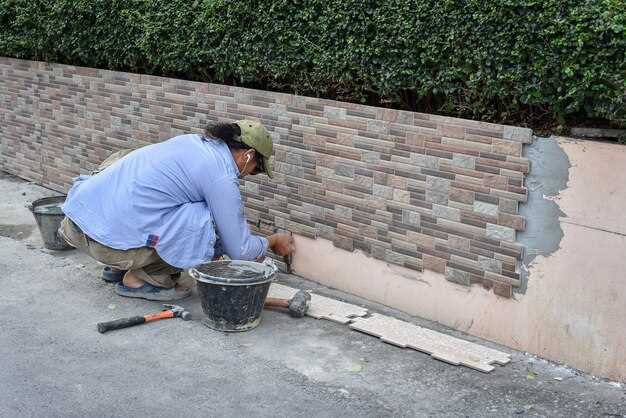
Each option comes with tradeoffs. No perfect choice.
- Concrete block. Long service life. Predictable performance. Higher material cost.
- Treated lumber. Lower upfront spend. Shorter lifespan. Drainage has to be right.
- Natural stone. Strong and stable. Slower build pace. Skilled labour required.
Engineering rules depend on height and load. Once the structure passes about four feet, design support often becomes mandatory. That can mean geogrid, deeper footings, or both. Local codes apply here. Skipping this step risks more than a failed build. It can stall a property sale later.
You also need to think about access. Tight side yards limit equipment. Sloped lots affect excavation depth. These details shape engineering decisions more than people expect. This is usually where homeowners pause and ask for guidance. Working with experienced retaining wall contractors helps connect material choice with site reality.
At Sungreen Landscaping Inc, we see fewer issues when planning stays grounded. Pick materials that match soil, height, and drainage. Follow engineering rules early. It keeps the build clean and avoids second guessing later.
Safe Removal of the Existing Structure and Soil Control Steps
Taking down an old support structure sounds simple, but it rarely is. Soil holds weight. Once the face comes apart, pressure shifts fast. You need to think a few steps ahead, or the ground moves before you are ready. I have seen yards slide overnight after a rushed teardown. It happens.
Begin by clearing the area and setting firm boundaries. Keep people out. Keep pets away. Check nearby fences, sheds, and walkways. If anything relies on the structure for support, brace it first. You work from the top down, always. Pulling lower sections too early invites collapse.
Controlled Removal Process
Break the structure apart in small sections. Hand tools give more control near property lines. Machines speed things up on open ground, but they demand space and planning. Watch the soil as you go. If it starts slumping, pause and stabilize.
- Remove surface soil behind the structure in stages.
- Stack reusable materials away from the edge.
- Dispose of damaged units right away.
Once the face is gone, exposed ground needs attention. Loose fill cannot sit open for long, especially before rain. Temporary bracing or stepped excavation helps manage pressure. In Calgary, sudden storms turn small issues into big ones.
Short Term Soil Stabilization
Stability during this phase protects nearby features and keeps the site safe. Use simple methods that work.
- Cut the slope back at a safe angle.
- Cover exposed soil with fabric or tarps.
- Add gravel where water tends to collect.
If the area feels unpredictable, that is usually a sign to slow down. This stage often pushes homeowners to call for help. Crews experienced in landscaping and retaining walls understand soil behaviour and timing. That knowledge matters here.
At Sungreen Landscaping Inc, we treat removal as part of the build, not a quick demo. Careful handling here sets the base for everything that follows, and keeps surprises to a minimum.
Rebuilding the Soil Support Structure With Proper Drainage and Backfill
Once the old structure is removed and the base is prepared, the next step is constructing a new support face that handles pressure and water correctly. Drainage is often the element that gets overlooked, and in Calgary’s freeze-thaw conditions, that oversight shows quickly.
Start with a solid footing. Gravel or crushed stone compacts well and spreads load. Place a drain pipe at the base and slope it toward a safe discharge point. Wrap the pipe with fabric to keep fines out. That small step alone can prevent decades of problems.
Backfill Techniques That Matter
- Use free-draining material such as crushed stone or gravel behind the structure. Avoid native clay in the first few feet of backfill.
- Compact in 6 to 12 inch lifts to reduce settlement.
- Keep fabric layers between soil and stone where possible to prevent mixing.
- Check slope frequently to maintain alignment and avoid bulges.
After the base and backfill are in place, you can assemble the new units. Segmental blocks or treated timber require slightly different spacing and connection methods, so follow manufacturer or engineering guidance. For taller builds, geogrid reinforcement may be needed. Each decision affects long-term stability.
Final Surface Grading and Inspection
Cap the top with soil to match surrounding grade. Ensure water flows away from the structure. Small adjustments now prevent bigger problems later. Walk the site after a rain to spot pooling. These checks often catch issues that were not obvious during construction.
Rebuilding correctly takes patience, but the result lasts longer and requires less maintenance. Sungreen Landscaping Inc has worked on many projects in Calgary, and careful attention to drainage and backfill always makes the difference between a short-term fix and a structure that holds for decades.
Questions and answers
What signs indicate that my soil support structure needs full removal instead of minor repair?
If you notice significant leaning, bulging sections, large cracks, or soil washing out behind the structure, these are usually signals that a full teardown is safer than patching. Timber rot or shifting blocks suggest that the base has failed, not just the surface. Also, repeated pooling or drainage issues often mean the system cannot hold pressure properly. In many cases, a short fix might last a season, but the underlying problems will continue. Consulting a professional can clarify whether repair is possible, but visible movement is a strong warning.
Which materials hold up best for rebuilding a support face in Calgary’s climate?
Concrete segmental units handle soil pressure and freeze-thaw cycles well, which is why they are commonly used. Treated timber can work for lower structures, but it requires proper drainage and maintenance. Natural stone is durable but slower to install and more costly in labour. Choosing the right material depends on height, soil type, access, and budget. You should also consider long-term maintenance; concrete units may last decades with minimal intervention, while timber might need replacement sooner. Reading data on how long structures last helps set realistic expectations.
What is the correct method to remove an old support system safely?
Begin by clearing the area and securing boundaries. Work from the top down and remove sections gradually to avoid sudden soil collapse. Use hand tools near fences or patios for control, and heavy machinery on open ground if space allows. Exposed soil should be stabilized immediately with temporary bracing or stepped excavation. Monitoring slope movement throughout prevents accidents. It is also smart to involve experienced landscaping and retaining walls crews for guidance if the soil feels unstable.
How should drainage and backfill be handled during reconstruction?
Drainage determines long-term stability. Install a perforated pipe at the base, wrapped in fabric, and slope it toward a safe discharge point. Backfill in layers of 6 to 12 inches using free-draining materials like crushed stone or gravel. Compact each layer to reduce settlement. Keep fabric separation between soil and gravel to prevent mixing. Finally, grade the top so water flows away from the structure. These steps reduce pressure on the face and prevent common failures in Calgary’s freeze-thaw climate.
At what height or condition should I consult an engineer before building a new support structure?
If the structure exceeds about four feet, or if soil is unstable or slopes are steep, consulting an engineer is recommended. They can calculate load, recommend geogrid or deeper footings, and ensure local codes are met. Even for shorter builds, unusual soil types or drainage issues may require professional guidance. Skipping this step can lead to early failure or even safety hazards. Professional input helps prevent costly mistakes and aligns the project with long-term durability goals.