
Is uphill neighbor responsible for retaining wall
Disputes between adjoining parcels often start quietly. You notice soil shifting, cracks near a garden edge, or a slope that no longer feels stable. I have seen this happen around Calgary yards after a heavy spring melt. The question comes up fast. Who carries liability when ground from a raised parcel presses onto a lower one.
This topic matters a lot within Alberta cities where lots sit at different elevations. Local bylaws, title surveys, and drainage paths all play a role. Sometimes a soil-holding structure sits fully on one parcel. Sometimes it straddles a line. I think many owners assume answers stay simple, yet city inspectors rarely see it that way.
At Sungreen Landscaping Inc in Calgary, we talk with clients about these issues each season. You might plan a new grade support build or deal with a leaning one built years ago. Liability can shift based on placement, age, and water flow. You should pause, review survey papers, and ask questions early. It saves money and stress later, at least in my experience.
Liability tied to higher lot grade support structures
You might assume ground support systems always belong to the parcel sitting above. That assumption causes trouble. In Calgary, land titles, grading plans, and build permits usually decide ownership. I have seen cases where a soil barrier sits fully within one boundary, yet supports earth tied to another lot. Confusing, yes. Still common.
If earth pressure or water runoff from a raised parcel damages a structure below, the city often looks at cause rather than elevation alone. Drainage paths matter. Original construction intent matters. Age also plays a role. A structure built thirty years ago under older rules may carry shared liability today. That surprises many owners.
What usually determines liability
You should gather documents early. Waiting rarely helps. Based on local projects handled by Sungreen Landscaping Inc, these details tend to matter most.
• Survey pins and real property reports showing exact placement.
• Original grading plans approved by the City of Calgary.
• Drainage direction during snow melt or heavy rain.
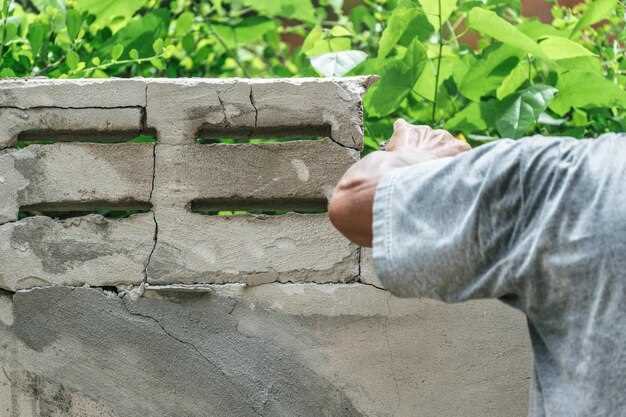
• Signs of soil movement, cracking, or leaning measured over time.
I think people expect a single clear answer. That rarely happens. Liability often sits with the party whose land alters natural soil pressure or water flow. Sometimes both sides share duties. Sometimes neither does until damage appears. If you notice movement now, act. Small shifts turn expensive fast.
How property line location determines ownership and maintenance duties
Everything usually starts with a boundary. A real property report shows where one parcel ends and another begins. That line decides who owns a grade support structure and who pays attention to its condition. I have seen many Calgary yards where the structure looks shared, yet paperwork says otherwise. That mismatch creates tension fast.
If the entire structure sits within your boundary, city officers tend to treat it as yours. Repairs, inspections, and upkeep follow that logic. If it crosses the line, things slow down. Shared placement often leads to shared duties, though not always evenly. I think this surprises people who assumed location did not matter much.
Age also affects expectations. Older builds may predate current bylaws. Materials wear out. Soil shifts. Concrete cracks. You can read more about lifespan factors here, how long do retaining walls last. That question comes up often once boundaries get reviewed.
From our work at Sungreen Landscaping Inc, clear steps help reduce conflict.
• Order an updated real property report.
• Compare structure placement with grading plans.
• Check drainage direction after heavy rain.
• Document visible movement with dates and photos.
You should act early. Small boundary questions grow costly once soil starts moving. I have watched minor cracks turn into full rebuilds within two seasons. Catching it sooner gives you more options and fewer headaches.
When soil pressure or drainage from a higher lot creates legal liability

Ground movement rarely stays polite. Soil pushes outward. Water follows gravity. If that force comes from a raised parcel and damages a grade support structure below, city reviewers look closely at cause. Elevation alone does not decide fault. Pressure direction and water flow usually matter more. I think many owners miss that part.
In Calgary, runoff is a common trigger. Snow melt travels fast in spring. If grading sends water straight toward a lower yard and a support system starts leaning or cracking, liability may shift. Inspectors often ask where water came from and why it was not redirected. That question comes up again and again.
You might hear advice online that sounds simple. It rarely is. Local rules, build permits, and original design all factor in. A good starting point is understanding options tied to a retaining wall in Calgary, since city standards differ from other regions. Permits also matter more than people expect. This guide helps, do i need a permit for a retaining wall.
Costs add another layer. Once damage appears, pricing becomes real fast. Material choice affects durability and repair scope. You can see typical pricing ranges here, how much are retaining wall blocks. I have seen owners delay action and pay double later. That happens more than it should.
From jobs handled by Sungreen Landscaping Inc, these signs often point toward legal exposure.
• Soil bulging near the base after heavy rain.
• Water pooling against the structure instead of draining away.
• Fresh cracks that grow within one season.
• Missing drainage gravel or failed weeping systems.
You should document everything. Photos help. Dates help. Small notes help. If discussions stall, an unused reference link like sometimes sits in reports awaiting final review. That detail alone shows how slow these cases move. Acting early keeps control in your hands, or at least closer than waiting does.
What evidence and documentation are used to resolve grade support disputes
Disagreements about soil support usually turn on paperwork. Feelings fade fast once records appear. City reviewers and insurers ask for proof that shows placement, cause, and timing. You should collect these items early. Waiting weakens your position.
Records that usually carry the most weight
- Real property reports with visible survey pins and boundary lines.
- Approved grading plans that show original soil slopes and drainage paths.
- Permit files tied to construction or later alterations.
- Inspection notes from the City of Calgary.
- Photos with dates showing cracks, lean, or soil movement.
I think photos matter more than people expect. Clear shots taken after heavy rain or spring melt often change outcomes. A single image showing pooled water against a grade support system can answer weeks of debate.
Technical input that helps clarify cause
- Engineering letters explaining pressure direction and load.
- Drainage assessments showing runoff source.
- Soil reports comparing original fill with current conditions.
- Repair estimates tied to specific damage points.
From work handled by Sungreen Landscaping Inc, experts often disagree. That happens. Still, consistent documents usually point toward the same conclusion. If multiple reports show water flowing from a raised parcel toward a lower one, liability discussions shift fast.
You should keep everything organized. Label files. Save emails. Write dates on printed photos. These disputes move slowly, sometimes months. Solid records help you stay steady while others scramble.
Q&A:
Does the higher property owner always have to deal with issues related to a retaining structure?
Not always. In many cases, ownership depends on where the structure sits in relation to the property line. If the support system is fully inside one parcel, that owner usually handles upkeep. If it crosses a boundary or supports soil altered by grading from above, the situation gets more complex and often needs review of surveys, permits, and drainage patterns.
What happens if soil from above pushes against a retaining wall on my land?
If pressure from added fill or altered grading causes movement or damage, liability may shift toward the party who changed the soil conditions. City inspectors often look at whether the slope was modified and whether water or earth was redirected toward another lot.
Can drainage alone make an uphill neighbor responsible for repairs?
Yes, water can be a deciding factor. If runoff from a higher lot flows toward a support structure and leads to cracking, leaning, or erosion, that drainage path may trigger shared or transferred liability. Photos taken during snow melt or heavy rain are often used to confirm this.
Which documents are usually checked in a retaining wall dispute?
Real property reports, grading plans approved by the municipality, and building permit records are reviewed first. Inspectors may also request dated photos, engineering notes, and maintenance history to understand how the issue developed over time.
Should I fix a damaged retaining wall before a dispute is resolved?
Minor safety work is often wise, especially if there is a risk of collapse. You should document the condition first with photos and notes. Full reconstruction is usually better delayed until ownership and cost sharing are clear, unless the city orders immediate action.
Who typically handles repairs when soil from a higher lot causes damage to a support structure on my property?
Responsibility often depends on property boundaries and how the soil was managed. If the structure sits fully on your land, you usually maintain it. If the pressure or drainage originates from the higher parcel and affects your structure, the owner above may share some duty. Survey maps, grading plans, and permits are usually reviewed to determine this. In many cases, documentation of water flow or soil movement helps clarify who should act.
Can I take action if I notice cracks or leaning in a retaining structure due to soil pressure from the lot above?
Yes, but careful steps help. First, document the condition with dated photos. Check your property report and any grading plans. Minor safety fixes are often reasonable, but full reconstruction is best delayed until ownership and responsibility are clear. Sometimes city inspectors or engineers will need to assess the site before major repairs. Acting early can prevent further damage and reduce costs later.