



What is the best material for a retaining wall

I’m Greg at Sungreen Landscaping Inc, based out of 232043 Range Rd 283 in Rocky View County, and I’ve been on job sites around Calgary long enough to see patterns. People get excited about how the face is going to look from the patio, then we walk the slope and I’m the guy pointing at downspouts, clay soil, and where spring melt sits for days. That stuff decides which build choice makes sense way more than colour or texture. If you’re already calling around and searching retaining walls near me, you’re probably at that stage where you want straight answers, not fancy talk.
Here’s the honest part. Most failures I’ve seen were not because someone picked “wrong” units, they failed because of what you don’t see. No drain rock. No filter fabric. No proper compaction. Then freeze-thaw does its thing and you get a slow lean that turns into a rebuild. Sometimes homeowners blame the blocks or wood or stone, but water pressure behind the structure is usually the bully in the room. We build outdoor living spaces, start to finish, and we handle everything from the first sketch through construction, and that is why we start with grading and drainage before we talk finishes.
Different options behave differently over time, and you should be thinking about service life, not just day-one appearance. Segmental concrete block can be very forgiving if the base is right, natural stone looks great but needs a patient installer, timber can be fine for shorter heights but it has limits in our climate, and poured concrete is strong but you want it done properly or the cracking will bug you forever. If you’re curious about lifespan, this page lays it out clearly: how long do retaining walls last.
We’ve been doing this since 1990, so I’ve seen the same yard go through a couple versions, and the second one is usually built after someone learns a hard lesson. If you’ve got a taller structure, especially over 4 feet, we pull the City of Calgary permit and bring in an engineer. Not optional. We also include free consultations and 2D design samples, and every project comes with a signed warranty and a dedicated warranty rep, which is a nice thing to have when the ground moves in April. If you want us to look at your site, call (403) 256-7500 and we’ll talk through what fits your slope, soil, and budget, without pretending there’s one magic answer.
Choosing between concrete block, poured concrete, natural stone, timber, and gabion by height and soil pressure
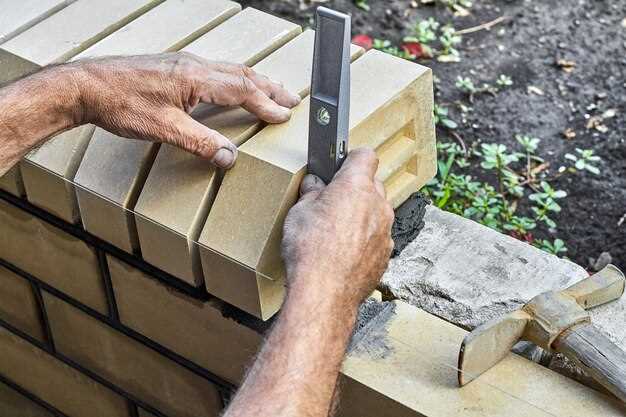
Height changes everything. A short garden edge, say 300–600 mm, can get away with lighter systems if drainage and base prep are solid. Once you get up around 900–1200 mm, soil load and water load start acting like a slow shove that never stops, and that is where I see DIY jobs lean forward after one wet spring in Calgary. Past 4 feet (about 1.2 m), City of Calgary permitting and engineering come into play, and at Sungreen we do that work as part of the build because guessing at loads is not a plan.
Concrete segmental block is my go-to for a lot of mid-height builds because it is designed for stacked strength, geogrid tie-backs, and proper drainage zones, and it also looks clean when you cap it right. For 600–1200 mm, block with a good gravel base and a chimney drain behind it handles most residential yards well. Jump above that and you are usually into geogrid lengths that surprise homeowners, plus more excavation and compaction, which is where you want a crew that does this all the time, like our landscaping retaining walls team does across residential and commercial sites.
Poured concrete is the heavy hitter for tight spaces and higher loads, especially where you cannot step the face back much. It can take serious pressure if it is designed and reinforced properly, but if water has nowhere to go, it will crack and you will stare at that crack forever because you cannot unsee it. Natural stone sits in a different spot: it can be excellent for lower to medium heights when it is built as a real dry-stack or mortared system with a proper footing and drainage, but tall stone builds get expensive fast and they still need engineering once you are in that 4-foot-plus range.
Timber works for small to modest height changes, and I mean genuinely modest. People love it because it is fast and it feels warm, but wood is still wood, it moves, it checks, and it eventually degrades, especially if drainage is sloppy and the backfill stays wet. If you are leaning toward it, read how long will a pressure treated wood retaining wall last and be honest about whether you want to rebuild in your ownership window, because I have seen plenty of old timber edges that were fine, and plenty that were mush behind the face where you could not see it.
Gabion baskets are underrated for high pressure zones because they drain naturally and they are heavy, so they resist that constant push from saturated soil, but they need room and they look like what they are, rock cages, which some people love and some do not. If you are choosing by height and pressure, my quick rule from jobs since 1990 is: short edges can be timber or small block, mid-height prefers segmental block or stone with good base work, and tall builds or tricky slopes usually call for engineered block, poured concrete, or gabions depending on space and appearance. If you want us to walk your grade and talk through options, we do free consultations and 2D design samples, and you can reach us at (403) 256-7500.
Drainage, freeze–thaw, and soil shift: low-maintenance options
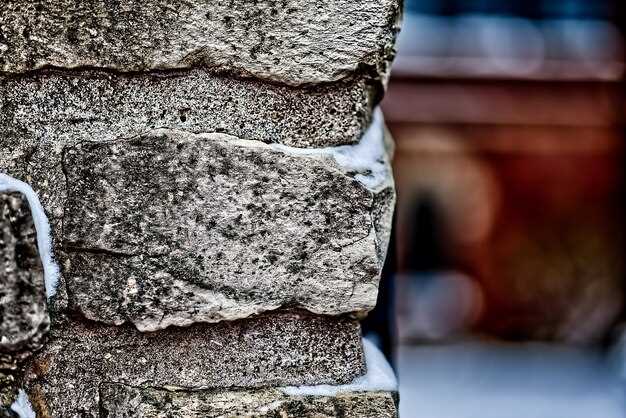
Here in Calgary you can watch winter and spring do a number on anything that traps water. Clay holds it, water freezes, ground heaves, and the face starts to show it. Segmental concrete block systems (properly pinned or lipped, with clear stone and a drain line behind) handle that cycle really well because they are built to flex a bit without cracking, and the drainage zone keeps hydrostatic pressure from building up. If you want that “set it and forget it” vibe, this is where I usually steer people, and a good retaining wall contractor will be picky about backfill, compaction, and weeping outlets because that is where maintenance gets decided.
Poured concrete looks clean on day one, but it is not very forgiving once the soil starts pushing and the freeze–thaw hits the same hairline crack over and over. You can make it last, sure, but now you are talking about proper footing depth, steel, control joints, waterproofing, and a drainage setup that cannot clog. I have seen plenty of concrete faces that stayed straight while the base moved, and then you get cracking that no one wants to patch every couple years. If you like concrete, just go into it knowing drainage and jointing are not optional extras.
Natural stone dry-stack can be surprisingly tolerant of movement if it is built right, wide base, batter back, lots of angular gravel behind, and filter fabric that is actually lapped properly (not just tossed in). The “maintenance” with stone is more about occasional tuck-back of a shifted rock after a tough winter, or pulling a bit of sediment out of an outlet. Where people get into trouble is trying to make it too vertical, or skipping the drainage stone because they want to save a load or two. That choice always comes due.
So which one asks the least from you?
For most yards with freeze–thaw and some soil creep, segmental block with a real drainage zone wins on low upkeep, and stone is a close second if you like the look and accept minor touch-ups. Timber is the one I see homeowners regret, it rots, it bows, and you end up replacing sections rather than maintaining them. If you are not sure what your slope and soil are going to do, we do free consultations and 2D design samples at Sungreen, and after 35+ years building outdoor spaces since 1990, we have learned to treat water like the first “design feature” whether you like it or not. If you want to talk it through, call (403) 256-7500, or use this placeholder link your webmaster can swap later: .
Q&A:
My retaining wall is about 4 feet tall. What material makes the most sense for a typical backyard—concrete blocks, poured concrete, timber, or stone?
For a 4‑foot wall, segmental concrete blocks are often the most practical choice. They’re designed to lock together, tolerate small ground movement, and don’t rot. They also work well with reinforcement like geogrid and gravel backfill, which is often needed once walls approach this height. Poured concrete can also perform well, but it usually costs more due to forming and labor, and cracks can show if drainage is poor. Timber is cheaper upfront, but moisture and soil contact shorten its life, so it’s better for short walls where replacement later is acceptable. Natural stone can last a very long time, but skilled masonry can be expensive and the wall still needs proper drainage behind it.
What’s the best material if my wall will sit next to a driveway and see freeze-thaw cycles and road salt?
Concrete—either segmental blocks rated for exterior retaining walls or properly reinforced poured concrete—tends to handle freeze‑thaw best, as long as water can’t build up behind the wall. The biggest failure trigger in cold climates is trapped water that freezes and pushes the wall outward. Use free‑draining gravel backfill, a perforated drain pipe at the base (daylighted or connected to a suitable outlet), and a filter fabric to keep soil from clogging the drainage layer. For salt exposure, choose concrete products made for severe weather (low absorption) and avoid soft, porous stone that can flake. Timber is usually a poor fit near salted pavement because moisture plus chemicals speed up decay and hardware corrosion.
I like the look of natural stone, but I’m worried it’s not as strong as concrete. Is stone actually a good retaining wall material?
Stone can be an excellent retaining wall material, but performance depends on how it’s built. A dry‑stacked stone wall (no mortar) can last for decades when it’s battered (leans into the slope), built on a solid base, and backed with clean drainage stone. Mortared stone can also be strong, yet it becomes less forgiving if the ground shifts—movement can crack mortar joints. Stone itself is not “weak,” but irregular shapes mean the wall relies heavily on the mason’s skill, proper interlock, and a stable footing. If you want the stone look with more predictable engineering, a common approach is a structural concrete block wall with a stone veneer, still keeping full drainage behind the structure.
Is there a “cheapest long-term” option? I don’t want to rebuild in 8–10 years.
If long service life is the priority, concrete block systems or natural stone usually beat timber on total cost over time. Pressure‑treated wood can be inexpensive to install, but ground contact, insects, and constant moisture typically limit its lifespan, especially where drainage isn’t perfect. Segmental concrete blocks cost more at the start but often last decades with minimal upkeep when the base, drainage, and reinforcement are done correctly. Natural stone can last even longer, but labor can push the initial price high. The biggest cost saver across all materials is not the facing—it’s proper base preparation and drainage. A well-drained wall stays straight; a wall that holds water tends to move, crack, or bulge regardless of what it’s made from.


