



Can you stain concrete retaining wall blocks
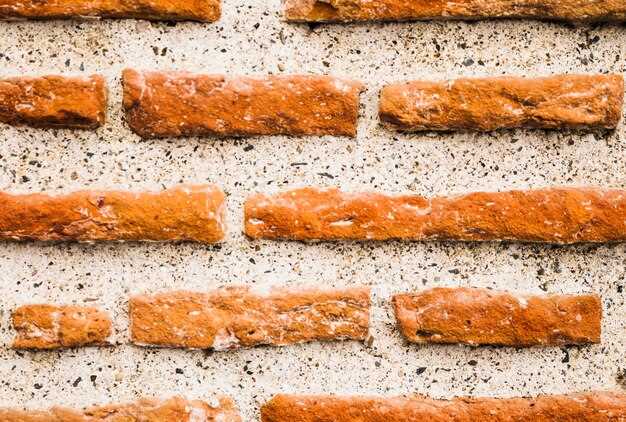
I get asked a lot if those grey segmental units along a raised garden edge can be tinted to look warmer, darker, or just less like new construction. Most yards around Calgary have a mix of materials already, and that straight-up grey can feel a bit harsh beside wood fences, pavers, or an older patio. The good news is the colour side of things is usually possible, but the real question is whether the surface is ready to take colour evenly, and whether the structure behind it is actually sound.
I have seen homeowners focus on colour first, then a season later they are calling because the whole tier is leaning and the joints are opening up. That is not a pigment problem, that is a build problem, and it changes what makes sense to do next. If the face is shifting or the base has settled, sometimes the smartest move is to rebuild or replace sections before touching the finish, and this guide on how to replace a retaining wall lays out the kind of steps we end up doing on real jobs.
Another thing that affects how any colour treatment turns out is what the units are made of and how they were put together. A dense, smooth face behaves differently than a split-face texture, and mortar work is its own beast compared to dry-stacked segmental systems. If what you have is actually brickwork or you are planning to switch styles, it helps to understand the build basics first, and this article on how do you build a brick retaining wall is a solid reference.
And I am going to say it because I have scraped too many failed finishes off the front of these structures: water is the silent troublemaker. Moisture pushing through from the back can cause blotching, white salts, and peeling sealers, then people blame the product they bought. Drainage and backfill are what keep the face dry enough to hold colour properly, so if you are not sure what is behind the units, read do retaining walls need drainage before spending a dime on coatings.
At Sungreen Landscaping Inc we have been building outdoor spaces since 1990, and we handle everything from design through full construction, including segmental systems, pavers, patios, lighting, irrigation, and the cleanup that nobody wants to talk about. If your project is tall, we pull the City of Calgary permit and bring in an engineer, because that part is not optional. If you want us to take a look, we do free consultations and 2D design samples, and every completed job comes with a signed warranty and a dedicated warranty rep. Call (403) 256-7500 and we can tell you pretty quickly if your structure is a good candidate for a colour change, or if it needs fixing first. Well, usually anyway.
Colouring and Sealing Segmental Garden Panels
I’ve had homeowners ask if those grey modular units along a slope can be darkened, warmed up, or made to match a patio, and yes, it’s doable, but it’s not like brushing on paint and calling it a day. The face has to be clean and open, no efflorescence, no old sealer, no mud packed into the pores, because the colour needs somewhere to grab. Most of the jobs we see in Calgary that “didn’t take” were done on a damp surface or on units that were already sealed from the factory, and then people wonder why it looks blotchy. If the structure is older and already has a bit of movement, I’d deal with that first because a fresh finish won’t hide shifting joints for long, and it’s the same reason I tell people to think about lifespan before cosmetics, this page helps: how long do retaining walls last.
Once the colour is on, a breathable sealer helps with salt spray and our freeze-thaw cycles, but it also changes how the surface sheds water, so I like to test a small spot and see what it does after a week or two. Also, if the plan is to mount posts or add railing later, sort that out early so you’re not drilling through a finished face and chipping it up, here’s the question I get a lot: can I install a fence on a retaining wall. If you’re unsure about height rules, setbacks, or what the City wants for anything over 4 feet, we pull permits and bring in an engineer when required, and this is the page that covers the basics: do I need a permit for a retaining wall.
Which Segmental Units and Surface Conditions Will Accept Colour Treatment
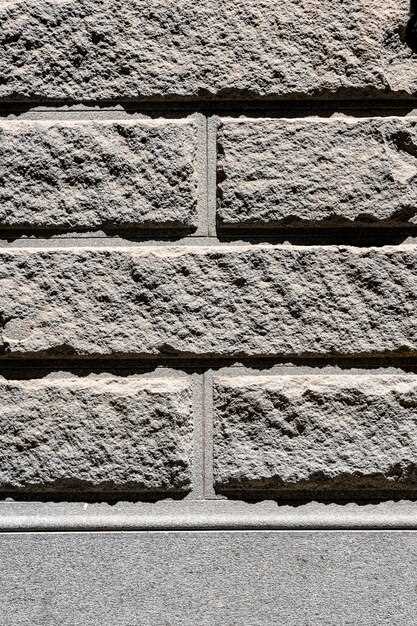
Some segmental units take colour treatment nicely and some just fight it, and it usually comes down to how open the face is. I have had the best luck on site with dry-cast pieces that have a split-face or a rough, quarried-style texture, because the pores are open and the pigment has somewhere to bite. Super smooth, dense faces can end up blotchy, like the colour sits on top instead of settling in, and then you start chasing “one more coat” forever. If you are choosing materials from scratch, our page on retaining wall blocks in Calgary gives a decent sense of what’s out there locally, and what finishes are common around Calgary yards.
Newer units are a bit of a gamble if there is any release powder, shipping dust, or that pale film some manufacturers leave on purpose. Efflorescence is the big spoiler too, that white, chalky salt that shows up after wet weather. Colour treatment over that looks okay for a week, then the white haze comes back and your “warm charcoal” turns into “dirty sidewalk.” If you are already rebuilding or swapping materials anyway, read how to build a stone retaining wall and notice how much of the success is tied to base prep and drainage, because water moving through the system is what brings those salts to the face in the first place.
Surface texture matters more than people think
Here’s what I’ve seen accept colour treatment well, and what tends to reject it. Not every product behaves the same, but the pattern is real.
- Split-face, tumbled, or “rock” textures: usually take it evenly, hide small variations.
- Cast-in patterns with some tooth: often fine, but watch for sealed-looking spots.
- Ground or polished faces: poor pickup, shows lap marks and overlap lines.
- Units with heavy integral pigment already: changes are subtle, sometimes not worth the effort.
The condition of the face is the other half of it. Oil splatter from a barbecue, mud that got baked on, algae in shady spots, old sealer, or a previous paint job will all block absorption in patches. I’ve been on jobs where the homeowner swore it was “just dirt,” then we hit it with a proper cleaner and suddenly there were handprints of sealer everywhere. And if the structure is wood and needs repair, fix that first and save yourself the headache. This guide on how to fix a wood retaining wall lays out the basics, and it’s the same idea: get the structure sound before worrying about looks.
Moisture, shade, and salts: the quiet deal-breakers
In Calgary, I watch for north-facing runs, low spots, and anywhere downspouts dump water. If the face stays damp, colour treatment dries uneven, then you get zebra stripes as it cures. If there’s constant runoff, you can also end up with that powdery salt bloom returning, which ruins the finish no matter how careful you were. Sometimes the smarter move is skipping the whole “vertical face” idea and working with grading and planting instead. If that’s your situation, have a look at how to landscape a steep slope without retaining walls. We do both approaches at Sungreen, and we’ve been at this since 1990, so we’ve seen what holds up after a few freeze-thaw cycles. If you want us to look at your site conditions first, we do free consultations and bring 2D design samples, and most of the time we can tell pretty quickly whether your surfaces will take colour evenly or fight you the whole way. Call (403) 256-7500 if you want it checked.
Q&A:
Can you stain concrete retaining wall blocks, or do they have to be natural gray?
Yes, you can stain many concrete retaining wall blocks. The key is how porous the surface is and whether it has sealers, release agents, or dirt embedded in it. Penetrating concrete stains (especially acid-based or water-based reactive stains) soak into the surface and can change the color without forming a thick film. If the blocks are very dense, heavily “burnished,” or already sealed, the stain may look lighter or patchy. A small test area on a spare block (or on a hidden section) will tell you what the final color will look like.
What’s better for wall blocks: acid stain, water-based stain, or concrete dye?
It depends on the look you want and how uniform you need the color to be. Acid stain reacts with minerals in the concrete, so results can vary block to block; it often creates mottled, natural-looking tones and works best on plain, unsealed concrete. Water-based stains are easier to control, come in more color options, and can be applied in multiple coats to deepen the shade; they still soak in, but usually look more consistent than acid stains. Concrete dyes can give stronger, brighter color and more uniform coverage, but they may fade faster in direct sun unless protected. For outdoor retaining walls, a quality water-based penetrating stain is a common choice when you want predictable color.
How do I prep retaining wall blocks before staining?
Cleanliness and open pores matter most. First, remove dirt, algae, and efflorescence (the white salty haze) because they block stain absorption. Wash the wall with a concrete-safe cleaner; a pressure washer can help, but don’t etch or damage the face. If there’s efflorescence, use an efflorescence remover made for masonry and rinse thoroughly. Avoid leaving soap residue. Let the blocks dry fully—often 24–48 hours depending on weather. If water beads on the surface, the wall may be sealed; you’d need to strip the sealer or accept a lighter result. Always test your prep and stain on a small area first.
Will staining hide stains, color differences, or patched areas on my wall?
Staining can reduce contrast, but it rarely hides everything. Penetrating stains are somewhat transparent, so dark spots, repairs, and variations in block texture can still show through—sometimes they show even more because the stain absorbs differently in different areas. If you need the wall to look uniform, a solid-color masonry coating or concrete paint-like product gives better coverage than a penetrating stain. If you still want a stained look, use sample tests on the most problematic sections and consider layering two close colors (light coat first, then selective darker passes) to soften blotches.
Do I need to seal stained retaining wall blocks, and what sealer should I use outdoors?
Sealing is optional but often helpful outdoors. A good sealer can reduce fading, make cleaning easier, and limit water intrusion. For retaining wall blocks, choose a breathable, penetrating sealer (silane/siloxane) if your goal is water repellency without changing the appearance much. If you want a slight sheen or “wet look,” a breathable acrylic sealer can add sheen, but it may need reapplication over time and can highlight surface flaws. Avoid trapping moisture behind a non-breathable film, especially on a wall that sees a lot of water pressure, because peeling or whitening can happen. Check that the stain is fully cured before sealing, and do a test patch to confirm the final color and sheen.


