
How much paver base do I need for retaining wall
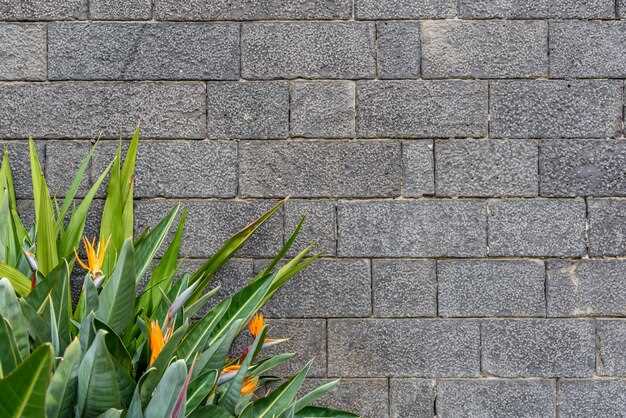
One of the most common problems I see on site is a raised garden barrier that looked fine the day it went in, then started to shift after the first hard freeze and thaw cycle. Not always right away. Sometimes it takes a year or two, and then you notice the face tipping a bit, or one section settling lower than the rest. Usually the trouble started underneath. People spend a lot of time picking block colour and shape, which makes sense, that is the part you look at every day. But the crushed rock underneath is what carries the load. If that layer is too thin, too soft, or spread unevenly, the whole thing can move more than you expect.
I have seen homeowners guess the depth by eye, and, well, that rarely goes as planned. Soil conditions in Calgary and around Rocky View County can change a lot from one yard to the next. Clay in one area, looser material in another, and sometimes old fill that nobody knew was there until digging started. That is why the numbers matter. Not in a fussy way, just in a practical one. You want enough compacted aggregate under the first course so the structure sits firm and stays that way through moisture changes, frost, and the weight of the ground it is holding back.
At Sungreen Landscaping Inc, we have been building outdoor spaces since 1990, and this is one of those details that decides whether a project lasts or turns into a repair call. We handle everything from planning and excavation to full construction, and yes, that includes these garden support builds, stone surfaces, steps, drainage work, and the rest of it. If the height goes past four feet, we bring in an engineer and arrange the required City of Calgary permits. That part matters more than some people think. A taller structure is not just a stack of units, it is a load-bearing assembly dealing with soil pressure and water, and there is no smart shortcut around that.
In this article, I am going to walk you through the usual depth ranges, what affects the gravel quantity, and where people tend to underbuild without realising it. Most of the time, at least, once you understand the width of the trench, the planned height, and the ground conditions, the calculation is pretty straightforward. If you want a second set of eyes on it, we do free consultations and 2D design samples, and every finished project comes with a signed warranty and a dedicated warranty representative. You can reach us at (403) 256-7500. But first, let’s sort out the numbers so you know what should be under that first row before anything gets set in place.
Calculating Gravel Quantity Beneath a Garden Barrier
The amount of crushed rock under a block barrier depends on three things. Length, trench width, and compacted depth. That is the plain version. You measure the full run in feet, then the trench across, then the depth of the granular layer after tamping, not loose out of the truck. A lot of people guess this part and come up short by half a yard, which is annoying on a Saturday afternoon when the supplier is closed and the excavation is sitting there open.
On most jobs we build in Calgary, the compacted gravel footing under the first course is often around 6 inches deep, sometimes more if the soil is soft or the structure is taller and carrying more load. The trench is also wider than the block itself. That catches people. If your units are 12 inches deep, the trench might be 18 to 24 inches across so there is room to set the first row properly and lock it in. So the math goes like this. Length x width x depth = cubic volume. If you are working in feet, divide by 27 to convert that number into cubic yards. Say your run is 20 feet long, 2 feet across, and 0.5 feet deep. That gives you 20 cubic feet. Divide by 27 and you get about 0.74 cubic yards of crushed rock.
Then add a bit extra. I usually tell people to allow another 10 to 15 percent because gravel settles, spreads, and somehow vanishes faster than you expect once you start raking and compacting. Well, usually anyway. If the excavation is uneven or the ground has a few soft pockets, that extra material saves you from stopping mid-job. We have seen plenty of homeowner builds where the math was almost right, but not quite, and the first row ended up sitting partly on soil because the stone layer ran out near one end. That first row decides whether the whole thing stays straight.
If the structure is taller, the crushed rock under it is only one part of the material count. You also have the drainage stone behind the blocks, and that volume can be larger than people expect. A narrow column of clean drain rock behind the units helps water move down to the drain tile instead of pushing outward. That part matters a lot in our freeze-thaw conditions here. One winter can be forgiving. A few winters, less so. Once water gets trapped and starts expanding, you begin seeing bulges and little shifts that were not there the year before.
At Sungreen, we have been building these projects since 1990, and the estimating side gets easier after you have loaded enough gravel and corrected enough bad trench prep to know where jobs go sideways. If your barrier is over 4 feet, we pull the City of Calgary permits and bring in an engineer. That is standard on our bigger builds. You can also book a free consultation and we will sketch out a 2D design sample, which helps if you are trying to tie the structure into steps, a patio, or a fence line without making the yard feel chopped up. Most of the time, at least, the material quantity question is really a layout question in disguise.
If you want a quick check before ordering, measure the trench, run the volume calculation, convert to cubic yards, then round up a little. Not wildly. Just enough so you are not trying to make 0.8 yards do the work of 1 yard. If you are unsure about soil strength, drainage, or the size of the footing, give Sungreen a call at (403) 256-7500 or have a look at sungreen.net. Better to sort it out on paper than rebuild a leaning structure a year later. I have seen both. The paper is cheaper.
Questions and answers:
How do I calculate how much paver base I need for a retaining wall?
Measure the full length of the wall and decide how wide and deep the base trench will be. A common approach is to make the base trench about twice the depth of the wall block from front to back, with 6 inches of compacted paver base under the first course. For example, if your wall is 20 feet long and the base trench is 24 inches wide, convert everything to feet before calculating: 20 × 2 × 0.5 = 20 cubic feet of base material. Since gravel and paver base are often sold by the cubic yard, divide by 27. In this case, you would need about 0.74 cubic yard. It is smart to add a little extra for compaction and minor grade changes, so ordering about 0.85 to 1 cubic yard is common. If the site slopes or the trench depth changes along the wall, calculate each section separately and add them together.
Is paver base the same material I should use under a retaining wall, or do I need something different?
For many retaining walls, the base layer is made from crushed stone with fines or a dense graded aggregate that compacts tightly. In some areas, suppliers call this paver base, road base, or base aggregate. The name changes by region, so the better question is whether the material compacts well and drains reasonably well for wall support. Many wall manufacturers ask for angular crushed stone for the leveling pad and clean drainage stone behind the wall. That means the material under the wall and the material behind the wall may not be the same. Under the wall, you want a compacted base that creates a firm, level footing. Behind the wall, you usually want free-draining gravel to reduce water pressure. Check the wall block manufacturer’s instructions and local soil conditions before choosing one material for both jobs.
How deep should the paver base be for a small retaining wall in my yard?
For a short retaining wall, a common base depth is 6 inches of compacted base material. The first row of blocks is also usually buried by about 10% of the wall height, or at least a few inches, depending on the wall system and site slope. For example, if you are building a wall around 24 inches tall, you may dig deep enough to place 6 inches of compacted base and set the first course partially below grade. The trench must also be wide enough to support the block and leave room for proper placement. If the soil is soft, wet, or recently filled, a deeper excavation and extra base may be needed. Small walls often fail not because they are tall, but because the base is shallow, uneven, or poorly compacted.
Should I buy extra paver base for compaction, and how much extra is normal?
Yes. Loose base material takes up more space before compaction than it does after it is compacted in the trench. That means the amount you calculate from finished dimensions is usually less than the amount you need delivered. Many homeowners add about 10% extra to cover compaction, uneven trench bottoms, spillage, and small adjustments during installation. If the trench passes through roots, soft spots, or areas that need over-excavation, the extra amount may need to be higher. Buying a little more is usually cheaper than stopping the project to get another partial load. If you are ordering by the ton rather than by cubic yard, ask the supplier for the material’s average coverage rate, since weight and volume vary by stone type and moisture content.
Does wall height change the amount of base I need, or is it only the wall length that matters?
Wall height affects the base requirement, but not just because taller walls are bigger. Taller walls often need a wider trench, a buried first course, and sometimes stronger preparation below grade. The base quantity is mostly tied to the trench dimensions: length, width, and depth. A taller wall may also require geogrid, more drainage stone, and engineering review, especially once the wall reaches the height limits set by local code. So while length has a direct effect on how much base you need, height can increase the width and depth of the foundation trench, which raises the total amount of material. Two walls with the same length can need very different amounts of base if one is a simple garden wall and the other is holding back a heavier load on a slope.
How do I calculate how much paver base I need for a retaining wall, and does the wall height change the amount?
The amount of paver base depends on the length of the wall, the width of the base trench, and the depth of compacted base material. A common rule is to make the trench about twice the depth of the wall block and wide enough to extend several inches past the front and back of the block. For many small retaining walls, the compacted base layer is about 6 inches deep, though heavier blocks, poor soil, or taller walls may call for more. To estimate quantity, multiply trench length × trench width × base depth to get cubic feet, then divide by 27 for cubic yards. For example, if your wall is 20 feet long, the trench is 2 feet wide, and the compacted base is 0.5 feet deep, you need 20 × 2 × 0.5 = 20 cubic feet, or about 0.74 cubic yards. It is smart to add 5% to 10% for compaction and minor waste. Wall height does matter: taller walls usually need a wider trench, deeper buried first course, and more support behind the wall, so the total base amount often increases as the wall gets taller.
Is paver base alone enough under a retaining wall, or do I also need gravel behind the wall and extra material for drainage?
Paver base under the wall handles support below the blocks, but it is not the only material most retaining walls need. You will usually also need clean drainage gravel behind the wall, because water pressure is one of the main reasons retaining walls fail. The base trench under the first course is usually filled with compacted paver base or crushed stone base, while the space directly behind the wall is filled with free-draining angular gravel. A common approach is to place at least 12 inches of drainage stone behind the blocks, sometimes more for taller walls. If you install a perforated drain pipe at the bottom, that also takes space and adds to the material list. So if you only buy enough base for the trench under the wall, you may come up short once drainage is included. Check the wall block manufacturer’s instructions and local code requirements, especially for walls above a few feet in height, because some projects also need geogrid, more backfill, and a deeper excavation than a simple low garden wall.