
Can a retaining wall prevent flooding
Honestly, a lot of people look at a yard support structure and assume it doubles as a fix for water trouble by default. Sometimes it helps. Sometimes it makes the whole mess worse. What matters is not just the block or stone face you see from the yard, but the gravel backfill, the drain pipe, the slope above it, and where runoff is being pushed after a hard rain. I have seen plenty of jobs around Calgary where the real issue was poor grading, and the built edge was just sitting there taking the blame for something it was never set up to handle.
If your property drops toward the house or a low area in the yard, a soil-holding barrier may reduce erosion and help redirect surface water, but it is not a magic fix for storm runoff on its own. That is where homeowners get tripped up, most of the time at least. They focus on height and appearance first, then ask about drainage after. If you are still sorting out sizing and materials, this guide on how to measure a retaining wall h ow many blocks do I need is a good place to get your numbers straight before the bigger drainage questions catch up with the project.
At Sungreen Landscaping, we have been building outdoor spaces since 1990, and water has a way of showing you very quickly whether a structure was planned properly or just stacked in place and hoped for the best. For taller grade-support builds over 4 feet, we pull the required City of Calgary permits and work with an engineer, because soil pressure and runoff are not things you guess at. You do it right or you do it twice. Usually the expensive way the second time.
There is also the question of what this kind of build is actually supposed to do. Hold back soil, sure. Guide runoff, maybe. Replace another boundary feature, not always. I have heard people ask can a fence be used as a retaining wall, and that line of thinking comes up more than you would expect. The short version is that water and soil loads are stubborn, and they do not care what looked fine on paper. If you want a yard that stays dry and stays put, the plan needs to include grading, drainage, and proper construction together. That is usually where the answer really starts.
Can a Retaining Wall Prevent Flooding
A grade-holding barrier can help reduce water trouble on a property, but it is not a magic fix by itself. I have seen plenty of yards in Calgary where people thought a raised edge would block runoff, then the first hard rain proved otherwise. Water does not just stop because masonry is in the way. It builds pressure, finds a low point, slips around the ends, or pushes through weak fill if the drainage plan is poor. What these structures do well is control soil, reshape slopes, and give you a chance to direct runoff somewhere safer. That is the real job. If your lot is sending water toward the house, the answer is usually a mix of grading, drain rock, pipe, and smart elevations, not just stacked block.
Height matters too, and so does engineering. Once you get into larger builds, guessing is where expensive mistakes start. At Sungreen, for anything over four feet, we pull City of Calgary permits and coordinate the technical side properly because soil load and water pressure are not forgiving. If you are wondering do I need a structural engineer for a retaining wall, the short answer is that bigger support structures really should not be left to chance. Most of the time, at least, the failures I see are not because the face material was bad. It is because somebody skipped the part you do not see once the job is finished.
What actually helps keep runoff under control
- Proper slope away from the foundation
- Drain rock behind the structure
- Perforated pipe to move trapped water out
- Solid compaction in lifts, not loose fill dumped in fast
- Careful treatment at the ends so runoff does not wrap around
One small detail homeowners ask about a lot is filter material. Fair question. Soil migration into the drain zone can clog things up over time, and then the whole assembly starts acting heavier and wetter than it should. If you are sorting out details like do I need to put landscape fabric behind retaining wall, you are asking the right kind of question, because long-term drainage is built from those boring parts nobody brags about after the patio furniture goes out. Well, usually anyway.
Where these structures help, and where they do not
If your property sits low compared with the street or the neighbour’s lot, a grade-support system may reduce erosion and help redirect runoff, but it will not solve major stormwater issues on its own. That is where people get a bit hopeful, and I get it, because nobody wants to hear that the fix is broader than one feature. You may need swales, catch basins, regrading, or a full yard plan that ties everything together. We do that work at Sungreen all the time, from design through construction, and after doing this since 1990 you start spotting the same pattern again and again. The homes with the fewest wet-yard problems are the ones where water was planned first and the nice stuff came after. If you want us to look at your site, the consultation is free, we can sketch a 2D concept, and you can call us at (403) 256-7500.
How a Retaining Wall Changes Surface Water Flow on a Sloped Yard
On a sloped yard, a built support changes where rainwater travels the second it hits the ground. Before that structure goes in, water usually runs straight downhill, picking the easiest path and carrying soil with it. After installation, that flow gets interrupted, slowed, and redirected. Sometimes that is exactly what you want because it keeps runoff from carving channels through the lawn or washing mulch into the lower part of the property. But if the grading above and below is wrong, you just move the problem somewhere else. I have seen water collect at the base of a terraced slope, then spill sideways toward a walkway or garage because nobody planned an exit route. That is why height, setback, and local rules matter, and why homeowners often ask do I need a permit for a retaining wall before any digging starts.
The biggest shift happens behind the structure, not in front of it. Soil that used to shed water down the face of the hill now holds more moisture because the grade has been flattened or stepped. That sounds fine until a heavy rain lands and the water has nowhere to go. Then hydrostatic pressure builds in the backfill, and that is where failures begin. We see this a lot in Calgary yards where clay hangs onto moisture longer than people expect. Good crushed gravel, drain pipe, filter fabric, and a real outlet make all the difference. Block choice matters too, not just for looks but for how the system goes together and what the budget allows. If you are pricing materials early, this breakdown on how much are retaining wall blocks gives you a decent starting point.
Why Water Starts Moving Sideways
Once you interrupt a slope, runoff often stops going straight down and starts moving laterally along the new grade line. That catches people off guard. They think the new built face will hold back soil and that is the end of it. It is not. Water reaches the flatter area, slows down, then looks for a low point. If one corner is 20 mm lower, that is where it heads. If that low point aims at your steps, your neighbour’s fence line, or the side of the house, you have traded erosion for ponding. Most of the time, at least, this comes from poor layout more than bad materials. Depth matters too, especially with post-style systems, because shallow supports shift and open gaps that let fines wash through. If you are comparing construction methods, have a look at how deep should retaining wall posts be. There is a real drainage angle to that question, not just a structural one.
Getting the Slope to Work With the Build
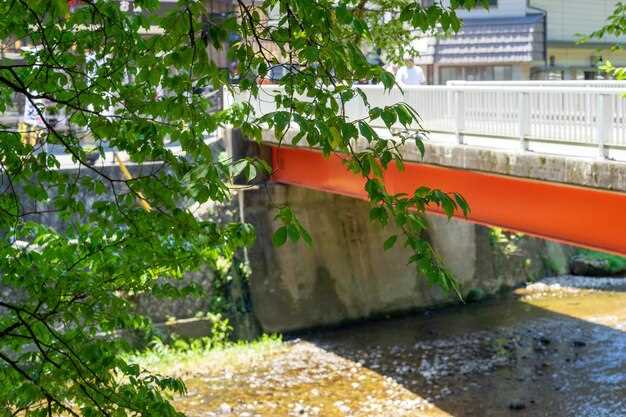
A good install does not just hold earth in place. It guides runoff into a planned route, maybe a swale, maybe a drain line, maybe a lower gravel bed where water can spread out and soak in safely. That part gets missed by DIY jobs all the time, and then a year later people are searching for how to fix a retaining wall after seeing lean, bulge, or washout near the ends. If you want somebody to look at the whole yard, not just stack block and leave, talk to a retaining wall contractor who deals with grading and drainage together. At Sungreen we have been building these since 1990, and this is the part I wish more homeowners took seriously at the start because fixing water after the build is always messier, and more expensive, than shaping it properly the first time.
Questions and answers:
Can a retaining wall stop flooding around my house, or does it only hold back soil?
A retaining wall is built first of all to support soil on a slope, but in some situations it can also reduce certain flooding problems. The key point is that a retaining wall does not work like a dam for general floodwater unless it is specifically engineered for water pressure. If your yard gets wet because rainwater rushes downhill, a properly designed wall with drainage stone, perforated pipe, weep holes, and a controlled outlet can help slow runoff, redirect water, and reduce erosion near the foundation. That may lower the chance of water pooling in one area. But if the issue is river flooding, storm surge, or a major overflow from a nearby drainage system, a standard retaining wall will not reliably keep water out. In those cases, water pressure can build fast, flow around the ends, seep under the base, or damage the wall. So the short answer is yes, a retaining wall can help with some site drainage problems, but it is not a universal flood barrier. The design has to match the type of flooding on the property.
What makes a retaining wall fail during heavy rain?
Most retaining wall failures during storms are linked to water trapped behind the wall. Soil becomes heavier when saturated, and hydrostatic pressure pushes hard against the structure. If the wall does not have proper drainage, that pressure can rise quickly. Common problems include missing gravel backfill, blocked weep holes, no drain pipe, poor footing, weak reinforcement, and construction on soft or moving soil. Another issue is runoff from roofs, driveways, or neighboring lots being directed toward the wall. That adds far more water than the wall was meant to handle. Freeze-thaw cycles can also open cracks and weaken sections over time. In some yards, the wall itself is strong enough, but the water finds a path around the sides and washes out the soil supporting it. That can lead to leaning, bulging, cracking, or sudden collapse. A wall meant to help with water needs more than strong blocks or poured concrete; drainage planning is what usually decides whether it holds up in bad weather.
Is a taller retaining wall better for flood protection?
Not automatically. A taller wall can hold back more soil, but that does not mean it gives better protection from flooding. Height increases the load on the wall and usually raises the risk if drainage is poor. For flood-related use, the real question is where the water is coming from, how fast it moves, and whether it can go around or under the wall. A low wall with proper grading, swales, catch basins, and subsurface drainage may do more for a property than a very tall wall placed in the wrong spot. If a homeowner builds a taller wall without studying water flow, the result can be worse pooling, pressure buildup, and damage to nearby structures. Taller walls also tend to trigger permit and engineering requirements because the structural demands rise sharply with height. So bigger is not automatically better. The wall has to be part of a full drainage plan rather than treated as a single fix.
Can I use a retaining wall to protect my basement from water intrusion?
A retaining wall may help, but it should not be the only line of defense for a basement. If the basement takes on water because the surrounding ground slopes toward the house, a retaining wall placed uphill can help reshape grade and manage runoff before it reaches the foundation. Still, basement moisture usually has more than one cause. Poor grading, clogged gutters, short downspouts, missing footing drains, wall cracks, and high groundwater can all contribute. A retaining wall does not seal foundation walls and does not remove groundwater pressure by itself. For that reason, basement protection usually works best as a group of measures: grading correction, gutter and downspout extensions, waterproofing or dampproofing on the exterior wall, footing drains or a French drain where suitable, and sump pump support if the site needs it. A retaining wall can be one useful piece of that plan, especially on sloped lots, but it is rarely enough on its own.
How do I know whether I need a retaining wall, a drainage system, or both for yard flooding?
Look at what happens during and after rain. If soil is sliding, a slope is slumping, mulch washes downhill, or one part of the yard is eroding badly, a retaining wall may be needed to stabilize the grade. If the ground stays soggy for days, water collects in low spots, or runoff from hard surfaces keeps flowing toward the house, drainage work is likely needed. In many properties, these problems appear together. A wall can hold grade in place, while drains, swales, channel drains, or catch basins move water away safely. One useful check is to map where water starts, where it collects, and where it can exit without causing damage. Also consider soil type: clay tends to drain slowly, while sandy soil behaves very differently. If flooding reaches the structure, if the slope is steep, or if a wall would be more than a few feet tall, site-specific design is the safer route. The best answer is often both: structural support for the slope and a drainage path for water.
Can a retaining wall actually stop flooding around a house, or does it only hold back soil?
A retaining wall is built first of all to resist soil pressure on a slope, but in some cases it can help reduce local flooding problems. The key point is that a wall does not automatically block water the way many homeowners expect. If stormwater is flowing across a yard, collecting at the base of a hill, or pushing through saturated ground, a retaining wall without drainage can make the situation worse by trapping water behind it. That trapped water adds pressure, causes cracks, leaning, and sometimes total failure.
What features should a retaining wall have if the goal is to help manage floodwater on a sloped property?
If flood control is part of the plan, the wall should be designed as part of a drainage system, not as a standalone barrier. A well-planned retaining wall may include gravel backfill, perforated drain pipe, filter fabric, weep holes, and a route that carries water away from the wall to a safe discharge point. In some yards, contractors also add swales, French drains, catch basins, or grading changes so runoff does not build up behind the structure.