
How to build a boulder retaining wall
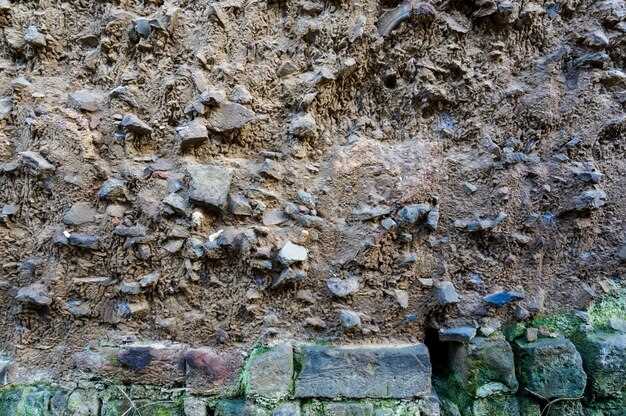
Big natural rock can make a grade change look settled and solid, like it belongs there instead of being forced into place. That is the part most people notice first. What they do not always see is how much prep sits under and behind those heavy pieces. If the footing is weak, if water has nowhere to go, if the first course is rushed, the whole thing can creep, lean, or open up over a couple of freeze-thaw cycles. I have seen that more than a few times around Calgary. The face still looks decent from ten feet away, then you get closer and the trouble starts showing. A lot of the same early planning applies across materials too, and if you are comparing options, this guide on how to build timber or wood retaining wall gives a useful contrast in approach.
Natural stone is not forgiving the way smaller manufactured units can be. Each piece has its own shape, its own weight, its own attitude really. You do not just set them down and hope they lock together. You need room to work, equipment that suits the size of the material, and a clear sense of where the load is going. Most of the time, at least, the trouble starts before the first rock is even placed. Homeowners tend to focus on the visible face, which I understand, but the base course and drainage layer are what decide whether the structure stays put. If you are sorting out materials for the foundation layer, this article on what size gravel to use for retaining wall base is worth your time.
At Sungreen, we have been putting together outdoor spaces since 1990, and grade support work has a way of teaching the same lesson over and over. Heavy stone can last a very long time, but only if the site is read properly first. Soil type, slope, runoff, access for machinery, height, all of it matters. For anything over four feet, we pull the City of Calgary permit and bring in an engineer because that is just the right way to handle it. No guessing. No shortcuts because the backyard “probably looks stable.” If you are still weighing material choices and supply sources around the city, you can also look at where to buy retaining wall blocks in calgary ab. Different product, sure, but it helps people understand what is available locally before they commit.
This article is here to walk you through the real work behind a natural stone grade barrier, from excavation and base prep to placement, backfill, and drainage. Not the glossy version. The version that holds up after a wet spring and a hard winter. If you are planning one for your place and want another set of eyes on the slope, Sungreen offers free consultations and 2D design samples, and yes, every completed project comes with a signed warranty and a dedicated warranty rep. That part matters more after the job is done, which is usually when people realise they should have asked about it sooner.
Stone Slope Support With Large Natural Rock
If you are planning a gravity-style barrier with big natural rock, the first thing to sort out is not the stone size or colour. It is the ground under it and the water behind it. I have seen plenty of yard projects where people get excited about the face material and barely think about excavation depth, buried base course, drain rock, or pipe. Then a wet season rolls through Calgary and the whole thing starts creeping outward a little at a time. A dry-stacked rock system works because of mass, batter, and drainage working together. Miss one of those and you are guessing. For taller assemblies, especially above four feet, we pull the City permits and bring in engineering at Sungreen because soil pressure does not care what someone watched online. If you are pricing out a retaining wall in Calgary, that part should be discussed early, not after digging has already started.
The trench matters more than most homeowners expect. You want undisturbed subgrade if possible, then a compacted gravel footing, not loose fill, not clay mush, not whatever was left from an old garden bed. The first row of rock gets buried partway, and yes, some people hate that because it feels like wasting good stone. It is not wasted. That buried course is what helps resist sliding and toe kick-out. Most of the time, at least. We also set each piece so it leans slightly back into the slope, and we avoid lining up vertical joints for long runs because straight seams can turn into weak points. Big gaps get chocked tight. Smaller voids are fine, sometimes helpful visually, but sloppy stacking is another story.
Drainage Behind the Rock Face
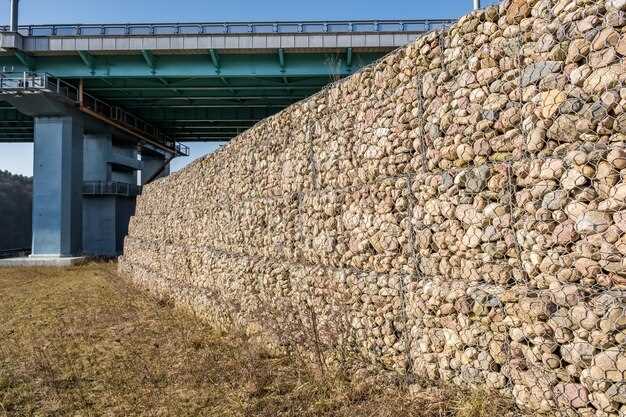
Backfill should be clean drain rock directly behind the stone, with filter fabric used where soil migration is a concern. I am careful with fabric placement because I have seen it wrapped the wrong way and create more trouble than it solved. A perforated drain line at the base is common practice on many sites, daylighted where the lot allows. Without that, trapped water adds pressure fast, especially during freeze-thaw periods. If your property is very steep and you are still weighing options, it may help to read how to landscape a steep slope without retaining walls. Sometimes a planted grade, terraced beds, or a different approach makes more sense than hauling in massive rock.
Stone selection is not just an appearance call. Shape controls stackability. Weight controls placement method. Some pieces lock in beautifully with two or three contact points and a flat bearing side, and some look great in the supplier yard but fight you the whole day once you try to seat them properly. We use equipment for larger material because muscle alone is a bad plan and a short route to broken corners, strained backs, and compromises nobody should make. If a section needs to hold a driveway edge, support a patio area, or manage a serious grade change near the house, the layout has to reflect that load. This is also where homeowners sometimes get a bit too optimistic about mixing methods. I get the thought process, a few big rocks here, a few bag systems there, maybe save some money. But different systems behave differently over time. If that idea is on your mind, read do concrete bag retaining walls last before deciding.
What a Solid Installation Usually Includes
At Sungreen, we have been doing this kind of exterior construction since 1990, and the jobs that last are usually the ones where the hidden work got the same attention as the visible face. Excavation, compaction, proper setback, drainage stone, pipe outlet, sensible stone placement, and grading above the slope so runoff does not pour straight behind the rock line. That is the stuff. If you want us to look at your site, we include free consultations and 2D design samples, and every finished project comes with a signed warranty and a dedicated warranty rep. You can reach us at (403) 256-7500. Not much to look at in that anchor, I know. Still, the real point is simple enough: heavy natural rock can hold beautifully for years, but only if the base and drainage are treated seriously from day one.