
How far should retaining wall be from house
One thing I see all the time is people getting excited about fixing a slope and not thinking enough about what that build does near the foundation. Soil pressure, drainage, frost, runoff, access for repairs later, all of it matters. If you place a grade-holding structure too close to the building, water has fewer places to go and the risk shifts right toward the basement. That is the part homeowners do not always love hearing, but it saves trouble. At Sungreen, we have been building outdoor spaces since 1990, and this exact spacing question comes up on site more than you would think. Most of the time, at least.
The answer is not one magic number. It depends on height, slope, soil type, where the downspouts discharge, and whether an engineer needs to review the plan. In Calgary, clay-heavy ground can make a small mistake feel a lot bigger after a wet season or a freeze-thaw cycle. If you are sorting out retaining walls in Calgary, you want the grading looked at as a whole, not just the block face. We do that on consultations because a nice clean install means very little if the water ends up trapped beside the footing.
I have also seen people focus on the visible pieces and miss the construction details behind them. They ask about block colour, cap style, whether the face is straight or curved, and then much later somebody asks do you have to glue retaining wall blocks. Fair question. But before adhesive ever enters the conversation, the bigger issue is base prep, drainage stone, geogrid where needed, and enough clearance so the structure is not crowding the building envelope. A lot of failures start underground. Quietly. Then one spring you notice movement and the repair bill gets real.
Another part of this topic is what else you plan to add nearby. People often want grading support, then a privacy barrier, then maybe steps, lighting, or a new patio tied into the same area. That is where spacing mistakes snowball. If you have ever wondered can I install a fence on a retaining wall, the answer connects right back to layout and structural planning at the start. Leave enough room, build for drainage, and the whole yard works better. For taller builds above four feet, we pull City of Calgary permits and bring in an engineer. That is just the proper way to do it. If you want us to look at your site, Sungreen includes free consultations and 2D design samples, and yes, every finished project comes with a signed warranty too.
How Far Should Retaining Wall Be from House
If you are planning a soil-holding structure near your home, the first thing I look at is not the block style. It is drainage and pressure. A lot of people want a nice raised bed or a grade change tucked right up close to the foundation because it looks tidy on paper. On site, that can go sideways fast. Soil kept too close to the building can trap moisture, load the ground beside the footing, and make repairs miserable later. Most of the time, at least, you want enough open space to manage waterproofing, window wells, downspouts, grading, and plain old access. There is no one magic number for every property in Calgary, but if somebody says you can stack masonry right beside the basement and call it good, I would not trust that advice for long.
Setback depends on height, slope, and water movement. A low garden edge may not need much separation. A taller support system is a different animal. Once the build gets over four feet, we pull City of Calgary permits and bring in an engineer. That is standard at Sungreen, not an upgrade somebody talks you into later. If the grade pitches toward the foundation, you may need more room than you first expected, because gravel backfill, drain pipe, and surface runoff all need somewhere to go. I have seen plenty of yards where the real issue was not the blocks at all, it was trapped water and no escape path. If an older structure is already leaning or bulging, this guide on how to fix a retaining wall gives a decent picture of what usually goes wrong.
What spacing often looks like on real jobs
For many residential projects, a few feet of clearance between the home and the grade-support build gives you breathing room for drainage stone, membrane access, maintenance, and safer excavation. Well, usually anyway. Tight sites exist, and sometimes you work with what the lot gives you, but tight sites need more planning, not less. Window wells, utility lines, air conditioner pads, deck posts, and eaves discharge all change the answer. This is why free consultations help. We can sketch a 2D concept, walk the lot with you, and tell you pretty quickly whether the idea is sensible or whether the plan needs to move outward a bit before money gets spent in the wrong place.
Material choice also changes the spacing conversation more than homeowners think. Some systems need a wider reinforced zone behind them, while others can suit smaller grade changes better. People ask me all the time can I use pavers for a retaining wall, and my answer is, not every paving product is made to hold back soil safely. A nice-looking unit is not the same thing as a structural one. If the wrong product gets used near the foundation, you can end up with movement, water issues, and a repair bill that eats up whatever you saved at the start. That signed warranty we give on completed work matters for a reason.
Little details at the ends matter too
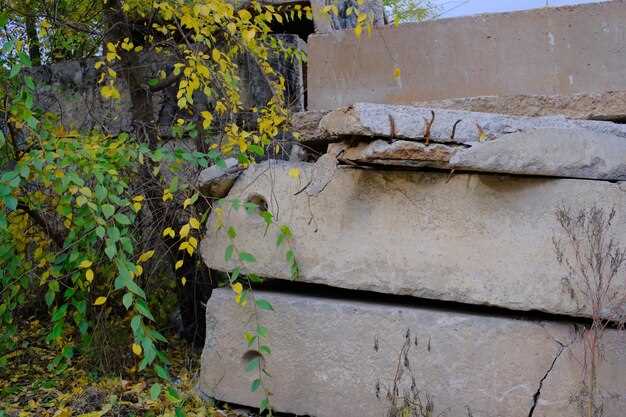
One part people forget is the termination. The end of the build cannot just stop awkwardly where grade is still active, especially near steps, side yards, or a narrow passage beside the building. That last section affects erosion, runoff, and whether the whole thing looks finished or half-thought-out. If you are weighing options, this piece on how to end a block retaining wall is worth a read. We have been building outdoor spaces since 1990, and the jobs that hold up best are the ones where spacing, drainage, and finishing details all get sorted together. If you want us to look at your property in Calgary or Rocky View County, call Sungreen at (403) 256-7500. Better to measure twice now than dig twice later.
Questions and answers:
How far should a retaining wall be from a house foundation?
There is no single distance that fits every property, because the safe setback depends on wall height, soil type, drainage, slope direction, and foundation depth. A small garden wall may be placed much closer than a tall structural wall holding back a large amount of soil. On many residential sites, builders try to keep a retaining wall several feet away from the house so water pressure, soil movement, and excavation do not affect the foundation. A common rule used in planning is to leave at least a distance equal to the wall height, or more if the wall is tall or the soil is weak. For example, a 4-foot wall may call for about 4 feet of separation, while a higher wall may need a larger gap and an engineered review. If the wall is uphill from the house, drainage becomes a major issue because water can collect behind the wall and move toward the home. If it is downhill, the concern is whether excavation could reduce support near the footing. The safest path is to have the site checked by a local engineer or contractor familiar with soil and building code in your area.
Can I build a retaining wall right next to my house if I only need to hold back a small slope?
It may be possible, but it is often a bad idea unless the design has been checked carefully. A wall placed very close to the house can trap water, limit access for repairs, and create pressure against the area around the foundation. Small slopes can look harmless, but the problem is usually not the soil alone — it is water moving through the soil after rain or irrigation. If the wall is too close, there may be no room for drainage stone, perforated pipe, waterproofing work, or future maintenance. Another issue is construction access. Digging for the wall base near the home can disturb soil that helps support the footing. If the wall is short and decorative, and it does not retain much load, the risk may be lower. If it supports more than a slight grade change, the project should be treated as structural work. Before placing the wall next to the house, check footing depth, downspout discharge, grading, and where water will go after storms.
What problems happen if a retaining wall is built too close to the house?
Several things can go wrong. Water is usually the first issue. Retaining walls hold soil, and wet soil gets heavy and pushes harder. If drainage behind the wall is poor, that water may move toward the basement or crawl space. You can end up with damp walls, leaks, mold, or frost-related damage in cold climates. Another problem is surcharge load, which means the house and nearby ground add extra pressure to the retained soil and the wall itself. A wall that might work fine in an open yard can fail sooner if it is too near a structure. There is also the risk of settlement. Excavation for the wall base can loosen or remove support near the foundation, especially on older homes or sites with soft or poorly compacted soil. In some cases, the wall may lean, crack, or bulge; in others, the house may show signs such as sticking doors, drywall cracks, or uneven floors. Poor access is another practical issue. If the wall is too close, repairs to waterproofing, siding, utilities, or foundation cracks become more difficult and expensive.
Does the height of the retaining wall change how far it should be from the house?
Yes. The taller the wall, the more soil it holds, and the greater the pressure and drainage demands. A low wall used for minor grade shaping may have modest loading, while a tall wall can become a structural feature that affects nearby buildings. Height also changes the size of the footing or base, the amount of drainage stone needed, and whether reinforcement such as geogrid is required. As wall height increases, the area of soil influenced by the wall gets larger, so placing it near a house becomes more risky. This is one reason many designers use larger setbacks for taller walls rather than keeping the same distance for every project. Local code may also set permit or engineering thresholds based on wall height, often around 3 to 4 feet, though the exact number varies by location. If a wall is uphill from the home and more than a few feet tall, the design should account for runoff, hydrostatic pressure, and how water exits the site without pooling near the foundation.
Who should check the placement of a retaining wall near my house: a contractor, structural engineer, or landscaper?
For a wall near a house, especially one that holds back more than a small amount of soil, a structural or geotechnical engineer is often the best person to confirm safe placement. A contractor may be skilled in building walls, but the setback from the house should be based on soil behavior, footing location, drainage, and load conditions, not only on appearance or convenience. If the property has clay soil, a steep slope, a basement, signs of water intrusion, or an older foundation, an engineer’s review is a smart step. A good contractor can then build from those plans and adjust details to site conditions. A garden designer may help with grading and appearance, but walls near foundations are not just decorative features. They can affect the stability of the home. If you are trying to decide whether your project needs engineering, ask your local building department about permit rules, wall height limits, and required setbacks. That will tell you whether the job is treated as structural work in your area.