



Can I use pavers for a retaining wall
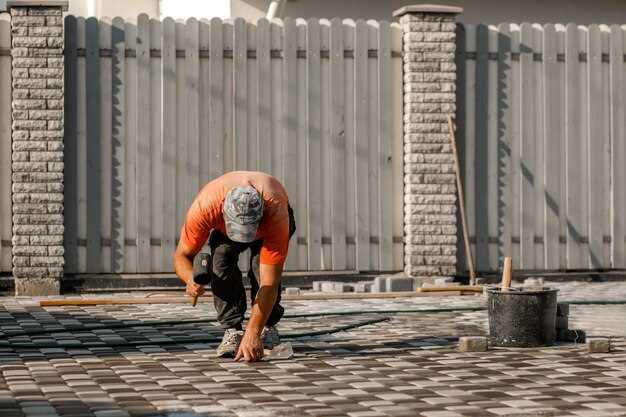
I’m Greg at Sungreen Landscaping Inc here in Calgary, and I’ve watched a lot of yards get “fixed” with leftover patio stones stacked into a little grade break. It looks fine the day you finish it. Then winter hits, the ground heaves, water sits where it shouldn’t, and that neat line starts to belly out. You’re not alone if you’re wondering whether patio stone units can actually handle a soil-holding job, or if you’re setting yourself up to rebuild it next spring. how to build a block retaining wall
The short version is this: the face material matters, but what’s behind it matters more. I’ve seen decent-looking stonework fail because there was no drain rock, no filter fabric, and no proper base, just dirt pushed back and hope holding it together. If your grade change is on a hill, that pressure ramps up fast, and the details get picky, fast. how to build a retaining wall on a slope
Some people compare options like brick, segmental block, or bagged concrete because they’re trying to keep costs down, or they’ve got material sitting in the garage. I get it. We’ve built all of it over the years, and each one has a place, but durability comes down to frost, drainage, and how the courses lock together, not just what the front looks like from the sidewalk. do concrete bag retaining walls last
Ending the run cleanly is another spot where DIY jobs go sideways. Corners, steps, returns, caps, tying into a fence post, that’s where movement shows first, because the structure wants to spread and those ends take the hit. If you’re planning a tidy finish, you’ll want to think about that before you lay the first course, not after. how to end a block retaining wall
And yes, sometimes brick is the look you’re after, especially on older homes around Calgary where it matches the house nicely. Brick can work, but it’s not a magic answer. Without proper base prep and a plan for water, it turns into a repair story pretty quickly. how do you build a brick retaining wall
If you want someone to look at your grade, drainage, and what material you’ve got on hand, that’s what we do at Sungreen, from design through full build, and we’ve been doing it since 1990. We include free consultations and 2D design samples, and every completed project comes with a signed warranty and a warranty rep assigned to it. Call (403) 256-7500 if you want to talk it through.
Building a Grade-Change Structure with Concrete Setts
Yes, those concrete setts you see on patios and walkways can be stacked to hold back soil, but only if you treat it like a real grade-change structure and not a weekend pile of blocks. I have seen plenty around Calgary that look fine in July and then the first freeze-thaw season starts pushing things around, and you get gaps, a belly in the face, then a slow tip. If you are already seeing movement, read this first: can you fix a leaning retaining wall.
The big difference is what you do behind the face. You need a proper crushed rock drainage zone, filter fabric so the fines do not clog it, and a way for water to get out, otherwise the soil turns into a heavy sponge and starts shoving. I know homeowners like to pick the stone first and think about the base later because the stone is the fun part, but the base and the backfill are what decide if it stands straight after a couple of winters, most of the time anyway.
Height matters too. A small garden step, fine. Anything taller and you should be talking about geogrid, stepped setbacks, and sometimes engineering. At Sungreen Landscaping Inc (we have been building outdoor spaces since 1990) we handle the design and build side, and for anything over four feet we pull the City of Calgary permits and bring an engineer in, no shortcuts. If you want to see how we approach this kind of work on real projects, take a look at landscaping and retaining walls, or call us at (403) 256-7500 and we will do a free consult and a simple 2D concept so you are not guessing.
Which Types of Paving Units and Block Systems Are Suitable for a Grade-Change Structure (Segmental Blocks vs. Patio Units)
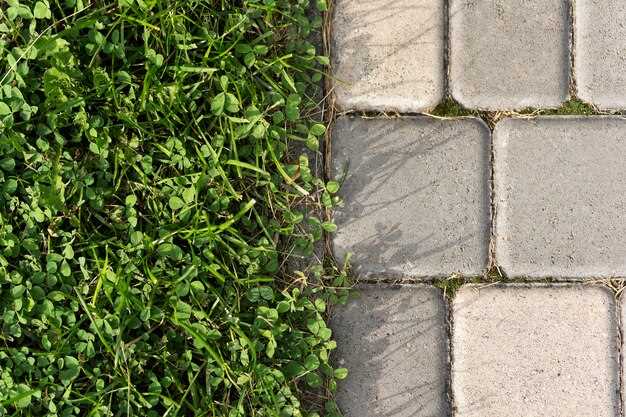
On jobs around Calgary I see two categories of hardscape pieces that homeowners mix up all the time: thin patio units meant to sit flat on a base, and segmental block systems engineered to hold back soil. They look similar in photos, but they behave very differently once freeze-thaw and wet clay get involved.
Segmental units are the ones with some heft and a mechanical way to lock together. That “lock” might be a rear lip, a tongue-and-groove profile, pins, or a channel that accepts a connector. The whole point is that each course ties into the next so the face acts like one mass, not a stack of individual pieces. I have pulled apart failed DIY builds where the pieces were basically just bricks with nice texture, no connection, no drain rock, and the first spring melt nudged the face forward a little, then a little more.
Patio units, the thin flat ones, are made to spread loads over a wide area, not resist lateral pressure. Put them upright and you are asking a 50 to 60 mm slab to behave like a structural block. Sometimes people get a short garden edging to stand up for a season, sure. Then you see the corners chip, the joints open, and the line starts to snake because there is nothing in the unit’s design that wants it to stay vertical.
If you are choosing between segmental systems, pay attention to depth and setback. A deeper unit gives you more weight and more bearing area on the base. A built-in setback, where each course steps back slightly, helps the face lean into the soil pressure instead of away from it. Most of the time, at least, the systems that go up faster are the ones that have repeatable geometry so the crew is not “inventing” a structure one block at a time.
There are also large-format concrete units and big natural stone that can work, but those are a different animal. They rely on sheer mass, careful base prep, and the right equipment. I have watched people try to manhandle big pieces without proper gear and it turns into a safety issue quick. On commercial sites we bring in machinery, set each piece properly, and keep the drainage clean because you do not get a second chance once that weight is down.
Whatever unit you pick, the back-of-structure details matter more than the face texture. Drain rock, filter fabric, and a proper outlet for water are what keep hydrostatic pressure from building. Honestly, a lot of failures I have seen were not because the block was “bad”, it was because there was wet soil packed tight right behind it, like someone thought gravity was optional.
Height changes the whole conversation. If you are over 4 feet, City of Calgary permits and an engineer are part of doing it properly, and at Sungreen we handle that side of it so you are not guessing. We have been building outdoor spaces since 1990, and the taller structures are where small shortcuts show up as big movement later.
If you want to talk through which system fits your yard, bring photos and a rough height measurement and we will sort it out during a free consult and a 2D design sample. We build the structure and the surrounding hardscape as one project, and every job goes out with a signed warranty and a warranty rep who is actually reachable. Call (403) 256-7500 or check sungreen.net if you want us to have a look.
Q&A:
Can I build a retaining wall using regular concrete pavers from my patio?
Yes, but only for small walls and only if the pavers are suited to the job. Standard patio pavers are made for flat, supported surfaces; a retaining wall has lateral soil pressure pushing on it. For a low garden edge (often around 12–18 in / 30–45 cm), you can stack pavers with a solid compacted base, proper backfill, and drainage. For taller walls, switch to retaining-wall blocks or a wall system rated for retaining use. If you want to use pavers you already own, check thickness, surface wear, and whether they can be mechanically connected or securely bonded. The biggest failure causes are a weak base and poor drainage, not the block itself.
How high can a paver retaining wall be before it becomes risky?
There isn’t one universal safe height because soil type, slope, water, and wall design change the loads a lot. As a practical rule for homeowners, a paver-built wall is best kept low—often under about 2 ft (60 cm)—unless you’re using a purpose-made retaining wall system with reinforcement (geogrid) and the site is assessed. Many areas also require permits or engineering above certain heights (commonly around 3–4 ft / 0.9–1.2 m, sometimes lower if the wall supports a driveway, structure, or steep slope). If you see bulging, leaning, or washed-out soil behind the wall, treat it as a drainage and stability issue and redesign rather than stacking higher.
Do I need mortar or glue between pavers for a retaining wall?
Most segmental retaining walls are built dry-stacked, not mortared. Dry stacking allows small movements without cracking and works well with a compacted base and interlocking units. If you’re using pavers that don’t interlock, a masonry construction adhesive can help keep the cap course stable and reduce small shifts in the upper rows. Mortar is usually a poor match for this type of wall because water and soil movement can crack the joints, and repairs become messy. If you choose adhesive, use one rated for outdoor masonry and apply it to clean, dry surfaces, mainly on the top/cap pieces rather than every course.
What drainage details matter most if I use pavers for a retaining wall?
Drainage is what keeps the wall from being pushed outward by water pressure. Behind the wall, place a zone of clean crushed stone (not soil) so water can move freely. Add a perforated drain pipe at the base of that stone zone, pitched to daylight or to a proper outlet. Use a filter fabric between native soil and the stone to slow down silt clogging the rock. Avoid using rounded pea gravel for the main drainage zone; angular crushed stone locks together and drains better. If water has nowhere to exit, it will build pressure and you’ll get leaning, cracking, or a sudden blowout after heavy rain or snowmelt.


