

Why do retaining walls fail
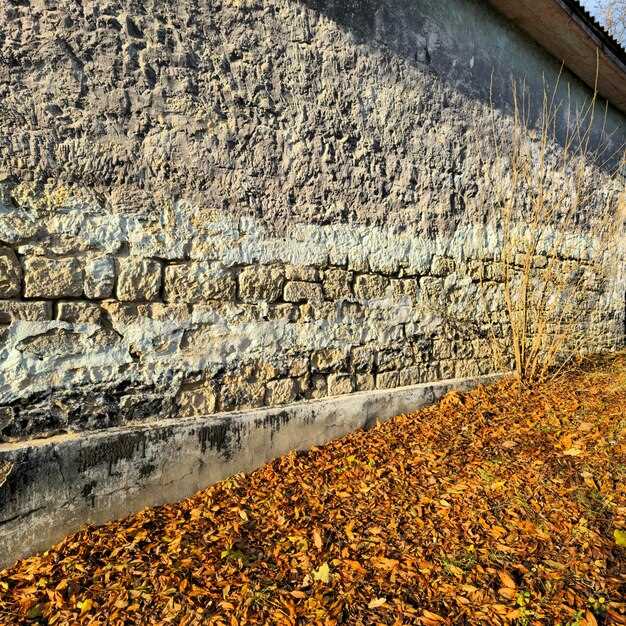
I’ve seen a lot of yard support structures start going wrong for reasons that were pretty avoidable. Not always right away, either. Sometimes they look fine the first year, then Calgary winter gets at them, water sits where it should not, the soil swells, and the face begins to creep forward a little at a time. You notice a lean, a crack, maybe one course shifting out from the rest. Homeowners usually ask about appearance first, which makes sense, but long-term performance is what decides whether a project stays put. If you have also been wondering do retaining walls add value to your home, the answer depends a lot on whether the structure was planned and built to last.
A big part of the trouble starts below grade where you cannot see it. Bad base prep, weak backfill, no compaction, too much weight above the structure, all of that catches up eventually. Then there is water, which is the one that causes the most grief on real job sites. I’ve walked into plenty of rebuilds where the block itself was decent enough, but there was nowhere for moisture to go. That is usually where the problems begin. If you are reading up on how to build retaining wall with drainage, you are already looking at one of the biggest parts of getting it right.
Another thing that gets overlooked is how the ends are treated and how the whole run ties into the yard around it. Corners, step-downs, exposed terminations, those are weak spots if they are rushed. People get focused on the main face and treat the finish details like an afterthought. I would not, personally. Most of the time, at least. A poor ending can let movement start sooner than you think, especially after freeze-thaw cycles and spring runoff. There is a reason so many homeowners search for how to end a block retaining wall after they realise the last few feet are not as simple as they looked.
At Sungreen, we’ve been building outdoor spaces since 1990, and the pattern is pretty consistent. The structures that hold up are the ones planned with soil pressure, drainage, height, and permit rules in mind from day one. For anything over four feet, we pull the City of Calgary permits and bring in an engineer, because guessing is how expensive repairs start. If you are looking at a new build or a rebuild, talking to a retaining wall contractor early can save you a pile of trouble later. Free consultations help with that, and yes, having a signed warranty matters more than people think once a yard starts moving.
Why Do Retaining Walls Fail

Most of the blowouts and lean-outs we see are not about the block itself. They come from what is hiding behind it. Bad base prep, no drain rock, no pipe, fabric skipped, clay shoved right up against the back. Then Calgary gets a hard rain or spring melt and the pressure builds fast. You might notice a slight bow first, or one course slipping out of line, and then the whole thing starts moving forward a little more every season. If you are reading up on how to build a retaining wall, pay close attention to the boring parts, because those are the parts that keep the structure standing.
Water is the big one. It almost always is. Soil on its own pushes, but wet soil pushes a lot harder, and freeze-thaw makes it worse. I have been on jobs where the face looked fine in autumn and by April there was a crack running through the middle and a section kicked out at the bottom. Homeowners often think the problem started that week. Most of the time it started years earlier with trapped moisture and a missing outlet. You do not always get a dramatic collapse either. Sometimes it is a slow ugly creep, enough to ruin steps, fences, paving, all of it. If you are tying grade changes into access routes, this matters a lot with how to build steps stairs with retaining wall blocks, because stairs hate movement. One side settles, the risers go off, and now it is not just ugly, it is unsafe.
Small shortcuts turn into big repairs
Another cause is poor connection between courses, or the wrong belief that gravity alone will sort everything out. Sometimes it does for a short garden bed, sure. Then winter hits, the soil swells, and the top rows start walking. People ask us about adhesive all the time, and the answer depends on the block, the height, the layout, and whether there is geogrid involved. The question in do you have to glue retaining wall blocks comes up for a reason. Glue has its place. It just does not replace proper base work, setback, drainage, and reinforcement. Well, usually anyway.
Height gets people too. A lot of do-it-yourself jobs look manageable at three feet, so the owner keeps going and adds another course, then another, because it still seems fine standing there on a sunny Saturday. Past four feet, that is a different animal. At Sungreen, if the build is over four feet, we pull the City of Calgary permit and work with an engineer. No guessing. No hoping. We have been building outdoor spaces since 1990, and one thing that has not changed is this: tall structures need proper design. If someone tells you engineering is overkill for a big slope, I would be careful. That is often the same job where we get called later to rebuild the whole thing, and rebuilding never costs less than building it right the first time.
Money questions usually show up after the movement starts
Once there is a tilt, cracking, or a full collapse, the next thing you ask is who pays for it. Fair question. A lot of owners assume their policy will handle any yard structure issue, but coverage depends on the cause, the wording, and whether the damage came from a sudden event or long-term construction problems. That is where do homeowners insurance cover retaining wall becomes a real question, not just something you search out of curiosity. If you are seeing movement now, get it looked at before more rain or another freeze cycle makes it worse. We do free consultations and 2D design samples, and every completed project comes with a signed warranty plus a dedicated warranty rep. If you want us to take a look in Calgary or Rocky View County, call (403) 256-7500.
How Poor Drainage Behind a Retaining Wall Leads to Hydrostatic Pressure and Cracking
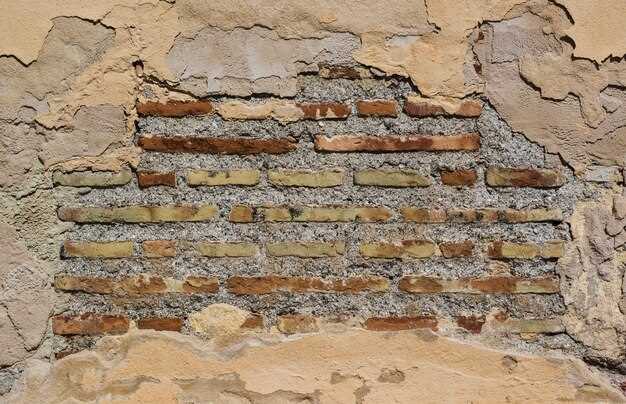
Most cracking does not begin at the face of the structure. It begins out of sight, in the wet soil packed behind it. When water has nowhere to go, it fills the voids in the backfill and starts pushing outward. Dry soil is heavy enough. Saturated soil is a different animal. You get added weight, added force, and a steady shove against the masonry, timber, or concrete. At first you may only notice a hairline split or a slight bow. Then winter hits Calgary, the trapped moisture freezes, expands, and those small defects turn into real damage.
I have seen plenty of garden support structures built with nice-looking block on the front and almost no thought put into what sits behind them. No clear stone drainage layer. No pipe at the base. No fabric separating clay from gravel. Just excavated dirt tossed back in and tamped a bit. That setup can look fine for a while, which is part of the problem. You think it is holding. Then a wet spring comes through and pressure starts building up where you cannot see it. The face begins to separate, cap units shift, and corners are often the first place you spot trouble. Most of the time, at least.
What trapped water usually does
- Creates lateral force that the structure may not have been built to resist
- Washes fines out of the soil and leaves weak pockets behind the face
- Raises the chance of freeze-thaw movement during cold months
- Shows up as cracking, leaning, bulging, or settlement near the base
Hydrostatic pressure is just water pressure, but people tend to underestimate it because water does not look threatening when it is hidden in soil. If your yard has clay, that risk goes up fast because clay drains slowly and holds moisture longer. Add a downspout pointed the wrong way, or a low area that collects runoff, and now the structure is being loaded after every decent rain. If you are also planning nearby features, spacing and water management need to be looked at together. We get asked things like can you build a pool next to a retaining wall, and the real answer often comes back to drainage and soil loading before anything else.
The cracking pattern tells a story. Vertical splits can mean differential movement. Stair-step cracks through block joints often point to uneven pressure and shifting below. A forward lean with gaps opening near the back edge, that is one I do not like seeing, because it usually means the mass of wet fill is winning. Well, usually anyway. Homeowners sometimes patch the visible crack with mortar or sealant and hope for another few years. I get the instinct. But if water is still trapped behind the assembly, the cosmetic repair does almost nothing except hide the warning signs for a bit.
What proper drainage usually includes
- Free-draining gravel directly behind the structure instead of heavy native clay
- A perforated drain pipe at the base, sloped to discharge properly
- Filter fabric placed so soil does not migrate into the gravel and clog it
- Surface grading that sends rainwater away, not back toward the supported slope
- Careful compaction in lifts, because loose backfill settles and creates new water paths
At Sungreen, this is the part we spend time on during planning because rebuilding one of these is a lot more expensive than getting the base and drainage right the first time. We have been building outdoor spaces since 1990, and the pattern repeats itself. The jobs that last are not always the flashiest ones. They are the ones with the boring parts done properly. For anything over four feet, we pull the City of Calgary permit and work with an engineer. That is how it should be. You can call us at (403) 256-7500 if you want us to look at cracking, leaning, or soggy areas behind a garden support structure. Free consultations and 2D design samples are included, and every completed project comes with a signed warranty and a dedicated warranty representative.
If you already see movement, do not wait for a big rain to make the decision for you. Early signs are easier to deal with than a section that gives way all at once. Sometimes the fix is improving discharge and rebuilding part of the backfill zone. Sometimes the whole thing has to come apart and be rebuilt with the right aggregate, pipe, fabric, and base prep. There is no magic trick there. Water has to escape, or it will keep pushing until the cracks come back.