
How to fix a retaining wall
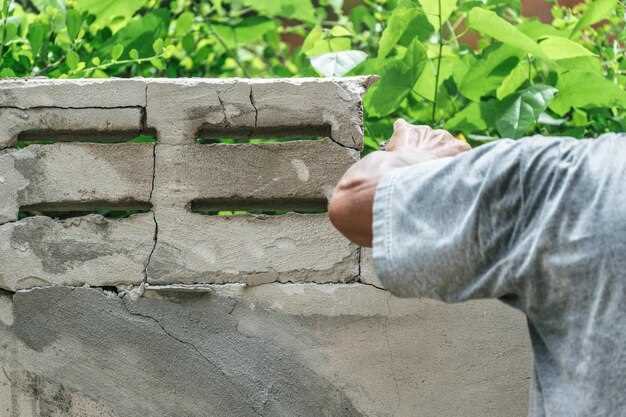
You notice it slowly. A concrete face that no longer sits straight. Blocks that seem to creep forward after spring melt. In Calgary, freeze and thaw have a way of showing weaknesses early. You might walk past it for months, then one day it feels different. I have seen homeowners pause, look twice, and wonder if it is already too late. Usually, it is not.
Most soil holding systems break down for simple reasons. Poor drainage. Added weight from wet clay. Shallow bases that never went deep enough below frost. You do not need a background in construction to spot the early signs. Gaps between units. Hairline cracks that grow wider by fall. A slight lean that was not there last year. These are common around older yards across the city.
At Sungreen Landscaping Inc, we work with these structures every season. Some need partial rebuilding. Others only need pressure relief and better water control. I think people are often surprised by that. They expect demolition, noise, and weeks of mess. Sometimes the solution is smaller. Redirecting runoff. Replacing a few failed sections. Resetting stone that shifted after a hard winter.
This guide is written for you, the homeowner who wants clear direction before calling anyone. You will see what usually goes wrong, what can be corrected, and when replacement makes more sense than patchwork. Calgary conditions shape every step. Depth matters. Drainage matters more. If your yard is showing signs of movement, reading a bit now can save you money later.
Stabilizing a Ground Support Structure That Has Shifted
You usually see the problem after winter. The soil swells, water has nowhere to go, and the structure meant to hold everything back begins to move. You might notice a lean of a few centimetres or gaps between blocks. That moment matters. If you wait another season, the repair scope often grows. I have seen that happen more than once around Calgary.
The first step is pressure relief. Most failures come from trapped water. When moisture builds up behind the structure, weight increases fast. Adding or clearing gravel backfill and restoring drain paths can stop movement almost right away. In many yards, this alone prevents further shifting. It feels almost too simple, yet it works.
Resetting displaced blocks and footing support
If units have slid forward, they need to come out. There is no shortcut here. Remove the affected rows, clean the base, and check depth. In this region, anything under 1.2 metres risks frost heave. That number surprises homeowners. Resetting on compacted gravel changes everything. You regain alignment and reduce future movement.
For block systems, construction details matter. Cap stones, setback lips, and grid placement all play a role. If you are unsure what correct assembly looks like, this guide on how to build a block retaining wall lays it out clearly. Even if you are not rebuilding fully, it helps you spot mistakes.
When partial rebuilds make sense
Sometimes only one section fails. Tree roots push from the side. A downspout dumps water where it should not. In those cases, rebuilding ten feet instead of forty saves time and cost. At Sungreen Landscaping Inc, we suggest targeted work when possible. It keeps your yard intact and avoids unnecessary disturbance.
If you are standing there wondering whether this is manageable, you are not alone. Many homeowners feel unsure at first. With the right steps, most ground support systems can be corrected before they reach a breaking point.
Diagnosing Movement, Cracks, Bulging, and Leaning Causes
You usually spot trouble slowly. A line that was straight last year now drifts forward. Small fractures appear after spring thaw. Many homeowners tell us they noticed something felt off but could not name it. That hesitation is normal. These structures rarely fail all at once.
Movement almost always links back to pressure behind the structure. Soil expands when saturated. Clay holds water longer than people expect. In Calgary, freeze and thaw cycles add stress year after year. If the base or drainage was undersized, signs show early.
- Horizontal cracks often point to soil load pushing outward.
- Vertical cracks tend to follow frost movement or base settlement.
- Bulging sections usually mean trapped moisture and poor drainage.
- Leaning forward suggests the footing depth was not enough for local frost levels.
Walk the length of the structure and look at alignment. Stand back. Sight along the top edge. A shift of even 20 to 30 millimetres across a few metres matters. I think people underestimate that. Small changes add up fast.
Water sources deserve close attention. Downspouts aimed toward the soil face cause repeat failures. Sloped yards without surface runoff control do the same. Snow piles left to melt against the structure add weight in spring. These details explain why two similar yards age very differently.
- Check for pooling water after rain or melt.
- Look for washed out soil at the base.
- Press on loose blocks or stones to feel movement.
If you want to see examples of local construction and common failure patterns, review projects like this retaining wall in Calgary. Local conditions shape design choices more than most guides admit.
Once you understand the cause, the next step becomes clearer. Some issues stop with drainage work. Others point toward partial rebuilding. Diagnosis sets the direction. Without it, repairs rarely last.
Stabilizing a Failing Grade Support System with Drainage and Backfill Changes
Most breakdowns begin behind the structure, not in front of it. Water builds up in the soil, pressure rises, and the system shifts forward. You might think the blocks or concrete are the problem. Often they are not. The real issue sits out of sight.
Drainage comes first. Without a clear path for water to escape, no repair lasts long. In Calgary yards, snowmelt causes more trouble than rain. I have seen systems move several centimetres over one winter. That surprises people.
Improving water control behind the structure
Check what sits behind the face. Dense soil traps moisture. Gravel lets it pass through. A basic drainage setup usually includes clear stone, filter fabric, and a perforated pipe set to daylight or a sump point. If any part of that chain is missing, pressure builds again.
You can look for clues without digging everything up. Wet patches that never dry. Soil washing out at the base. Ice forming in odd spots during cold snaps. These signs point to blocked or missing drainage.
Correcting backfill to reduce soil pressure
Backfill depth and material matter more than most people think. Clay backfill adds weight when saturated. Replacing it with clean gravel reduces load right away. Compaction matters too. Loose fill settles and pulls the structure forward over time.
If work goes beyond surface changes, local rules may apply. Before larger adjustments, it helps to check guidance like do i need a permit for a retaining wall. Calgary has clear thresholds, and it avoids problems later.
At Sungreen Landscaping Inc, we often see stability return once water and backfill are corrected. It does not always require rebuilding. Sometimes it just needs space for water to move and soil that behaves better through freeze and thaw.
Rebuilding Damaged Sections with New Footings, Anchors, and Block Replacement
Sometimes repair work reaches a point where patching no longer holds. Sections crack through. Units shear apart. At that stage, selective rebuilding gives better results. You do not need to replace the entire structure. Targeted work often solves the issue.
The base sets everything. If the footing failed, nothing above it stays straight for long. In Calgary soil, depth matters more than people expect. Anything shallow shifts during freeze and thaw. Recutting the trench, adding compacted gravel, and resetting the base restores stability. It is slow work. It pays off.
Anchors and reinforcement choices
For taller grade support systems, anchors help manage soil load. Deadman anchors or geogrid layers tie the structure back into stable ground. You might not see them once installed, yet they carry much of the load. Skipping this step causes repeat movement. I have seen that more than once.
If you want a clear overview of proper assembly methods, this guide on how to build a retaining wall shows correct footing depth, reinforcement spacing, and block layout. It helps you understand what should be there, even if you hire the work out.
Replacing damaged blocks and sections
Cracked or shifted units need removal. Reusing damaged material rarely works. New blocks seat better and align faster. Matching size and setback profile keeps the structure uniform. Small mismatches stand out once everything is back in place.
At Sungreen Landscaping Inc, we focus on section-by-section rebuilding where possible. It limits disruption and controls cost. You can see examples of finished systems on our landscaping retaining walls page. Each project starts with what failed, not with assumptions.
If you are unsure whether rebuilding makes sense, that pause is fair. Some structures respond well to partial work. Others ask for more. Clear inspection and solid base work usually point to the right choice.
Questions and answers:
What signs indicate that my soil support structure is moving?
Look for small cracks along the surface or between blocks, sections leaning forward, or bulges where soil pressure is high. Even minor shifts, like a few centimetres over a few meters, can signal movement. Uneven gaps, soil washing out at the base, or pools of water behind the structure are also warning signs. Observing these early helps prevent larger issues and guides whether repairs or reinforcement are needed.
Can drainage adjustments prevent further displacement?
Yes. Most movement comes from trapped water behind the structure. Adding gravel backfill, clearing blocked pipes, or installing perforated drainage can relieve pressure quickly. In many cases, proper water management stops sections from shifting further. Homeowners often notice that soil stops bulging after addressing these drainage paths, which can delay or reduce the need for full rebuilding.
When should I consider replacing blocks instead of just resetting them?
If units are cracked, chipped, or have lost alignment, replacement is better than resetting. Reusing damaged material can lead to ongoing shifts and uneven surfaces. New blocks provide consistent size and shape, making it easier to maintain alignment and proper setbacks. In areas with frost heave, using undamaged units ensures the structure holds its form over several winters.
Do I need special permits for reconstructing sections of my soil support system in Calgary?
Yes, for higher or structural sections, municipal rules may apply. Checking local guidelines before work helps avoid fines and ensures compliance. A useful resource is this do i need a permit for a retaining wall guide. Even smaller projects can benefit from verifying limits on height, proximity to property lines, and drainage requirements.
How can anchors and reinforcement improve stability?
Anchors, such as deadman supports or geogrid layers, tie the structure back into stable soil, helping manage lateral pressure. They are especially important for taller installations or sections holding wet soil. Even if the base is solid, adding anchors distributes weight more evenly and prevents forward creep. Many homeowners are surprised how much a few properly installed anchors reduce movement.
What are the first steps I should take when sections of my soil support structure start leaning?
Start by inspecting the entire installation. Walk along the top and sight along the face to identify shifts, bulges, or gaps between units. Check behind the structure for trapped water or signs of erosion. Small movements can be addressed with better drainage, like clearing perforated pipes or adding gravel backfill. If blocks are cracked or footing has moved, removal and partial rebuilding may be necessary. Always consider local rules before deeper work, as permits may be required. Simple observation combined with small corrections often prevents further deterioration before larger reconstruction is needed.