
What is a retaining wall

You notice it when soil starts to shift, maybe after spring melt or a heavy rain. The ground moves, patios tilt, fences lean. At that point, you start looking for a solid way to hold earth in place. That is where a built support system steps in. It creates a firm edge that keeps soil where it belongs and gives your yard a clear, usable shape.
In Calgary, freeze and thaw cycles add pressure year after year. I have seen yards that looked fine in summer and then changed by April. If your property sits on a slope, or if one area sits higher than another, you need something stronger than grass or gravel. A properly planned structure can separate grades, protect nearby features, and reduce ongoing repairs. It also helps manage runoff, which matters more than many homeowners expect.
You might wonder if this kind of build fits your space. It often does. Driveway edges, garden beds, walkout basements, even small side yards can benefit. The key is matching the build to soil type, height, and drainage. At Sungreen Landscaping Inc in Calgary, projects usually start with a site walk. You talk through how you use the space, what has failed before, and what you want to avoid repeating.
If you are weighing options, think about long term upkeep and local conditions. Materials matter, so does footing depth and water control. You do not need something oversized, but you do need something planned with care. If your yard shows signs of movement, or if you want cleaner grade changes, it may be time to look at a built solution that holds ground steady and lets you use your property with less worry.
Purpose and Use of Grade Support Structures on Residential Properties
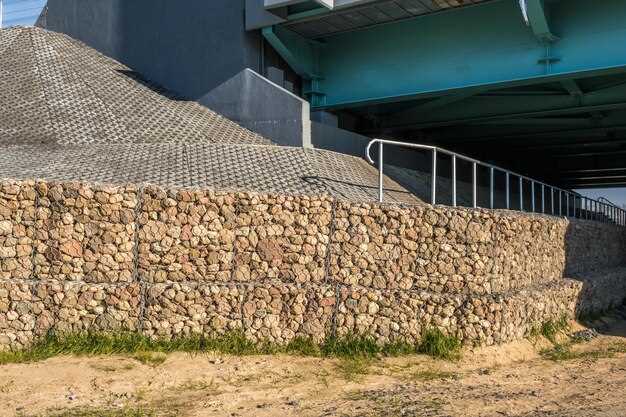
A built grade support structure holds soil in place where ground levels change. You usually see one where a yard drops off, along a driveway edge, or behind a garden bed that sits higher than the rest of the lot. The goal is simple. Keep earth stable and stop slow movement that causes cracks, tilting, or drainage trouble. In Calgary, freeze and thaw cycles push soil hard, so this type of build shows up often.
You might think these systems are only for large projects. That is not always true. Small installs matter too. A short run behind a patio can prevent sinking pavers. A low barrier near a fence can stop soil washout after heavy rain. I have seen minor grade changes cause years of repairs when ignored. Addressing the issue early usually costs less.
Most builds serve a few clear uses.
- Holding back soil on sloped lots
- Creating flat areas for patios or walkways
- Protecting foundations from shifting ground
- Managing surface water flow
Material choice affects lifespan and upkeep. Timber, concrete block, and poured concrete all behave differently over time. If you are curious about service life, this guide explains it in detail, how long do retaining walls last. Maintenance also matters. Wood builds need attention sooner, and repairs vary by damage type. This resource covers common fixes, how to fix a wood retaining wall.
At Sungreen Landscaping Inc, most conversations start with how you use your yard. Kids, pets, parking, drainage. Then the structure gets planned around that. There is no single layout that fits every property. Soil type, height, and water control all shape the final design. If ground movement keeps showing up on your lot, a well planned grade support build can bring some stability back.
Purpose of Grade Support Systems for Soil Control and Level Changes
Grade support systems exist to keep soil from shifting where ground heights differ. You see the need when earth slides after snow melt or when a slope slowly creeps toward a patio. These structures hold back pressure from soil and moisture. Without them, gravity usually wins. In Calgary, that process can move fast due to freeze and thaw cycles.
You might notice signs early. Cracks near walkways. Uneven lawn areas. Fence posts that no longer sit straight. These are small warnings. A properly built support system creates clear separation between high and low areas, giving soil a firm edge to rest against. That helps keep yards usable and reduces repeat repairs.
How These Structures Help on Sloped Properties
Sloped lots bring challenges that flat yards avoid. Water runs faster. Soil loosens easier. Support builds address both. They slow water movement and hold earth in place. This matters near foundations and driveways. It also matters for outdoor spaces you actually use. Steps, seating areas, and garden beds all benefit from level ground.
Many homeowners start by looking at broader yard planning. This often leads them toward services tied to landscaping and retaining walls. The structure becomes part of the layout, not an afterthought. Height, length, and drainage all get planned together.
If your property drops sharply, build method matters. Soil type and slope angle change the approach. This guide explains the process clearly, how to build a retaining wall on a slope. Reading it helps set realistic expectations before work begins.
At Sungreen Landscaping Inc, projects usually begin with a site visit. You talk through how water moves across your yard and where soil keeps shifting. Sometimes the solution feels obvious. Other times it takes a few adjustments. Either way, the goal stays the same. Keep ground stable and make the space easier to live with.
Common Grade Support Types Based on Material Choice and Build Method
There are several ways to hold soil in place, and the right option depends on height, ground pressure, and how the space gets used. Homeowners often ask for a simple breakdown. That helps set expectations early. Some builds suit small yard changes. Others handle heavier loads near driveways or homes.
Material Based Options You Will See Most Often
Material choice affects lifespan, upkeep, and appearance. It also changes cost and install time.
- Wood systems. Common in older yards. Lower upfront cost. Shorter service life. Moisture and ground contact lead to wear.
- Concrete block systems. Widely used today. Modular units stack with internal support. Good for medium to tall grade changes.
- Poured concrete structures. Solid and permanent. Often used where height or load is high. Requires more planning and forming.
- Natural stone builds. Chosen for appearance. Labour intensive. Works best at lower heights unless reinforced.
Structural Designs That Handle Soil Pressure
Design matters as much as material. A strong surface alone does not stop movement.
- Gravity builds rely on weight. Thicker bases keep them stable.
- Segmented block builds lock together and lean slightly into the soil.
- Anchored systems use tie backs or reinforcement extending into the slope.
In Calgary, soil conditions change by area. Clay content, drainage, and frost depth all affect the choice. At Sungreen Landscaping Inc, many projects start with one idea and shift after testing ground and grade. That adjustment saves problems later. You want a build that fits your yard, not one copied from another site.
Typical Residential Situations That Call for Grade Support Structures
Most homeowners do not plan for soil movement. It shows up slowly. One spring, part of the yard feels softer. The next year, stones shift or concrete cracks. Grade support structures usually enter the picture after these signs appear. They step in where gravity and moisture keep pushing ground out of place.
Sloped lots create the most common need. If your home sits higher than the street or drops toward the backyard, soil pressure builds over time. Rain and snow melt speed that up. Without a firm barrier, earth slides downhill. You may notice it along fence lines, near patios, or beside walkout basements.
Another frequent situation involves changes made to the property. Adding a driveway, leveling space for a patio, or cutting into a hill for a shed all disturb existing ground. The soil wants to return to its old shape. A built support keeps the new grade stable and reduces future repairs. I think this part often gets missed during planning.
Drainage problems also play a role. Water pooling near foundations or flowing too fast across a yard can wash soil away. Support builds slow that movement and give water a controlled path. This matters in Calgary where freeze and thaw cycles widen small gaps year after year.
You might also see the need near property lines. Shared slopes between neighbours cause tension when soil shifts onto the next lot. A properly designed structure creates a clear edge and protects both sides. That tends to calm things down.
If any of these situations sound familiar, it helps to look deeper before damage spreads. Many homeowners start by reviewing local examples or service options like . At Sungreen Landscaping Inc, these cases come up often. Each yard tells a different story, and the solution usually sits somewhere between simple and carefully planned.
Questions and answers:
Why would I need a soil support structure in my yard?
If your property has slopes or areas where soil tends to move after rain or snow melt, a built support can hold earth in place. It prevents erosion near patios, driveways, or garden beds. Even small height differences can cause soil to shift over time, which may lead to cracks, uneven surfaces, or water pooling. Installing a proper structure keeps your yard stable and reduces maintenance costs.
Which materials are best for building a soil-holding structure?
There are several material options. Wood is common for smaller or decorative installations but may require more maintenance. Concrete blocks stack easily and handle moderate height changes. Poured concrete provides the strongest solution, especially for taller structures or heavy loads. Stone is also an option if appearance is a priority, though it can be labor-intensive. The choice depends on slope height, soil type, and how you plan to use the space.
How high can a home soil support structure safely be built?
Height depends on the material and structural design. Small timber or stone builds often work well up to about 3 feet. Concrete block or poured concrete systems can handle 4 to 6 feet or more, but they may require reinforcement or proper drainage behind the structure. Local building codes can also set limits, so checking with city regulations or a contractor is recommended.
Do I need to consider drainage when installing one of these structures?
Yes, drainage is critical. Water trapped behind a structure increases pressure and can cause failure over time. Most builds include gravel backfill and sometimes perforated pipes to channel water away. Even moderate rainfall can push soil against the structure, so proper drainage extends its life and keeps nearby surfaces safe.
Can I install a soil-holding structure myself, or should I hire a contractor?
Smaller, low-height projects might be doable if you have basic tools and some experience with digging and leveling. However, taller or more complex slopes usually benefit from professional installation. Contractors assess soil type, slope, and drainage, and they can handle permits if needed. Improper installation can lead to failure, which may cost much more to fix than hiring skilled help upfront.
How do I know if my property needs a soil support structure?
If you notice soil slipping after rain, uneven patches forming in your yard, or cracks near patios and driveways, these are clear signs that earth is moving. Properties with slopes or cut areas are especially prone to this. Installing a support structure helps prevent further shifting and protects hard surfaces and foundations. Even small height differences can cause problems over time, so early assessment can save money and hassle later.
Which factors should I consider when choosing the type of soil-holding structure?
Several things influence the choice. First, the height and load of the soil matter; higher slopes or heavy pressure may need concrete or reinforced designs. Second, material affects durability and maintenance. Timber is easier to install but may not last as long, while stone or concrete provides long-term stability. Drainage is also important because trapped water increases pressure behind the structure. Lastly, your budget and how the space will be used play a role. Consulting with an experienced contractor can help match the right approach to your property.