



Can you paint retaining wall blocks

I get asked a lot if those stacked concrete units in a tiered bed or raised edge can be recoloured, sealed, or coated so they look cleaner and more “finished.” The short answer is yes, but the long answer is the part that saves headaches. Calgary freeze-thaw, de-icing salts, sprinklers hitting the same spot all summer, and soil staying damp behind the face all change what products survive and what flakes off by next spring. Before we talk coatings, it helps to get clear on what is a retaining wall, because a structure that is holding back soil is a different animal than a simple garden border.
Most coating failures I see are not about the product at all, they are about prep and moisture. Someone rinses the face, rolls on a nice colour, and it looks great for a month. Then the first wet spell hits, water migrates through the concrete, and the finish starts to bubble or peel from the bottom courses up. I have seen it on brand new installs and on older ones that were perfectly fine until the coating trapped moisture. If your structure is close to a neighbour, there is also the boundary question and it can get awkward fast, so it is smart to read can you build a retaining wall on the property line and sort that part out before spending money on cosmetics.
There is also the design side. Some units take colour better than others, and sometimes the nicer move is not coating at all, it is choosing a face texture and cap that already looks intentional. We have been building outdoor spaces since 1990 at Sungreen Landscaping Inc in Calgary, and I have watched trends come and go, but a clean build with the right materials always ages better than a quick cover-up. If you are still in planning mode, take a look at how to build a decorative retaining wall because the “decorative” details are usually decided before the first shovel goes in, not after everything is set.
Money is part of it too, most of the time. People ask about recolouring because replacing the units sounds expensive, and sometimes it is. Still, a coating job that fails can cost twice when you pay for stripping and redoing it, or when you end up rebuilding a section that started to spall. If budget is driving the decision, it helps to compare options realistically, and this guide on what is the cheapest retaining wall to build gives a decent starting point for that thinking. If you want us to look at your site conditions, we do free consultations and 2D design samples, and you can reach the office at (403) 256-7500. We also warranty our work, which matters when the weather decides to test everything.
Colouring Concrete Garden Courses: What Works and What Fails
Yes, a concrete garden course can take colour, and I have seen it look clean and sharp when it is done with the right prep, not rushed on a sunny Saturday. The catch is that these stacked systems are basically big sponges, so if there is moisture or salts moving through them, the finish can blotch or peel and then it looks worse than the original grey. If the structure is leaning, cracked, or bulging, no coating fixes that. Get the build right first, like in this guide on how to build a stone retaining wall.
Here is the jobsite version of prep, the part homeowners skip and then call us after the first winter. I am Greg at Sungreen Landscaping Inc in Calgary, and we have been building outdoor living spaces since 1990, so I have watched a lot of “quick refresh” ideas turn into a full rebuild. A sound surface needs to be dry, clean, and stable, and that means washing, scrubbing, and waiting for weather, not just spraying colour and hoping.
What I look for before adding a finish
- White powdery residue (efflorescence). If it is active, the coating will struggle to bond.
- Loose sanded joints or flaking faces. Those need repair first.
- Drainage behind the structure. No drain rock, no filter cloth, no perforated pipe usually means trouble later.
- Cap units. If the top is not sealed down properly, water gets in and freeze-thaw does the rest.
Material matters too. Some segmental units accept stain better than a thick film coating, and textured faces hide wear longer than smooth ones. If you are still in the planning stage and selecting units, we get asked about colour options all the time on projects that use retaining wall blocks in Calgary, and I usually steer people toward integral colour or a compatible masonry stain, because it fades gradually instead of peeling in sheets.
One more angle people forget is liability and damage. If a vehicle bumps the structure, or a big rain event causes a failure, the question becomes what coverage applies and what does not, and finishes can hide warning signs until the problem is bigger. Have a look at do homeowners insurance cover retaining wall if you are trying to figure out where you stand, and if your structure is over four feet, treat it like a real piece of construction. At Sungreen we pull City of Calgary permits and bring an engineer in for the tall ones, and we do free consultations with 2D design samples, so if you want us to look at the site, call (403) 256-7500 or check our work on retaining walls in Calgary.
Which Segmental Unit Materials Take Colour Well (Concrete, CMU, Split-Face) and Which Shouldn’t
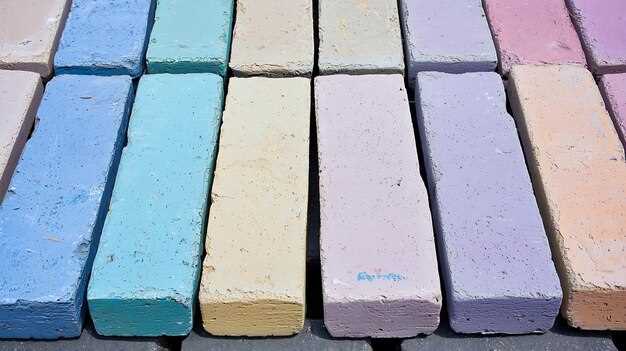
Standard concrete segmental units are the easiest to recolour, mostly because the face is consistent and the pores are predictable. We have had good results on older installs where the surface has weathered a bit, as long as it gets cleaned properly and the joints are not crumbling. CMU (the plain grey concrete masonry unit) also takes a coating well, but only if the cells and mortar joints are sound and dry, otherwise moisture pushes from the inside and the finish goes blotchy or starts peeling. Around Calgary, freeze-thaw makes that moisture issue show up fast, so if there’s any chance water is trapped behind the structure, I’d fix drainage first and worry about colour second. That’s the part homeowners like to skip, most of the time, at least.
Split-face concrete units are the tricky middle ground. They accept a new finish, sure, but the rough, fractured texture drinks product unevenly and highlights every missed spot, so the look can turn “patchy” in a hurry. I’ve seen jobs where the high points look dusty while the low points go darker, and it’s not always a prep problem, it’s just the profile of the face. If the goal is a uniform, modern look, split-face is the one where I pause and ask what result you’re expecting, because the texture is going to stay the star of the show no matter what colour gets added.
Units with integral colour, heavy water-repellent sealers, or a glossy/very dense face are the ones I’d avoid coating altogether, because adhesion becomes a gamble and repairs never blend in later. If you’re not sure what material you’ve got, Sungreen can take a look during a free consult and tell you straight if it’s a good candidate or a future flake-and-chip mess; we’ve been building outdoor spaces since 1990, so we’ve seen most versions of this go sideways at least once.
Questions and answers:
Can I paint retaining wall blocks, or will the paint peel off after one season?
You can paint retaining wall blocks, but peeling usually happens when moisture is trapped under the coating or the surface isn’t clean and porous enough. Concrete and segmental blocks soak up water; if you seal that moisture in, the coating can blister and flake. The best results come from: washing off dirt, algae, and chalky residue; letting the wall dry for several days; repairing cracks; then using a masonry primer made for concrete followed by a breathable masonry paint. Also check for drainage issues behind the wall—constant dampness is the main reason coatings fail.
What kind of paint should I use on concrete retaining wall blocks—latex, masonry paint, or stain?
Use a coating labeled for masonry/concrete. Acrylic masonry paint is common because it bonds well and handles weathering better than standard interior latex. If you want the block texture and color variation to show through, a concrete stain (water-based or solvent-based) is a better choice than opaque paint. Avoid regular exterior house paint that isn’t rated for concrete, and avoid non-breathable coatings on walls that stay damp.
Do I need to seal the blocks before painting?
Usually you don’t “seal” first—you prime. A masonry primer is designed to penetrate and bind dusty concrete, giving the topcoat something stable to grip. A typical clear sealer can reduce adhesion and lead to peeling. If the blocks were already sealed in the past, you may need a bonding primer made for slick or previously coated masonry, and you should test a small area first to confirm it sticks after drying.
How do I prep retaining wall blocks that have white powder (efflorescence) and green algae?
Efflorescence and algae both interfere with adhesion, so remove them before any primer or paint. Scrub the wall with a stiff nylon brush and a masonry-safe cleaner; for algae, a diluted bleach solution (following the product label) works well, then rinse thoroughly. Efflorescence often needs repeated dry brushing plus a cleaner made for mineral deposits. After cleaning, let the wall dry completely—often 48–72 hours in warm, dry weather, longer if the wall faces shade or stays damp. If the white powder keeps returning, address the water source (drainage, downspouts, or seepage) before coating.
Can I paint just the front faces of the blocks, and how long should I expect it to last?
Painting only the exposed faces is normal and can look neat, but durability depends on sun exposure, water exposure, and the product you choose. On a relatively dry wall, a good masonry primer plus two coats of masonry paint can hold up for several years. On walls that get frequent splashback or stay wet after rain, expect more touch-ups and possible peeling near the bottom courses. Keep paint off cap gaps and weep areas so moisture can escape, and plan on occasional cleaning and spot repairs to extend the finish.
Can you paint retaining wall blocks, and what’s the best way to keep the paint from peeling?
Yes—most concrete retaining wall blocks can be painted, but longevity depends on moisture control and surface prep. Painted block is more likely to fail when water pushes salts through the concrete (efflorescence) or when damp blocks are sealed with the wrong coating.


