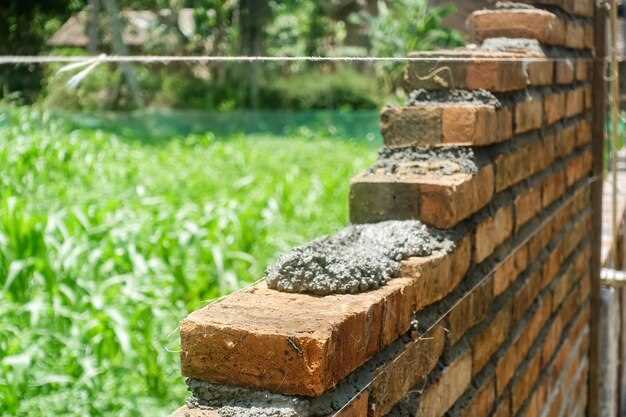

What are the 4 types of retaining walls
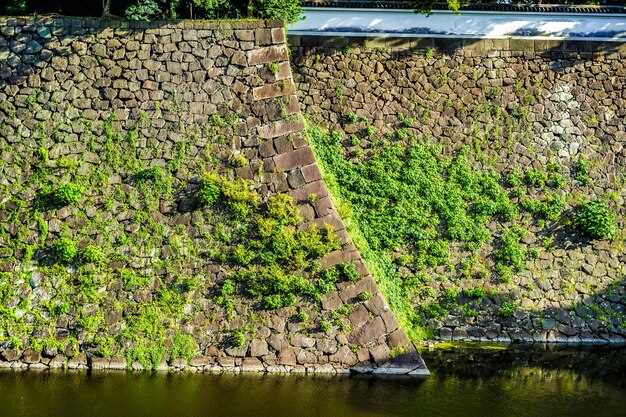
Honestly, most people look at a sloped yard and think one solid barrier is pretty much same as another. Then excavation begins, soil starts moving, water shows up after a hard rain, and you find out pretty fast that one build method can suit a site while another one can be a bad fit. I have seen that on Calgary jobs more times than I can count. A nice-looking install is one thing. A structure that holds grade, drains properly, and still looks straight a few winters later is something else.
This article goes through four common structural options you will see in residential and commercial work, and why each one suits a different set of site conditions. Some work well for small garden level changes. Some suit taller grade support where engineering matters a lot more. If you have been reading up on how to build a retaining wall, this is a good next step because build steps only make sense once you know which system belongs on your property.
At Sungreen, we have been building outdoor spaces since 1990, and this part of a project gets underestimated all the time. People pick block colour first, then ask about base prep and drainage later. I get why, you see finish material every day. But hidden work is usually where success or failure starts. For taller grade-holding structures above 4 feet, we pull City of Calgary permits and work with an engineer, because guessing on soil pressure is a bad way to save money. Well, usually anyway.
If you are still early in planning, can help you sort out site slope, access, drainage, and which solution makes sense before construction starts. We do free consultations and 2D design samples, and every completed project comes with a signed warranty plus a dedicated warranty rep. That stuff matters more than people think, especially after a freeze-thaw season or two.
Four Main Systems for Holding Back Grade
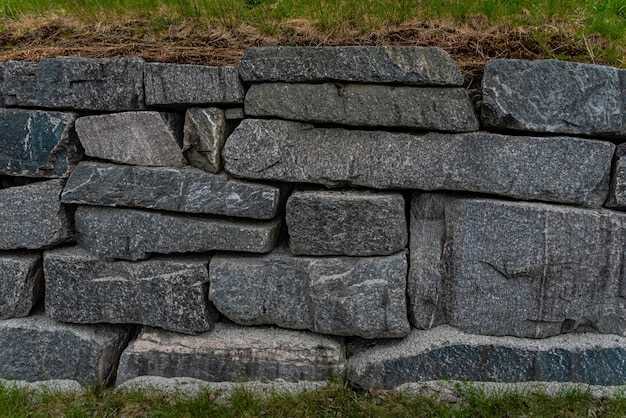
On most Calgary jobs, you really see four common systems holding soil in place: gravity builds, cantilever concrete, sheet piling, and anchored assemblies. Gravity builds rely on mass, so big block, stone, or concrete units resist pressure by being heavy enough to stay put. Cantilever concrete uses a footing and a vertical stem, thinner than a gravity setup but engineered to transfer load into soil below. Sheet piling is more common where space is tight or excavation conditions get awkward, with steel, vinyl, or timber sections driven into ground. Anchored assemblies add tie-backs or deadmen for extra support where a simple face alone will not cut it. Homeowners sometimes think one option fits every yard. It really does not. Slope, drainage, height, frost, access for equipment, and whatever you plan nearby all change the right answer. If you are wondering can you build a pool next to a retaining wall, that is exactly where wall choice stops being just a visual decision and turns into an engineering one pretty fast.
Block-based gravity systems end up being a favourite for residential work because they can look good and handle grade change well, provided base prep and drainage behind them are done properly, which, honestly, is where plenty of failures begin. Poured concrete cantilever structures suit taller applications and tighter footprints, but they need solid design and clean forming or they look rough forever. Sheet piling has its place, mostly for constrained sites, soft ground, or commercial-style applications, not something every homeowner wants in a backyard unless function matters more than appearance. Anchored versions come up on demanding sites where surcharge loads, steep banks, or nearby structures push things past a basic build. We have been doing this at Sungreen since 1990, and for anything over four feet we pull City of Calgary permits and work with an engineer because guessing on structural work is a bad habit, full stop. Sometimes you can also combine grade control with access, which is why people ask about how to build steps stairs with retaining wall blocks. That works well, but only if dimensions, compaction, and drainage all line up from day one. Most of the time, at least.
| System | Best Use | Main Material | Key Limitation |
|---|---|---|---|
| Gravity | Residential grade change | Segmental block, stone, concrete | Needs space and proper base |
| Cantilever | Taller support with less thickness | Reinforced concrete | Requires engineering and forming |
| Sheet Piling | Tight sites or weak soils | Steel, vinyl, timber | Less attractive for many yards |
| Anchored | Heavy loads and demanding slopes | Concrete, steel, tie-backs | Higher complexity and cost |
Gravity Structures: Where Sheer Mass Does the Work and How Wide the Footing Should Be
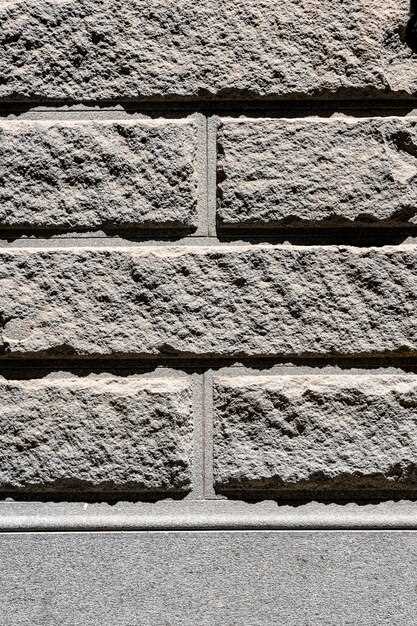
Gravity systems rely on one simple idea. Mass resists soil pressure. No tiebacks, no fancy reinforcement doing most of the heavy lifting, just a solid body pushing back by being heavy enough and set on a broad enough footing. You see these in concrete, large block, natural stone, and old-school boulder builds. They make sense on sites where height stays moderate, access for bigger material is possible, and you have room at the bottom for a thicker section. That last part matters more than people think. A lot of homeowners want a slim face because it looks cleaner. Soil does not care about clean lines. It pushes all the same.
Where this approach works best is lower to mid-height grade holding, garden terraces, edge support by driveways, and yard reshaping where there is enough footprint to spread the load. Most of the time, at least. Once you get into taller builds, especially above 4 feet here in Calgary, details change fast. At Sungreen we pull City permits for anything over that mark and bring in an engineer, because guessing on base size is how you end up paying twice. If you have ever wondered how much does it cost to repair a retaining wall, the short answer is more than people expect, especially after frost, bad drainage, and movement have all had a year or two to make things worse.
How wide should the base be
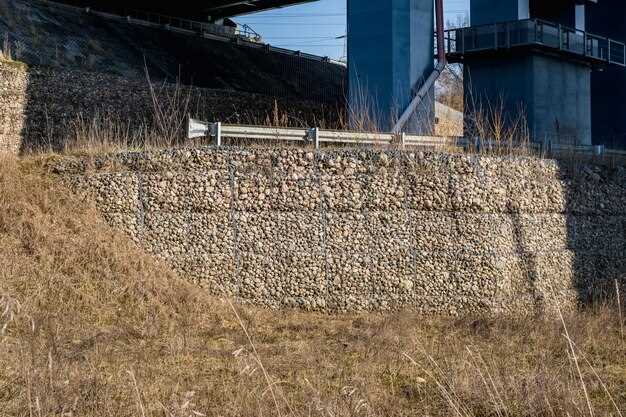
A common rule used on site is base width at about 50 to 70 percent of total face height for a gravity build. Not always exactly that, and I would not treat it like gospel, but it is a decent field range for understanding the proportions. So if your grade hold is 900 mm tall, you may be looking at a footing or wall base somewhere around 450 to 630 mm wide. Taller loads, weak native soil, surcharge from a parked vehicle, or a slope above the structure can all push that number upward. Boulder jobs often need even more width than homeowners expect because round stone does not stack with the same clean bearing surface as cut block. I have seen people buy beautiful stone, then try to save six inches at the bottom. That six inches is usually the part trying to save the whole thing.
There is also buried depth to think about, not just width. In our climate, frost is part of every conversation whether you want it there or not. A heavy masonry unit sitting on poorly prepared ground can still tilt if freeze-thaw cycles get under it. So the footing zone needs compacted granular material, proper levelling, and drainage behind the face so water does not build hydrostatic pressure. That pressure is where a lot of failures begin. The structure might be heavy enough on paper, then water adds extra force from behind and now paper means nothing. Well, usually anyway.
Cases where this method makes good sense
- Low garden terraces where appearance matters and there is space for thickness.
- Natural stone or boulder installs that suit a more rustic yard layout.
- Sites with decent access for equipment and material placement.
- Projects where you want durability without relying on geogrid for a small build.
- Decorative front or side yard grade changes, especially if you are also planning steps, patios, or planting beds. If that is your direction, this guide on how to build a decorative retaining wall lines up well with the aesthetic side, though structure still comes first.
One thing that gets missed a lot is surcharge load. That is just extra weight near the top edge. A fence, a hot tub pad, a parked half-ton, a garage apron, a shed full of junk nobody has touched in eight years. All of that changes the design. So does clay. So does a wet site. So does a downhill slope in front. This is why broad rules help you picture the build, but they do not replace a proper plan. Since 1990 we have been building outdoor spaces around Calgary and Rocky View County, and the jobs that stay straight tend to have one thing in common. Somebody respected the base dimensions early instead of trying to cheat them later.
If you are looking at a gravity-style build for your yard, think in section, not just in face stone. Ask how wide the bottom will be, how the drain rock is handled, where the water exits, and whether the height triggers engineering. Sungreen handles design and full construction from our shop at 232043 Range Rd 283, Rocky View County, and every project includes a free consultation, 2D design samples, and a signed warranty with a dedicated warranty rep. You can call us at (403) 256-7500 if you want us to look at the slope before it turns into a repair job. That is usually the cheaper moment to make the call.
Q&A:
What are the 4 main types of retaining walls, and how are they different from each other?
The four common types are gravity walls, cantilever walls, sheet pile walls, and anchored walls. A gravity wall holds back soil mainly through its own weight. These walls are often made from concrete, stone, or large modular blocks, and they work well for lower to medium-height applications where there is enough space for a thicker base. A cantilever wall is usually built from reinforced concrete and uses a base slab with a vertical stem. Instead of relying only on mass, it uses structural action to resist soil pressure, which makes it a common choice for taller walls than a simple gravity design. A sheet pile wall is made from thin sections, often steel, vinyl, or timber, driven into the ground. It is often used where space is limited or where the wall must be installed in soft soils and near water. An anchored wall includes cables or rods tied back into the soil or rock behind the wall, adding extra resistance. This type is selected when higher loads must be held and a thinner wall face is preferred. The main difference between these four options is how they resist the pressure of the soil behind them.
Which type of retaining wall is usually best for a residential yard with a slope?
For many residential yards, a gravity wall is the most practical option, especially for short to moderate slopes. Segmental concrete block walls and natural stone gravity walls are popular because they are visually appealing, relatively straightforward to build for smaller heights, and do not always require a heavily reinforced concrete structure. If the wall needs to be taller, carries a driveway, or supports a structure nearby, a cantilever wall may be more suitable because it can handle greater loads with a thinner profile. The best choice depends on wall height, soil type, drainage, available space at the base, and local building rules. Water behind the wall is a major issue, so drainage pipe, gravel backfill, and filter fabric are often just as important as the wall type itself. For a yard project, many homeowners focus on appearance first, but stability, drainage, and soil conditions should guide the decision.
Why would someone choose an anchored retaining wall instead of a gravity or cantilever wall?
An anchored retaining wall is often chosen when the wall must hold back a large amount of soil but there is not enough room to build a wide base. This can happen on tight construction sites, near roads, or in places where excavation behind or below the wall is limited. Anchors, also called tiebacks, are installed into stable soil or rock behind the wall and help resist the lateral pressure pushing forward. This added support allows the wall face to remain thinner than a gravity wall and can reduce the size of exposed structural elements compared with some cantilever designs. Anchored systems are also used when surcharge loads are high, such as nearby buildings, parking areas, or heavy traffic. However, they usually require careful engineering, specialized installation, and confirmation that the anchor zone does not extend into adjacent property or underground utilities. They are less common for simple backyard walls and more common in demanding site conditions.
Are sheet pile retaining walls only used for waterfront projects, or can they be used on regular construction sites too?
Sheet pile retaining walls are strongly associated with waterfront work because they perform well in soft ground and can be installed to limit soil movement near water. Still, they are not limited to marine settings. They are also used on regular construction sites for excavations, basements, trenches, road widening, and temporary support systems where there is very little room for a thick wall. Steel sheet piles are common because they can be driven deep and provide good strength, while vinyl and timber may be used in lighter-duty situations. Their suitability depends on soil conditions: they tend to work better in softer soils than in very dense soils with many obstructions. For permanent retaining structures, corrosion protection, expected service life, drainage, and appearance all matter. So while many people picture sheet piles along shorelines or riverbanks, they are also a practical choice for urban and commercial projects where a narrow wall system is needed.